







What's Happening?
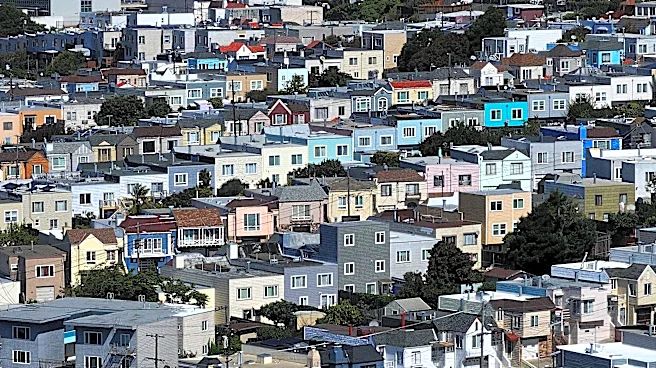
JPMorgan Chase's inaugural Community Outlook survey for the San Francisco Bay Area indicates that 71% of residents find housing unaffordable, significantly impacting their ability to achieve homeownership, which many consider central to the American Dream.
The survey, conducted by Morning Consult between August 24 and September 11, 2026, among 602 Bay Area residents, highlights that 69% of renters spend 30% or more of their monthly income on rent. This financial strain is causing 38% of residents to consider moving out of the area due to the high cost of living. Despite these challenges, financial aspirations remain strong, with 57% agreeing that homeownership is crucial for financial stability. Residents are adjusting their spending habits, with 54% cutting back on dining out, 46% on entertainment, and 40% on travel in the past three months. Groceries saw the most significant spending increase, reported by 39% of respondents over the past year.
Why It's Important?
The findings from JPMorgan Chase's survey underscore a critical economic and social challenge in one of the nation's most dynamic regions. The widespread housing unaffordability in the San Francisco Bay Area threatens the long-term economic stability and growth of the region by potentially driving out essential workforce populations. This situation impacts various sectors, from local businesses struggling to retain employees to the broader economy facing reduced consumer spending on non-essential goods and services. The survey also reveals a significant concern for financial security, with 47% prioritizing peace of mind and financial security, followed by retirement savings (36%) and emergency funds (25%). This indicates a shift in financial priorities towards basic stability rather than wealth accumulation, which could have long-term implications for investment and economic development in the region. The high incidence of financial problems like identity theft and scams (60% of respondents) further exacerbates financial insecurity among residents.
What's Next?
In response to these findings, JPMorgan Chase, through its American Dream Initiative, plans to continue its multi-year effort to expand local economic opportunity in the Bay Area. This initiative focuses on advancing small business growth, increasing affordable housing options, improving financial health through education, helping residents secure stable employment, expanding access to quality healthcare, and strengthening local institutions. The firm has already provided over $60 million in philanthropic support to the Bay Area since 2021. Community managers like Jenny Baltodano are tasked with connecting residents to free workshops and practical tools to enhance financial resilience. The ongoing focus will likely involve collaborations between financial institutions, local government, and community organizations to develop practical solutions for housing affordability and financial literacy, aiming to mitigate the pressures identified in the survey and foster greater economic opportunity for residents.
Beyond the Headlines
The persistent housing crisis in the San Francisco Bay Area, as highlighted by JPMorgan Chase's survey, points to deeper systemic issues beyond mere market dynamics. It raises questions about urban planning, zoning regulations, and the balance between economic growth and social equity. The erosion of attainable homeownership for a majority of residents could lead to significant demographic shifts, potentially altering the social fabric and economic diversity of the region. Furthermore, the survey's emphasis on financial security and the prevalence of scams suggest a broader vulnerability among the population, necessitating more robust consumer protection measures and financial education initiatives. The long-term implications could include a decline in community engagement and civic participation as residents struggle with basic living costs, potentially impacting the region's innovative spirit and overall quality of life. Addressing these issues requires a comprehensive approach that integrates economic policy with social welfare and urban development strategies.