



What's Happening?
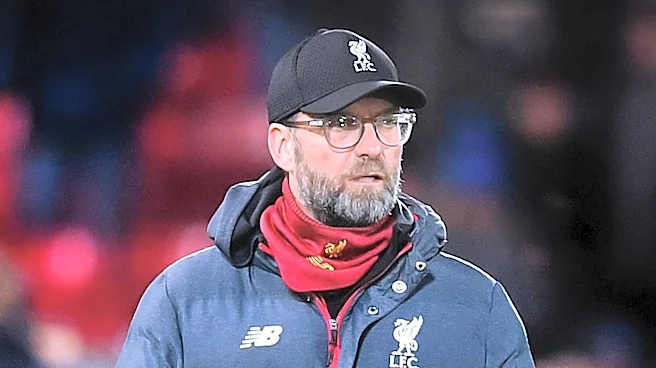
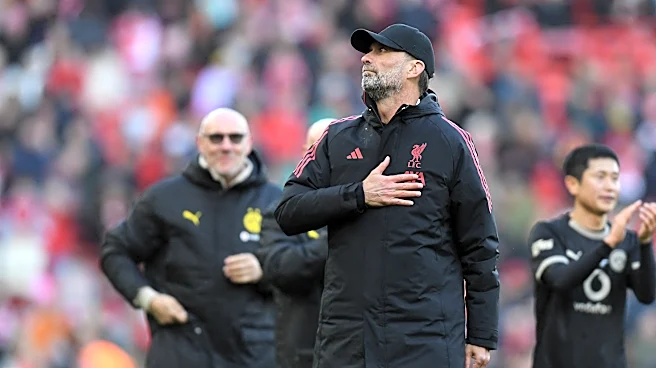
John W. Henry, the owner of Fenway Sports Group (FSG) and Liverpool Football Club, articulated a clear vision for the club upon the appointment of Jürgen Klopp as manager. Henry stated that Klopp's arrival was about "a new way of playing football, a new way of living
football." This statement highlighted a strategic shift for Liverpool, moving towards a distinct and energetic style of play known as 'Gegenpressing,' which emphasizes immediate ball recovery and rapid, vertical attacks. Klopp's tenure, which began in October 2015, aimed to revitalize a squad that was struggling and to reconnect with a fanbase eager for a return to greatness. His approach required intense physical conditioning and tactical cohesion, fundamentally altering the club's identity and performance on the field.
Why It's Important?
This strategic decision by John W. Henry and FSG to bring in Jürgen Klopp and embrace a new footballing philosophy is highly significant for U.S. sports ownership in several ways. It demonstrates a willingness to invest in a long-term vision that prioritizes a specific playing style and cultural transformation over short-term fixes. For U.S. investors in global sports, this approach can serve as a model for how to successfully integrate a distinct management philosophy to achieve both on-field success and a strong brand identity. Klopp's subsequent achievements, including multiple Premier League titles and Champions League victories, validated Henry's initial vision, showcasing the potential for substantial returns on strategic managerial appointments. This success also enhances the global reputation of FSG as a competent and forward-thinking sports ownership group, potentially attracting further investment opportunities and talent to their various sports ventures, including those in the U.S. The emphasis on 'a new way of living football' also speaks to the importance of cultural alignment and fan engagement, critical elements for any successful sports enterprise.
What's Next?
With Jürgen Klopp's departure in 2024, Liverpool is now at a pivotal juncture, seeking a new manager to continue the club's ambitious project. The challenge for FSG and John W. Henry will be to find a successor who can maintain the high standards and distinct philosophy established under Klopp, while also evolving the team for future success. This transition will test FSG's ability to replicate their previous successful managerial appointment and ensure continuity in the club's strategic direction. The decision will have significant implications for Liverpool's competitive standing in both domestic and European competitions, and by extension, for the value and prestige of FSG's investment. The process will be closely watched by other U.S. owners of international sports teams, as it will offer insights into managing leadership transitions in high-stakes global sports environments.
Beyond the Headlines
The 'new way of living football' articulated by John W. Henry goes beyond mere tactics; it encapsulates a broader cultural and emotional re-engagement with the sport. This vision highlights the understanding that successful sports ownership involves not just financial management but also fostering a deep connection with the club's history, community, and fan base. For U.S. sports organizations, this demonstrates the value of integrating a holistic approach that considers the emotional and cultural aspects of a team, alongside its financial and athletic performance. The legacy of Klopp's era, initiated by Henry's vision, will likely influence future managerial appointments and strategic planning across FSG's portfolio, emphasizing the importance of charismatic leadership and a clear, unifying philosophy. This approach can lead to sustained success and a stronger, more resilient brand, proving that a deep understanding of the sport's intrinsic values can yield significant long-term benefits.