




What's Happening?
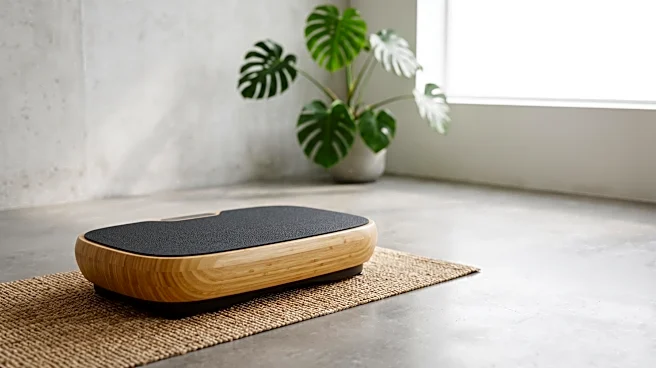
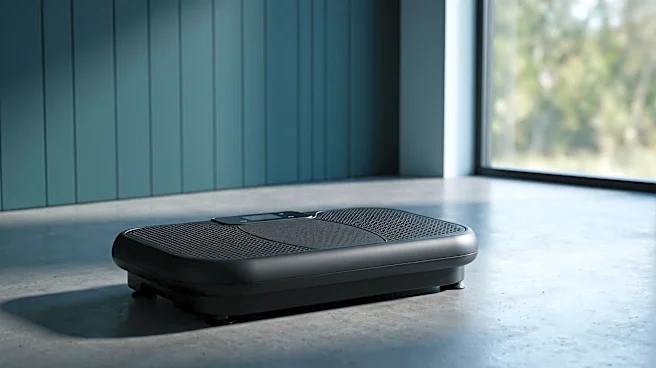
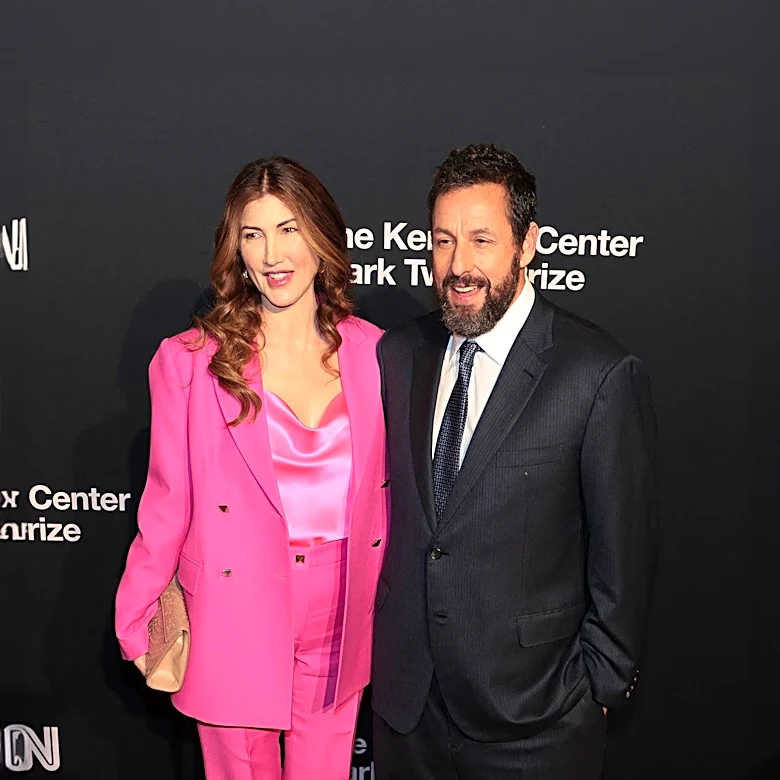
Gabby Windey, former 'Bachelorette' star, recently revealed she broke her back in a 'freak accident' involving a vibration plate. Windey, 35, detailed the incident on Instagram and in a Substack essay titled 'Broke back, no mountain.' She explained that
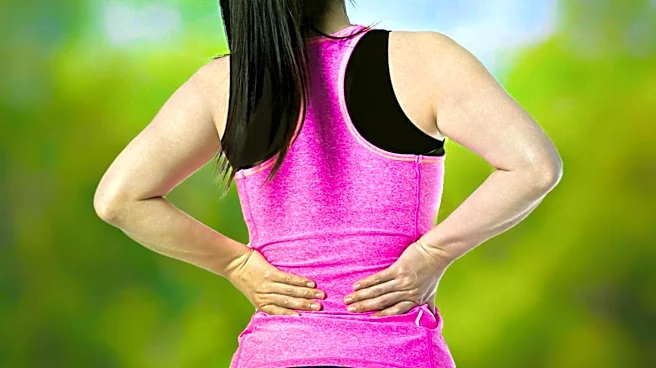
she was using the fitness device at 'level 30, supersonic speed' when her vertebrae turned crooked and rubbed against each other, causing a small piece to break off due to friction. The injury has resulted in paresthesia, a nerve sensation characterized by tingling, numbness, or 'pins and needles,' which she described as 'tormenting.' Windey shared hospital selfies and emphasized the debilitating nature of her affliction, stating it is an 'extremely acceptable reason to call out of work.' She also humorously attributed the accident to societal 'beauty standards' and the pressure for 'self-love and care,' suggesting one must 'vibrate until one’s vertebrae chops off.'
Why It's Important?
This incident highlights potential risks associated with fitness equipment, particularly when used at extreme settings. While vibration plates are marketed for muscle stimulation, strength, flexibility, and circulation improvement, Windey's experience underscores the importance of adhering to manufacturer guidelines and understanding the physical limits of such devices. For consumers, it serves as a cautionary tale about the potential for severe injury, even from seemingly innocuous exercise tools. For the fitness industry, it may prompt a reevaluation of safety warnings, user instructions, and perhaps even the design of high-intensity settings on such equipment. The widespread use of home fitness devices means that incidents like this, especially involving public figures, can draw significant attention to product safety and user responsibility, potentially influencing consumer behavior and regulatory scrutiny.
What's Next?
Following her injury, Gabby Windey will likely continue her recovery process, managing the paresthesia and other symptoms. Her public sharing of this experience could lead to increased awareness among users of vibration plates and similar fitness equipment about the importance of safe usage. It might also encourage manufacturers to review and potentially enhance safety warnings and usage instructions for their products. There could be a broader discussion within the fitness community and among health professionals regarding the appropriate and safe application of high-intensity vibration therapy. Individuals considering or currently using such devices may become more cautious, seeking professional advice or strictly adhering to lower intensity settings to prevent similar injuries.
Beyond the Headlines
Beyond the immediate physical injury, Windey's candid account touches upon broader societal pressures related to fitness and body image. Her sarcastic remark about 'beauty standards' and 'self-love and care' contributing to her injury suggests a critique of the relentless pursuit of physical perfection, which can lead individuals to push their bodies to dangerous limits. This incident could spark a wider conversation about the psychological aspects of fitness culture, the influence of social media on self-perception, and the potential for harm when individuals prioritize extreme methods over safe and sustainable health practices. It also raises questions about the responsibility of influencers and public figures in promoting fitness trends, even inadvertently, and the need for a balanced approach to health and wellness that prioritizes safety over intensity.