




What's Happening?
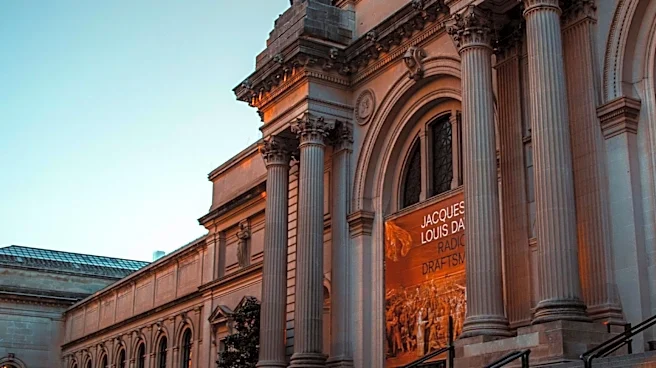
Fundacion Sansó, in collaboration with the National Museum of Fine Arts, is hosting 'SANSÓ: Pusong Pilipino,' a major retrospective exhibition featuring nearly 100 works by the late Spanish-born modernist artist Juvenal Sansó. The exhibition spans over
seven decades of Sansó's career, showcasing his formative years, wartime experiences, and his profound connection to the Philippines, which shaped his distinct visual language. Curator and Fundacion Sansó Director Ricky Francisco curated the retrospective, which avoids a strict chronological layout. Instead, it highlights how Philippine imagery and memory anchored Sansó's global career, even as he achieved international acclaim in Europe and North America. The exhibit includes works from his 1940s student art to his late-2000s Moderno pieces, as well as fashion, textile, and costume designs. A key revelation of the exhibit is the influence of his early Philippine Baklad (fishtrap) series on his later landscapes in Brittany, France. The exhibition also features examples from his early figurative period, works produced during and after his years in Europe, celebrated landscapes and seascapes, floral compositions, prints, collagraphs, and later paintings.
Why It's Important?
This exhibition is important for several reasons, particularly in the context of cultural preservation and artistic legacy. It underscores the deep and enduring connection between an internationally recognized artist and his adopted home, the Philippines. By showcasing how Philippine imagery and memory influenced Sansó's global career, the retrospective highlights the significant role of cultural identity in artistic expression. The donation of several key works by Fundacion Sansó to the National Museum's permanent collection, including rare dry brush drawings, etchings, and pieces from his Baklad, Brittany, and Floral series, significantly broadens the museum's holdings in printmaking and paper works. This act of philanthropy ensures that Sansó's artistic heritage remains accessible to the public and contributes to the national art collection. Furthermore, Fundacion Sansó's ongoing self-funded initiatives, such as art scholarships, thesis production grants, art therapy programs, and curator/artist development, demonstrate a commitment to nurturing future generations of Filipino artists and supporting the broader art community. These efforts help to sustain the legacy of art beyond mere preservation, fostering new talent and promoting art as a tool for social good.
What's Next?
The 'SANSÓ: Pusong Pilipino' exhibition will continue to be a focal point for art enthusiasts and the public, offering a comprehensive look into Juvenal Sansó's artistic journey and his deep affection for the Philippines. Beyond the duration of the exhibition, the works donated to the National Museum's permanent collection will remain accessible, enriching the national artistic heritage for years to come. Fundacion Sansó is expected to continue its various self-funded initiatives, including providing art scholarships to students from institutions like Bulacan State University, UP Diliman, and FEU. These programs, which include high-grade materials, thesis grants, and a dedicated Scholars Gallery where student-artists receive 100% of their sales proceeds, will continue to support the development of emerging Filipino artists. The foundation will also likely persist in financing travel and research grants, supporting artist estates through the ICAre program, and running art therapy for pediatric cancer patients via the Embrace Project. These ongoing efforts will ensure that Sansó's legacy extends beyond his artwork, actively contributing to the growth and well-being of the Philippine art community and society.
Beyond the Headlines
The 'SANSÓ: Pusong Pilipino' exhibition delves deeper than a mere display of art; it explores the profound concept of belonging and identity, framing Sansó not by legal citizenship but by his unwavering devotion to the Philippines. This narrative challenges conventional notions of nationality, emphasizing how an artist can earn international renown yet deliberately choose to invest his life's work, resources, and legacy into building the future of another nation's art. The exhibition highlights the ethical dimension of artistic patronage and legacy, as Fundacion Sansó actively supports art education, therapy, and artist development, demonstrating a commitment to societal enrichment through art. This approach fosters a cultural shift where art is not just appreciated for its aesthetic value but also recognized as a powerful tool for social change and community building. The emphasis on how Sansó's early Philippine experiences influenced his globally recognized landscapes also underscores the universal theme of roots and their indelible impact on creative expression, suggesting that true artistic identity often stems from deeply personal and cultural connections, regardless of where an artist achieves fame.