

What's Happening?
Effective organization in small spaces involves repurposing everyday items and strategically utilizing storage to prevent clutter. Key strategies include using high or less accessible storage for infrequently used items, while easily reachable areas are reserved
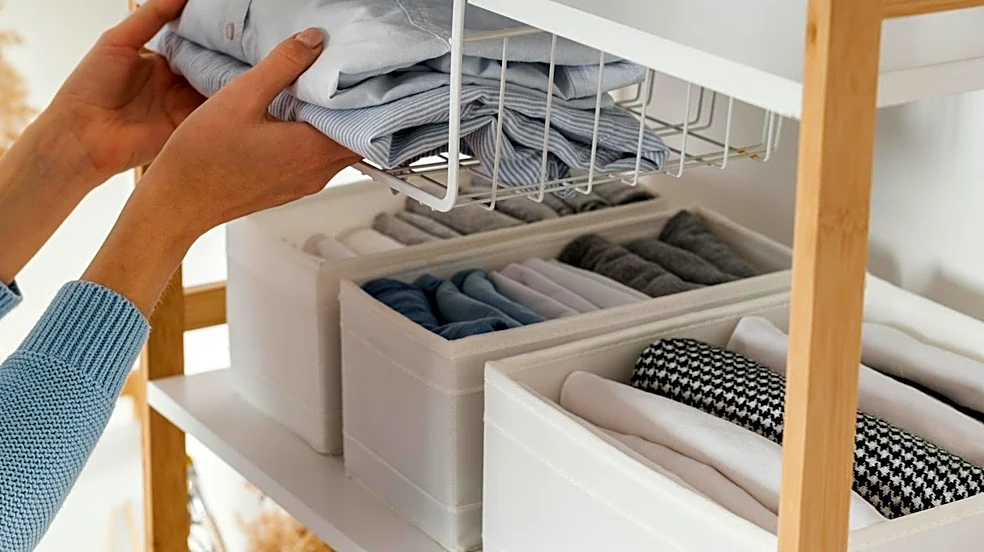
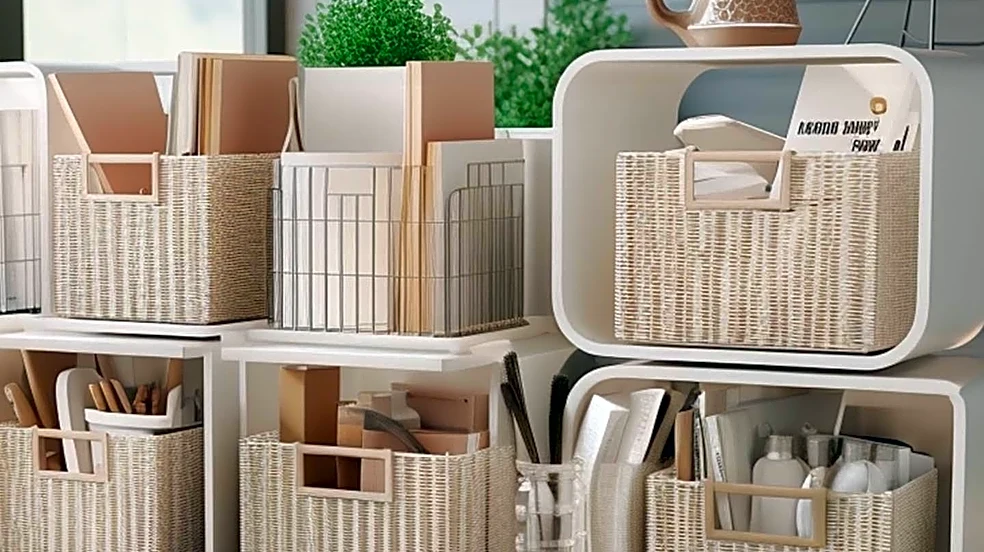
for daily necessities. Clear oversized shoe boxes are recommended for visible yet protected storage, and cubby boxes can conceal less attractive supplies. It is advised not to fill every shelf or container completely, leaving some empty space to accommodate new items. Hidden storage solutions, such as trays for desk organization or freestanding units, are also highlighted to manage clutter on flat surfaces. For instance, a simple tray can designate a permanent spot for frequently used items, preventing them from becoming clutter magnets.
Why It's Important?
The emphasis on smart organization in small spaces is crucial for urban dwellers and those with limited living areas, directly impacting daily efficiency and mental well-being. By advocating for thoughtful storage and repurposing, these strategies offer practical solutions to common challenges like overcrowding and disorganization. This approach helps individuals maintain a functional and aesthetically pleasing environment without the need for extensive renovations or costly storage units. The ability to keep living spaces tidy and accessible reduces stress and improves productivity, making it easier to find items and manage household tasks. Furthermore, by encouraging the use of existing items and leaving room for new acquisitions, these methods promote a sustainable and adaptable approach to home management, benefiting both personal finances and environmental impact.
What's Next?
Individuals can begin implementing these organizational hacks by first assessing their current living spaces and identifying areas prone to clutter. The next step involves categorizing items based on frequency of use and then selecting appropriate storage solutions, such as clear boxes for visibility or cubbies for concealment. Repurposing household items, like using a tray for desk organization, can be immediately applied. For those seeking more structured solutions, exploring freestanding storage units or hidden compartments can further enhance space utilization. The ongoing process will involve regularly decluttering and adjusting storage systems to ensure they remain effective as needs change, fostering a continuous cycle of organization and efficiency in small living environments.
Beyond the Headlines
Beyond the immediate benefits of a tidy home, these small space organization hacks reflect a broader cultural shift towards minimalism and intentional living. In an increasingly consumer-driven society, the ability to efficiently manage limited space encourages a more conscious approach to possessions, prompting individuals to evaluate what truly adds value to their lives. This mindset can lead to reduced consumption and a greater appreciation for functionality over accumulation. Ethically, it promotes resourcefulness and sustainability by encouraging the repurposing of items rather than constant purchasing of new storage solutions. Psychologically, a well-organized small space can foster a sense of control and calm, counteracting the potential stress and anxiety associated with cramped or cluttered environments, thereby enhancing overall quality of life.