






What's Happening?
OpenAI has announced the wider release of its latest AI model, GPT-5.6, following a request from the Trump administration to stagger its rollout. This model comes in three versions: Sol, Terra, and Luna, each designed for different applications such as coding,
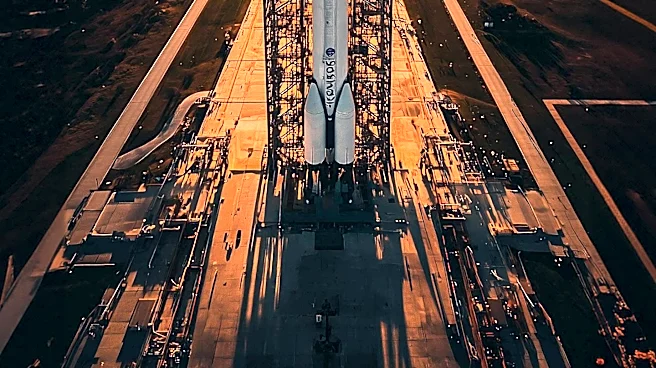
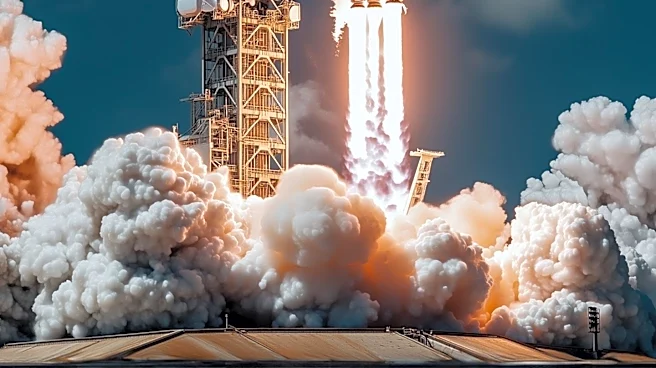
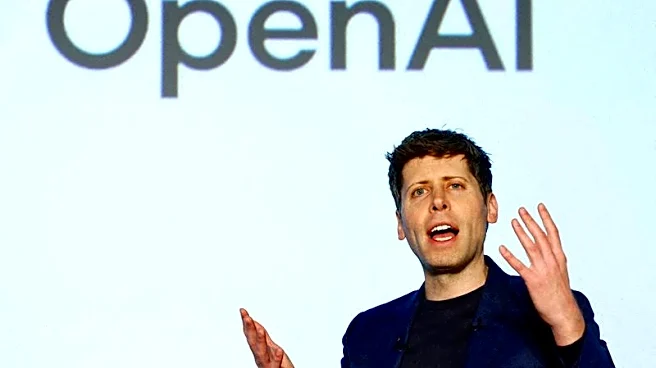
biology, and cybersecurity. In response, Elon Musk's SpaceXAI is set to launch its Grok 4.5 model, which is touted to be faster and more cost-efficient than its competitors. This development marks another chapter in the ongoing rivalry between Musk and OpenAI CEO Sam Altman, following a legal battle over OpenAI's nonprofit status, which Musk lost.
Why It's Important?
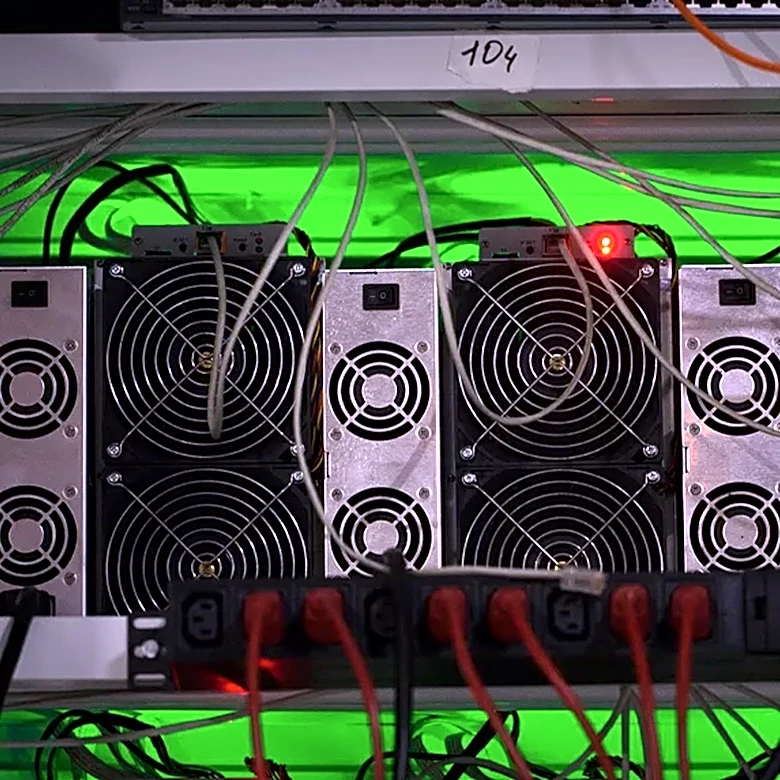
The release of these AI models highlights the competitive landscape in the AI industry, with major players like OpenAI and SpaceXAI vying for technological supremacy. The focus on efficiency and cost-effectiveness reflects a broader industry trend towards making AI more accessible and sustainable. This competition could drive innovation, potentially benefiting industries reliant on AI for advancements in automation, cybersecurity, and data processing. However, it also raises concerns about the ethical use of AI and the potential for misuse, as evidenced by the Trump administration's previous export ban on certain AI models.
What's Next?
As both companies prepare to release their new models, the industry will be watching closely to see how these technologies perform in real-world applications. Stakeholders, including businesses and government agencies, may need to adapt to the capabilities and limitations of these new AI tools. Additionally, regulatory bodies might consider implementing guidelines to ensure the responsible use of AI, particularly in sensitive areas like cybersecurity and data privacy.