



What's Happening?
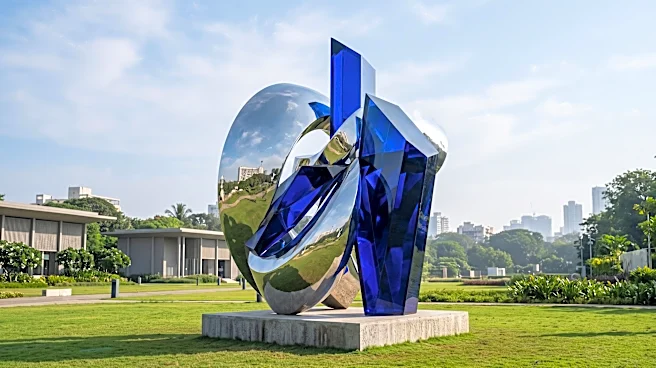
Art Mumbai, an annual art event, is set to host its fourth edition starting November 12 at the Mahalaxmi Racecourse. This year's event will feature 94 exhibitors, a significant increase from its debut in 2023, which had 48 Indian and 5 international galleries.
The 2026 edition includes 73 Indian and 21 international galleries, showcasing a diverse range of themes, styles, and materials. Prominent Indian galleries like Nature Morte, DAG, Experimenter, Chemould Prescott Road, and Vadehra Art Gallery will present works by established figures such as Zarina Hashmi, Pablo Picasso, FN Souza, and Anish Kapoor, alongside mid-career and emerging artists. International galleries making their debut include Perrotin, Richard Saltoun, Night Gallery, Rizq Art Gallery, Niru Ratnam, and Rajiv Menon Contemporary. Returning international participants like Lisson Gallery and Galleria Continua aim to deepen their engagement with the Indian art market. The event also plans to incorporate musical performances, a fashion spectacle, and a panel discussion with Karan Johar, aiming to capture the dynamic spirit of Mumbai beyond just the art market.
Why It's Important?
The expansion of Art Mumbai signifies a growing international interest in the Indian art market and its potential for growth. The increased participation of international galleries indicates a recognition of India's evolving collector base and institutions, fostering a broader dialogue across different artistic practices. This event provides a crucial platform for both established and emerging artists to gain exposure, contributing to the vibrancy and development of the art ecosystem. For collectors, it offers an unparalleled opportunity to engage with a wide array of art, from historical Indian masters to contemporary global works. The inclusion of fashion and entertainment elements also broadens the event's appeal, potentially attracting new audiences to the art world and integrating art more deeply into the cultural fabric of the city. This convergence of art, fashion, and entertainment reflects a trend towards more interdisciplinary cultural events, enhancing Mumbai's status as a global cultural hub.
What's Next?
Following the opening on November 12, Art Mumbai 2026 will continue to showcase a diverse range of art, performances, and discussions. The event is expected to facilitate numerous transactions and collaborations between galleries, artists, and collectors, potentially leading to new acquisitions for private and institutional collections. The increased international presence may also pave the way for future partnerships and exhibitions between Indian and global art entities. The success of this expanded edition could further solidify Art Mumbai's position as a leading art fair in the region, encouraging even greater participation in subsequent years. Discussions and panels, such as the one featuring Karan Johar, are likely to generate broader public interest and media coverage, extending the event's impact beyond the traditional art community. The engagement of international galleries like Lisson Gallery suggests a long-term commitment to cultivating relationships within the Indian art scene.
Beyond the Headlines
The growth of Art Mumbai reflects a broader cultural shift in India, where art is increasingly becoming a significant part of the national and international discourse. The event's ability to attract a diverse range of participants, from traditional art connoisseurs to fashion and entertainment enthusiasts, highlights a democratization of art appreciation. This interdisciplinary approach can challenge conventional perceptions of art fairs, transforming them into comprehensive cultural experiences. Furthermore, the emphasis on showcasing both established masters and emerging talents underscores a commitment to nurturing the entire artistic spectrum, ensuring the continuity and evolution of art forms. The dialogue between Indian and international art practices fostered by such events can lead to new artistic movements and interpretations, enriching the global art landscape. This also signals India's growing influence in the global art market, moving beyond being just a consumer to becoming a significant contributor and trendsetter.