



What's Happening?
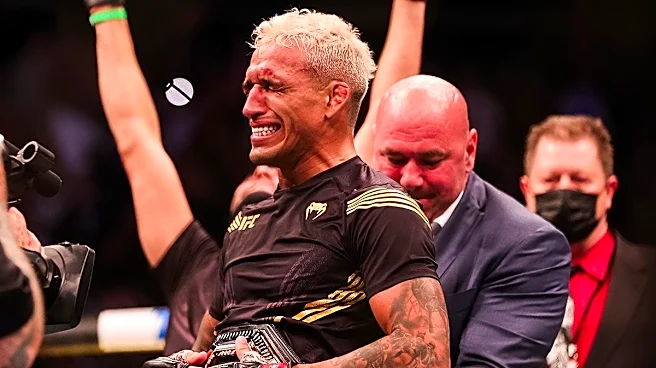
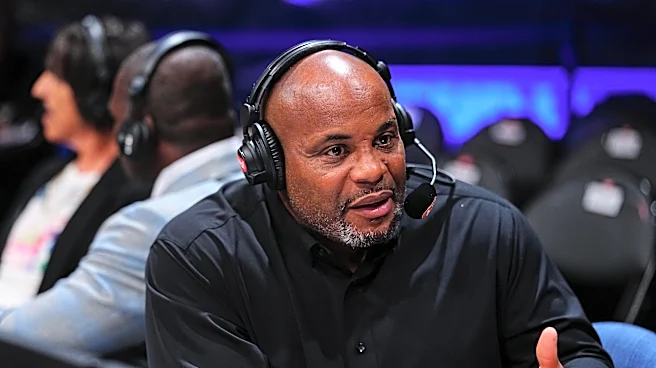
UFC commentator Joe Rogan has publicly advised mixed martial artist Ilia Topuria to consider returning to the featherweight division (145 lbs) following his recent devastating loss to Justin Gaethje at UFC Freedom 250. Topuria sustained significant injuries
in the June fight, including two broken orbital bones, a shattered septum, and a broken foot, narrowly avoiding career-ending surgery. Rogan expressed concerns about Topuria's size disadvantage at lightweight (155 lbs), noting that Gaethje was considerably larger. While acknowledging Topuria's exceptional technical skills, Rogan believes his natural size is better suited for the featherweight class, where his power and efficiency would be more impactful. Topuria, who previously moved to lightweight due to difficulties making the 145 lbs limit, is expected to resume full training in January and aims for a return to fighting in the first half of 2027, having expressed interest in a rematch with Gaethje or a fight with Paddy Pimblett.
Why It's Important?
This discussion highlights a critical strategic decision for Ilia Topuria's career and could influence future fighter weight class choices in the UFC. For Topuria, choosing between staying at lightweight, where he has faced significant physical challenges, and returning to featherweight, where he previously dominated but struggled with weight cuts, will dictate his competitive trajectory. His decision could impact the landscape of both divisions, potentially setting up high-profile matchups or altering championship contention. For the UFC and its fans, Topuria's next move is significant as he is a prominent fighter with a strong following. The debate also underscores the ongoing challenge many fighters face in balancing performance optimization with the physical demands of weight cutting, a perennial issue in combat sports that affects athlete health and career longevity.
What's Next?
Ilia Topuria is slated to return to full training in January and is targeting a comeback to the octagon in the first half of 2027. His immediate future involves a crucial decision regarding his weight class. Despite Joe Rogan's advice, Topuria has previously indicated a reluctance to endure the difficult weight cut back to 145 lbs. He has also expressed a desire for an immediate rematch with Justin Gaethje or a bout against rival Paddy Pimblett, both of which would keep him in the lightweight division. The UFC and its matchmakers will likely monitor Topuria's recovery and his stated intentions closely. His eventual decision will set the stage for his next fight, potentially impacting title pictures in either the lightweight or featherweight divisions, and will be a key factor in how he rebuilds his career after his first professional loss.
Beyond the Headlines
The debate surrounding Ilia Topuria's optimal weight class delves into broader implications for fighter welfare and strategic career management in professional mixed martial arts. Topuria's near-career-ending injuries at lightweight underscore the severe physical toll of competing against larger opponents, raising questions about the long-term health risks associated with fighting outside one's natural weight. His previous struggles with weight cutting to featherweight also highlight the extreme physiological demands placed on athletes to meet specific weight limits, a practice that has long been a subject of concern within combat sports. This situation could reignite discussions about fighter safety, optimal weight management practices, and the potential for more flexible weight classes or alternative competition structures to mitigate risks. Ultimately, Topuria's choice will not only shape his own legacy but also contribute to the ongoing narrative about fighter health, strategic decision-making, and the evolving nature of competitive MMA.