





What's Happening?
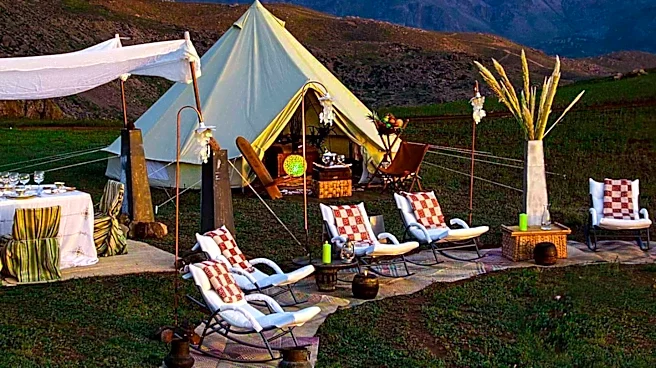
Eco-glamping, a fusion of glamorous camping and environmentally friendly practices, is gaining traction worldwide. This trend offers luxury accommodations while minimizing ecological impact. For instance, EcoHouse Glamping by ART HOTEL in Bishkek provides
elegant stays with amenities like sun terraces, gardens, free WiFi, air-conditioned rooms, and private bathrooms. In Brazil, Tedesco Eco Park features glamping sites inspired by Arab and African safari tents, complete with refined dining and various activities. Portugal boasts popular eco-glamping locations such as Quinta dos Corgos and DOBAU village, which offer infinity pools and children's playgrounds. India also participates in this trend, with Wayanad offering forest and plantation glamping near Nagarhole National Park, and Goa providing beachside tented stays along its quieter northern coast. These sites aim to provide a comfortable and luxurious outdoor experience without compromising environmental values.
Why It's Important?
The rise of eco-glamping signifies a growing consumer demand for sustainable tourism options that do not sacrifice comfort or luxury. This trend impacts the hospitality and tourism industries by encouraging the development of eco-conscious infrastructure and services. Businesses that adopt eco-friendly practices, such as using sustainable materials, conserving water and energy, and supporting local communities, stand to gain a competitive advantage. Conversely, traditional camping or luxury travel providers who do not adapt to these evolving preferences might see a decline in demand. The movement also promotes environmental awareness among travelers, potentially leading to broader adoption of sustainable practices in other aspects of their lives. This shift could influence policy-making in tourism, pushing for regulations that support ecological preservation and responsible development in natural areas.
What's Next?
The eco-glamping sector is expected to continue its expansion, with more destinations and hospitality providers likely to integrate sustainable practices into their offerings. Future developments may include advanced eco-technologies in glamping accommodations, such as solar power integration, sophisticated waste management systems, and water recycling. There could also be an increase in specialized eco-glamping experiences, focusing on unique natural environments or cultural immersion while maintaining a low environmental footprint. Major stakeholders, including tourism boards and environmental organizations, may collaborate to establish certifications and standards for eco-glamping, ensuring authenticity and accountability. This could further drive consumer trust and market growth, making eco-glamping a significant segment within the global tourism industry.
Beyond the Headlines
Beyond the immediate economic and tourism implications, the eco-glamping trend reflects a deeper societal shift towards valuing experiences over material possessions and a heightened awareness of environmental stewardship. It challenges the traditional notion that luxury and sustainability are mutually exclusive, demonstrating that high-end travel can coexist with ecological responsibility. This movement could inspire broader changes in consumer behavior, encouraging individuals to seek out and support businesses that align with their environmental values. Ethically, it promotes a more respectful interaction with nature, fostering a sense of connection and responsibility among travelers. Culturally, it may lead to a re-evaluation of leisure activities, emphasizing mindful engagement with the environment and local cultures, rather than purely extractive forms of tourism.