





What's Happening?
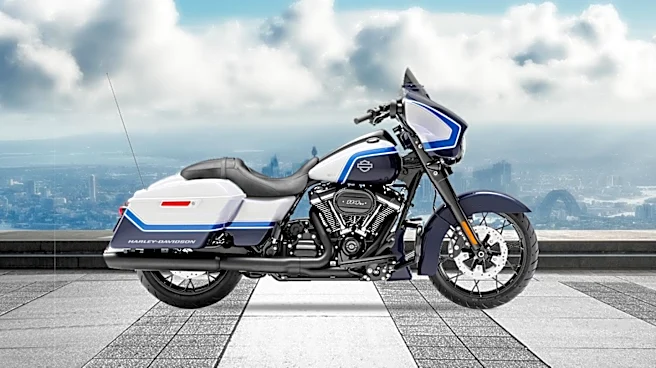
Harley-Davidson, a storied American motorcycle manufacturer, is facing significant challenges as it attempts to navigate a changing market landscape. The company, which has been synonymous with American culture and freedom for over a century, is experiencing
a decline in sales and market value. In 2025, Harley-Davidson reported a 14% drop in revenue from the previous year, with its core motorcycle division posting an operating loss. The brand's market capitalization has plummeted from its 2006 peak of over $19 billion to approximately $2.7 billion. The company is struggling to attract younger riders, as its traditional customer base of older, affluent men is aging out of the market. Efforts to modernize, such as the introduction of electric motorcycles, have not been successful, and the company is now focusing on more affordable models to appeal to a broader audience.
Why It's Important?
The challenges faced by Harley-Davidson highlight broader trends in the U.S. motorcycle industry and consumer behavior. As the demographic of motorcycle buyers shifts, companies must adapt to meet the preferences of younger generations who favor different types of vehicles and brands. Harley-Davidson's struggle to maintain its cultural identity while appealing to new customers underscores the difficulties legacy brands face in evolving markets. The company's financial performance and strategic decisions will have significant implications for its dealers, employees, and investors. Additionally, Harley-Davidson's situation reflects the broader economic pressures on American manufacturing, including tariffs and competition from international brands.
What's Next?
Harley-Davidson's new CEO, Artie Starrs, has introduced a strategy called 'Back to the Bricks,' which aims to return the company to its roots by focusing on more affordable motorcycles and expanding customization options. The company plans to launch 20 new models over the next three years and aims to improve dealer profitability. However, the success of these initiatives will depend on Harley-Davidson's ability to resonate with younger consumers and adapt to changing market dynamics. The company also faces external pressures, such as tariffs and competition from other motorcycle brands, which could impact its recovery efforts.
Beyond the Headlines
Harley-Davidson's situation raises questions about the sustainability of its cultural identity in a rapidly changing world. The brand's iconic status has been built on a specific image and lifestyle, which may not align with the values and preferences of emerging consumer groups. As the company attempts to modernize, it risks alienating its traditional customer base while struggling to attract new riders. This tension between heritage and innovation is a common challenge for legacy brands across various industries. Harley-Davidson's ability to navigate this balance will be crucial to its long-term survival and relevance.