






What's Happening?
Tesla continues to dominate the U.S. electric vehicle (EV) market, holding nearly 50% of all sales, despite the expiration of the $7,500 federal incentive in September 2025. The market experienced a surge in sales before the incentive ended, followed
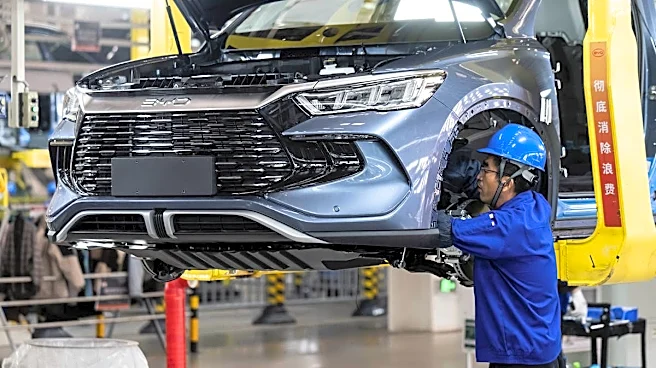
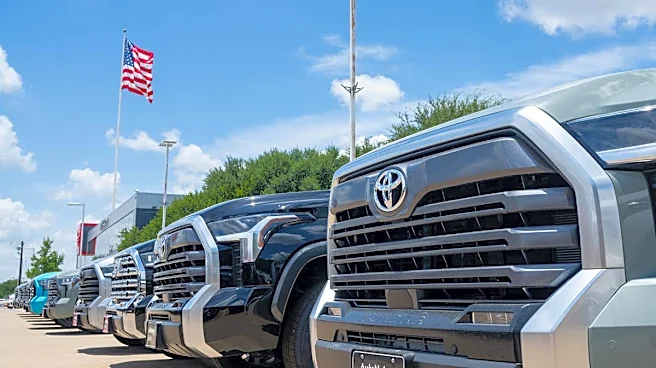
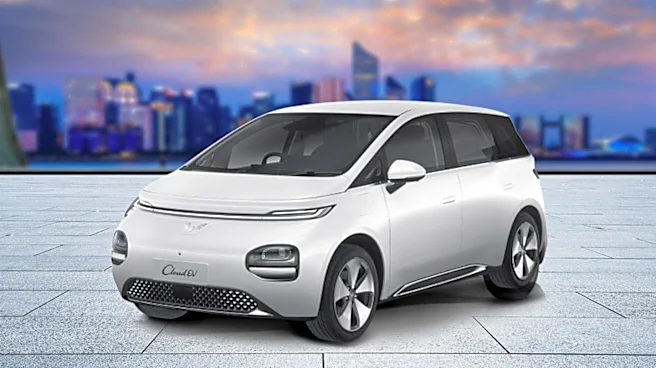
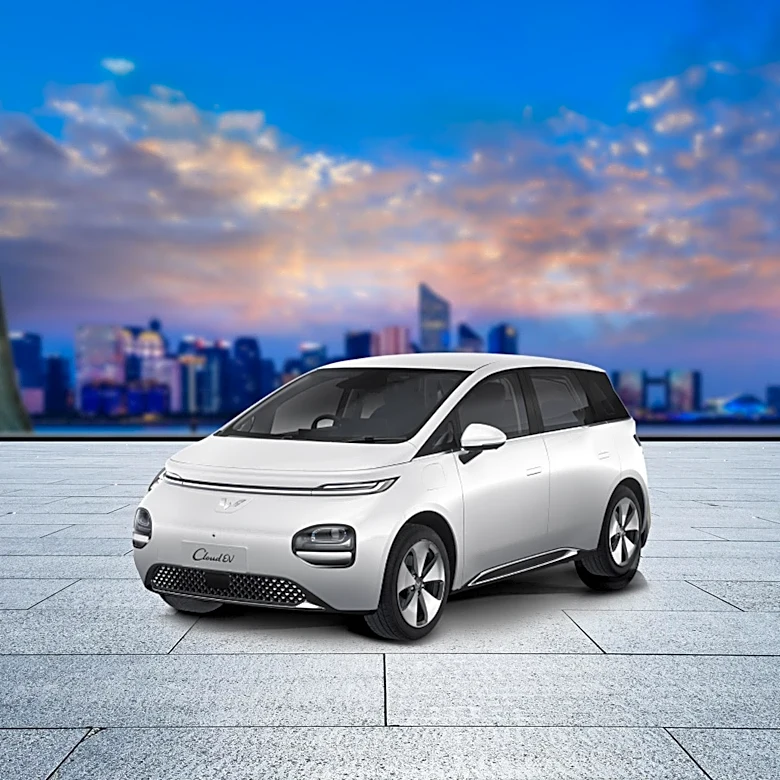
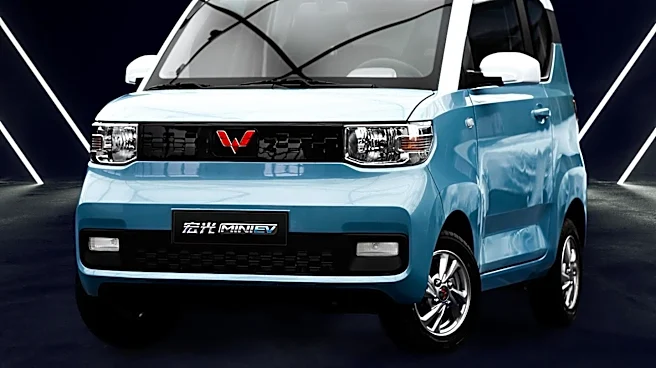
by a decline, but is now showing signs of recovery. According to Kelley Blue Book, EV sales in the U.S. increased by 14.7% in the second quarter of 2026 compared to the first quarter. However, sales are still down 20.5% from their peak in the third quarter of 2025. The market is stabilizing with new product launches and state-level incentives supporting demand. Toyota and Subaru have notably doubled their EV sales this year. Meanwhile, the U.S. Senate is considering the Connected Vehicle Security Act of 2026, which aims to restrict the import of Chinese-made cars and components due to national security concerns.
Why It's Important?
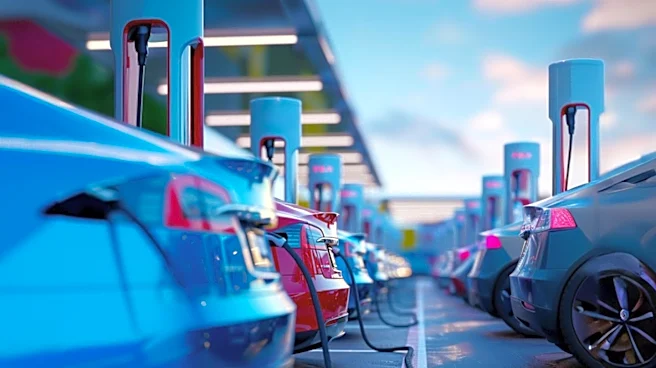
The developments in the U.S. EV market highlight the ongoing transition towards electric mobility, influenced by policy changes and market dynamics. The expiration of federal incentives has led to a price adjustment in the market, affecting consumer purchasing behavior. The proposed legislation to restrict Chinese technology in vehicles underscores national security concerns and could reshape the competitive landscape by limiting foreign competition. This could benefit domestic manufacturers but may also limit consumer choices. The expansion of EV charging infrastructure, with over a quarter million charge points now available, is crucial for supporting the growing EV market. The legislative actions and market trends reflect broader geopolitical tensions and the strategic importance of the automotive sector in national security and economic policy.
What's Next?
If the Connected Vehicle Security Act of 2026 passes, it could significantly impact the U.S. automotive market by restricting imports of vehicles with Chinese technology. This may lead to increased costs for automakers to comply with new regulations and could affect the availability of certain vehicle models. The legislation is expected to undergo changes in the House before potentially becoming law. Automakers may need to adjust their supply chains and technology strategies to align with the new requirements. The ongoing expansion of EV infrastructure and state-level incentives will continue to play a critical role in the adoption of electric vehicles in the U.S.