

What's Happening?
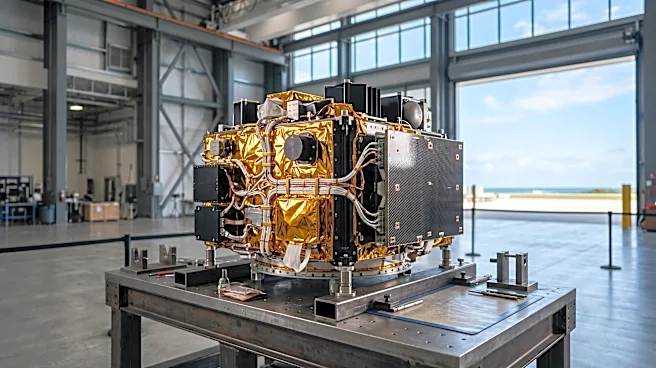
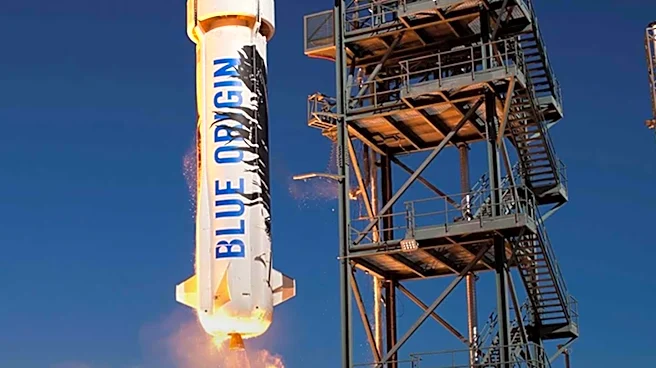
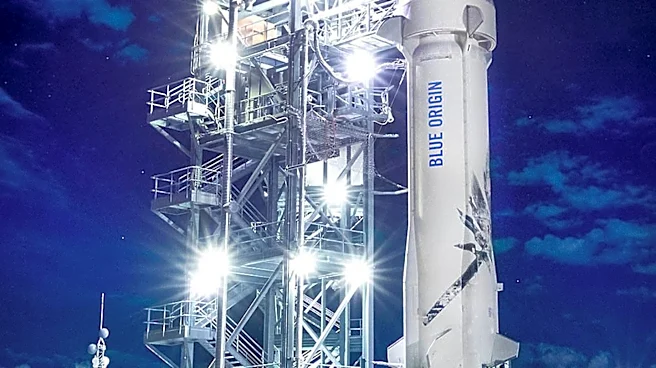
Blue Origin has signed a multi-launch agreement with EnduroSat, a Bulgarian company specializing in satellite solutions, for two dedicated missions aboard Blue Origin's New Glenn 7x2 launch vehicle. These missions are exclusively reserved for EnduroSat's
customers and are scheduled to lift off from Cape Canaveral, Florida, with the first launch planned for 2029. This agreement allows EnduroSat to offer end-to-end mission capabilities, from satellite design and manufacturing to payload integration, launch, and in-orbit operations. The New Glenn rocket is a reusable, heavy-lift vehicle capable of delivering 45 metric tons to low Earth orbit and 13 metric tons to geostationary transfer orbit, featuring a seven-meter-diameter payload fairing that can accommodate large spacecraft or multiple payloads. Raycho Raychev, Founder and CEO of EnduroSat, stated that this partnership aims to make space universally accessible by removing bottlenecks for their customers, enabling them to fly larger spacecraft and full constellations.
Why It's Important?
This multi-launch agreement signifies a critical development in the commercial space sector, particularly for U.S. launch providers like Blue Origin. By securing dedicated launch capacity, EnduroSat gains significant flexibility and scalability for its customers' missions, which can range from multi-ton payloads to multi-satellite constellations. This partnership enhances Blue Origin's position in the competitive heavy-lift launch market and demonstrates the growing demand for reliable and high-capacity launch services. For the U.S. space industry, such agreements foster innovation, create jobs, and reinforce the nation's role as a leader in space technology and services. The ability of New Glenn to accommodate diverse spacecraft configurations, including EnduroSat's ESPA-class Frame S, Frame L, and the larger Frame Max buses, highlights the versatility and advanced capabilities of U.S.-developed launch systems, attracting international clients and boosting economic activity within the sector.
What's Next?
Following this agreement, EnduroSat will proceed with planning and executing customer missions, leveraging the dedicated launch capacity provided by Blue Origin. The first launch is set for 2029, indicating a long-term strategic partnership. Blue Origin will continue its development and testing of the New Glenn rocket to ensure its readiness for these and other scheduled missions. This collaboration could lead to further agreements and expanded services as the demand for satellite deployment grows. Both companies will likely focus on optimizing mission integration and operational efficiencies to deliver cost-effective and reliable access to space for EnduroSat's clientele. The success of these dedicated missions could also attract other international satellite providers to utilize U.S. launch services, further solidifying the commercial space market.
Beyond the Headlines
The trend of private companies like EnduroSat securing dedicated launch services from providers like Blue Origin points to a significant shift in how space missions are conceived and executed. This commercialization reduces reliance on government-sponsored launches and opens up new possibilities for innovation and competition. The ability to launch larger spacecraft and full constellations more frequently could accelerate advancements in areas such as global communication, Earth observation, and scientific research. However, it also raises questions about orbital debris management and the increasing congestion of low-Earth orbit. The long-term implications include the potential for a more robust and diverse space economy, but also the need for enhanced international cooperation and regulatory frameworks to manage the growing number of private space assets and activities.