





What's Happening?
Senator Ron Wyden, along with Senators Edward Markey and Jeanne Shaheen, introduced the Tariff Refund Act of 2026. This legislation aims to refund collected duties to importers, with a focus on supporting small businesses. The bill was announced alongside
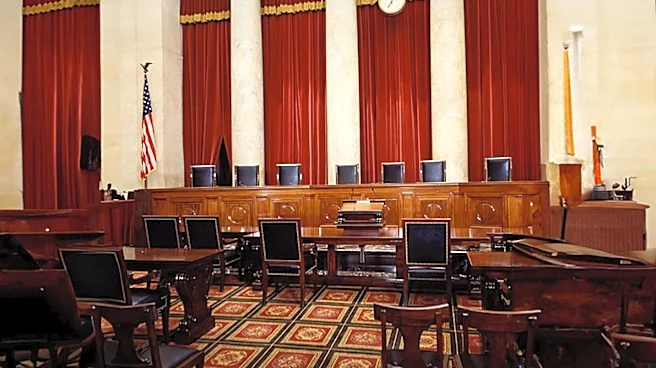
19 other Senate Democrats. It directs Customs and Border Protection to prioritize refunds to small businesses, rather than distributing checks to households. This move is part of a broader discussion on tariff-related financial policies, as the U.S. Treasury has recorded significant customs-duty refunds following a Supreme Court ruling that affected tariff collections.
Why It's Important?
The introduction of the Tariff Refund Act of 2026 is significant as it addresses the financial burden tariffs have placed on small businesses. By prioritizing refunds to these businesses, the legislation aims to alleviate some of the economic pressures they face. This is particularly important in the context of ongoing debates about the role of tariffs in U.S. trade policy and their impact on domestic industries. The bill reflects a legislative effort to support economic recovery and stability for small businesses, which are crucial to the U.S. economy. It also highlights the complexities of tariff policies and their implications for different economic stakeholders.
What's Next?
The Tariff Refund Act of 2026 will proceed through the legislative process, requiring approval from both the House and Senate before becoming law. Its progress will be closely monitored by businesses and policymakers, as it could set a precedent for future tariff-related legislation. The bill's success or failure may influence future discussions on trade policy and economic support measures. Additionally, the broader economic context, including customs collections and refunds, will continue to be a focal point for policymakers as they navigate the challenges of balancing trade policies with domestic economic needs.