




What's Happening?
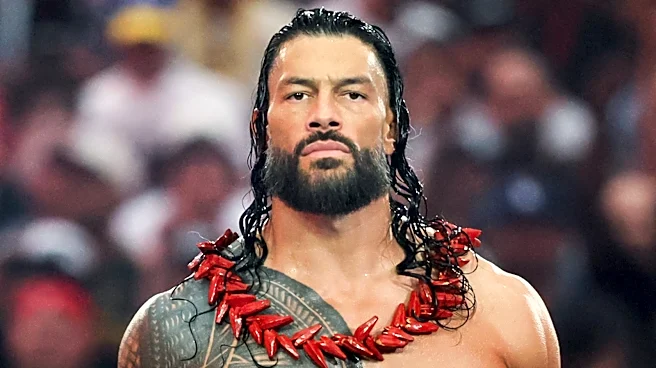
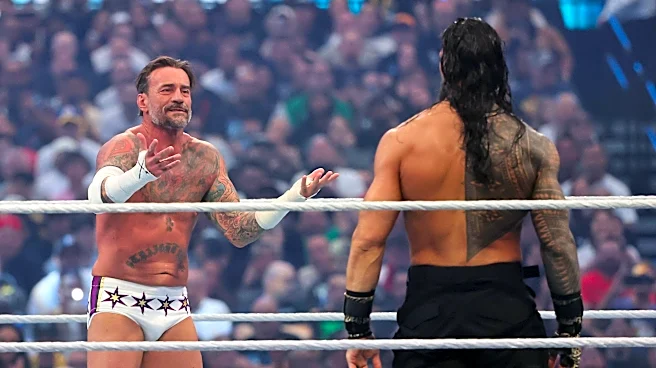
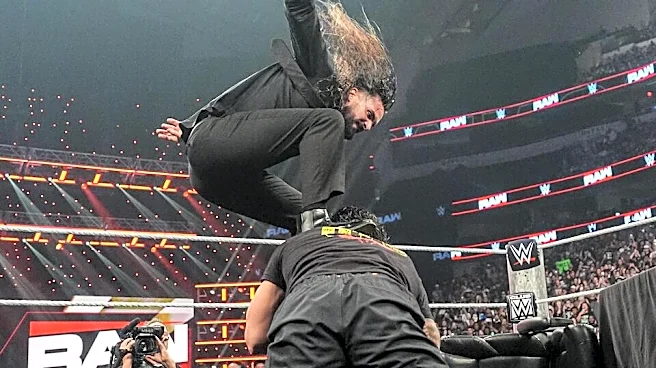
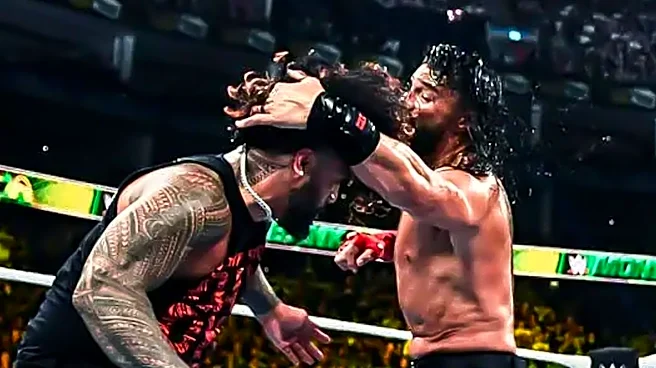
The WWE SummerSlam 2026 main event featuring Roman Reigns and Seth Rollins for the World Heavyweight Championship is under scrutiny for its lackluster build-up. Despite the rich history between the two wrestlers, dating back to their time in The Shield
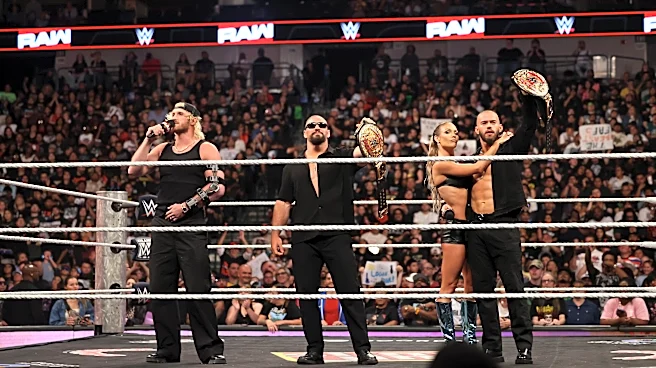
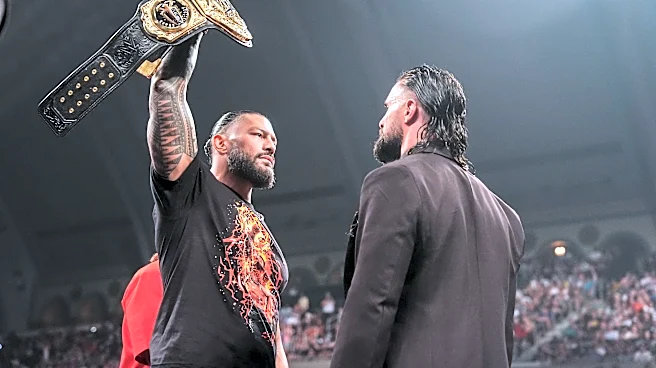
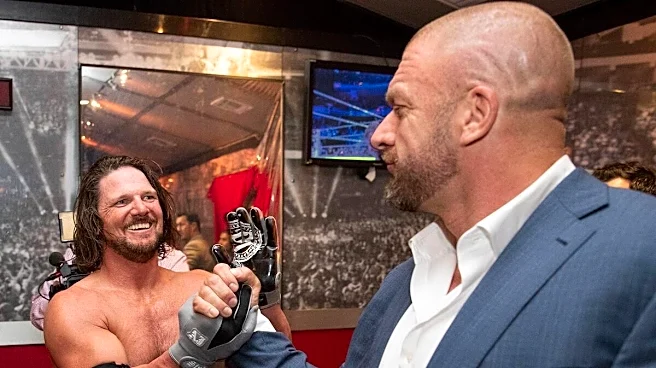
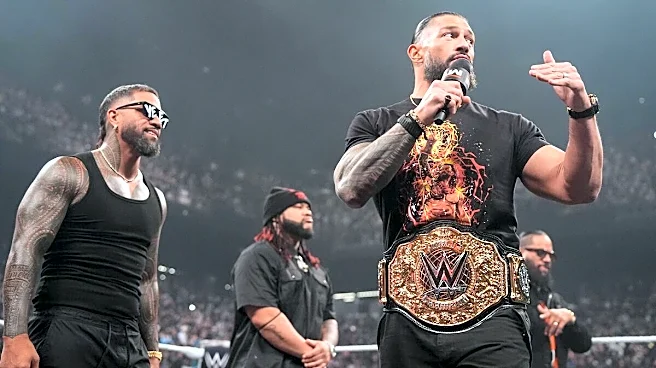
and numerous singles matches, WWE Creative, led by Triple H, has been criticized for making the storyline feel repetitive. The feud, which should have been a culmination of years of rivalry, has instead relied heavily on old narratives and repetitive promos. This approach has led to a lack of new elements in the storyline, causing fans to feel disengaged. The recent contract signing on Monday Night Raw showcased the potential of the feud, with Reigns displaying confidence and Rollins showing genuine emotion. However, the overall narrative has been criticized for focusing too much on past events rather than evolving the characters and storyline.
Why It's Important?
The handling of the Reigns vs. Rollins storyline highlights ongoing challenges within WWE Creative, particularly in maintaining fan engagement through fresh and innovative storytelling. The reliance on historical narratives without introducing new elements risks alienating the WWE Universe, who seek emotional investment in the characters and their journeys. This situation underscores the importance of creative evolution in wrestling storylines to keep long-term fans interested and attract new audiences. The outcome of this match, perceived as predictable, could impact fan interest in future events and the overall perception of WWE's creative direction.
What's Next?
As SummerSlam approaches, WWE has limited time to inject new life into the Reigns vs. Rollins storyline. The company may need to explore new angles or unexpected developments to reignite fan interest and ensure the match feels significant. The outcome of the match could also influence future storylines, particularly if WWE decides to pivot from the current narrative approach. Stakeholders, including WWE Creative and the wrestlers themselves, may need to collaborate on innovative storytelling techniques to enhance future rivalries and maintain audience engagement.