






What's Happening?
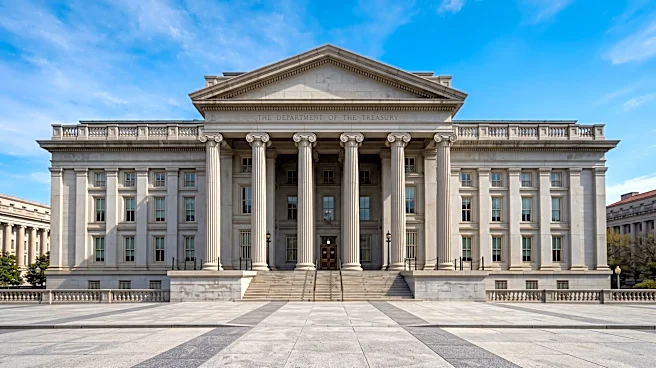
U.S. Treasury Secretary Scott Bessent and U.S. Trade Representative Jamieson Greer recently held a video conference with Chinese Vice Premier He Lifeng, pressing China to immediately fulfill its commitments under a 2025 trade deal. The U.S. officials
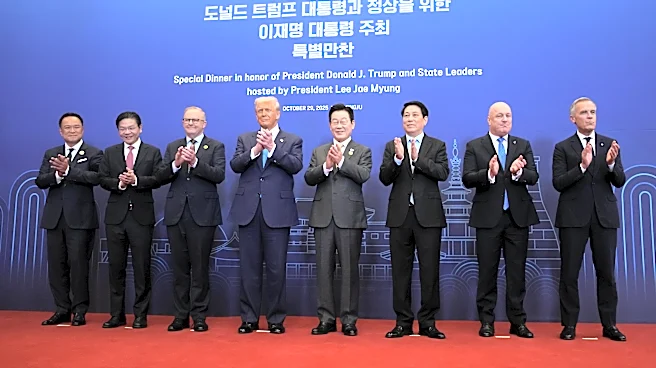
emphasized the critical importance of China taking concrete actions, particularly concerning agricultural purchases and the supply of rare earths and other critical minerals. According to the Office of the U.S. Trade Representative, the Trump Administration will continue to monitor compliance with past commitments to ensure balanced trade and benefits for American farmers, ranchers, manufacturers, and workers. The Busan agreement, unveiled in October 2025, included China's pledge to purchase more U.S. soybeans and roll back export controls on critical minerals. During the call, Vice Premier He Lifeng expressed China's concerns over recent U.S. trade and economic curbs but agreed to continue strengthening communications and managing differences. The trade deal, which was extended by two months, is set to expire on January 10.
Why It's Important?
This development is significant for U.S. industries, particularly agriculture and manufacturing, as it directly impacts the market for American farm goods and access to essential rare earth minerals. China's compliance with the trade deal is crucial for American farmers who rely on these purchases, especially after previous instances where China halted U.S. soybean imports, causing substantial losses. For manufacturers, consistent access to rare earths and critical minerals is vital for various high-tech industries. The U.S. government's insistence on immediate implementation underscores its commitment to ensuring fair trade practices and protecting American economic interests. The ongoing dialogue, despite expressed concerns from both sides, highlights the complex and interdependent nature of the U.S.-China trade relationship and its broader implications for global supply chains and economic stability.
What's Next?
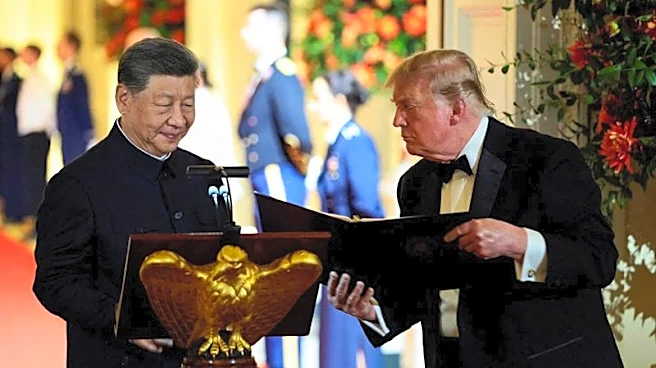
The immediate next step involves continued monitoring by the U.S. government to assess China's implementation of its trade commitments, especially as the extended trade deal approaches its January 10 expiration. President Trump and Chinese leader Xi Jinping are scheduled to meet on the sidelines of the Asia-Pacific Economic Cooperation summit in Shenzhen and the Group of 20 summit in Miami, where these trade issues are expected to be a central topic of discussion. The U.S. will likely continue to push for concrete results, while China may seek reciprocal tariff cuts as a condition for further agricultural purchases. The outcome of these high-level meetings will determine the future trajectory of U.S.-China trade relations and could influence policy decisions regarding trade enforcement and diversification strategies to reduce dependence on single-country supply chains.
Beyond the Headlines
Beyond the immediate trade figures, this situation highlights the broader strategic competition between the U.S. and China, particularly concerning critical resources like rare earths. The U.S. has been actively seeking to diversify its agricultural trade and reduce its reliance on China, a strategy driven by past experiences where agricultural goods were used as bargaining chips in trade disputes. This push for compliance also touches upon the ethical and legal dimensions of international trade agreements, emphasizing the importance of adherence to agreed-upon terms. The ongoing trade tensions and negotiations reflect a long-term shift in global economic dynamics, where countries are increasingly scrutinizing trade imbalances and national security implications of supply chain dependencies. The resolution of these issues will not only impact economic sectors but also shape geopolitical alliances and future trade policies.