




What's Happening?
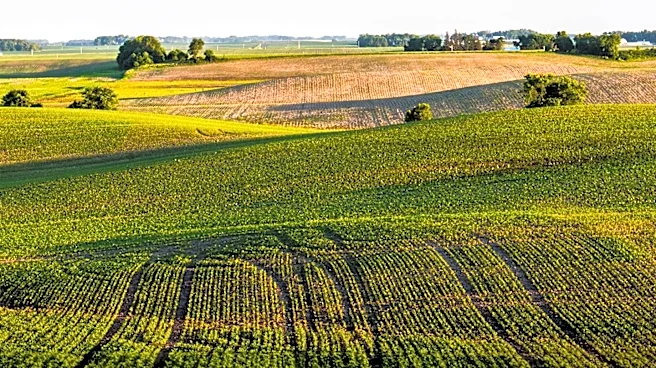
American billionaires are increasingly purchasing vast tracts of farmland, contributing to a significant rise in U.S. farmland values. This trend has transformed farmland into a $4.3 trillion asset class, with values increasing by an average of 4.3% year-over-year,
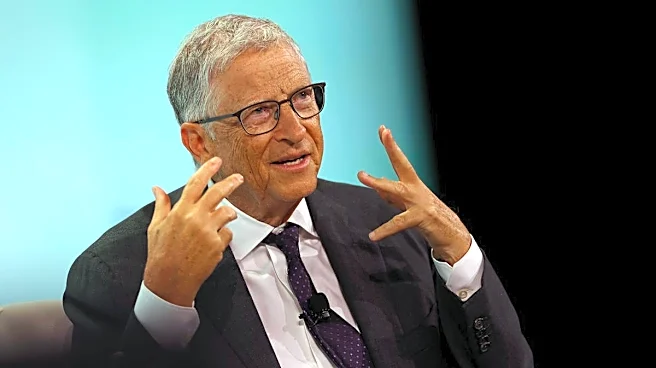
according to U.S. Department of Agriculture data. Wealthy individuals, including figures like Bill Gates, Jeff Bezos, and Stan Kroenke, own hundreds of thousands to millions of acres. This surge in demand is driven by a desire to hedge against inflation and the volatility of traditional assets, as land is a finite resource positively correlated with inflation. Additionally, there is growing demand for large land parcels from AI hyperscalers. While some billionaires, such as Mark Zuckerberg and Alexis Ohanian, engage in personal farming hobbies, the broader impact of these large-scale acquisitions is on the accessibility and affordability of land for traditional farmers.
Why It's Important?
The escalating cost of farmland poses a significant challenge for actual farmers, particularly those just starting out or looking to expand their operations. As billionaires and large corporations outbid them, farmers are increasingly forced into renting land, which limits their control over long-term investments in soil quality or infrastructure. This lack of ownership can hinder their ability to secure loans for operations, fund education for their children, or build retirement savings, as land is often a primary asset for farmers. The trend also highlights a shift in the perception of farmland from a productive agricultural resource to an investment vehicle, potentially impacting food security and the traditional structure of American agriculture. The finite nature of arable land means that as more land is acquired for investment or non-agricultural purposes, the pressure on remaining agricultural land intensifies.
What's Next?
The continued demand for farmland from ultra-wealthy investors and AI hyperscalers is expected to sustain the upward trajectory of land values. This will likely exacerbate the challenges faced by traditional farmers in acquiring and owning land. Policy discussions may emerge regarding land ownership regulations or support mechanisms for small and medium-sized farmers to ensure their competitiveness in the market. The increasing reliance on rented land could lead to changes in farming practices, potentially impacting long-term sustainability and agricultural innovation if farmers lack the incentive or ability to invest in land improvements. The agricultural sector may see further consolidation as smaller farms struggle to compete with well-capitalized buyers.
Beyond the Headlines
Beyond the immediate economic implications, the billionaire-led farmland buying spree raises deeper questions about land stewardship, rural community structures, and the future of food production. The shift from local, family-owned farms to large-scale, investor-owned agricultural enterprises could alter the social fabric of rural areas, potentially leading to a decline in community engagement and local economic resilience. There are ethical considerations regarding the concentration of a vital resource like land in the hands of a few, especially given its direct link to food scarcity and national security. The trend also underscores a broader societal divide, where wealth accumulation allows for the acquisition of essential resources, potentially at the expense of those who depend on them for their livelihood and the public good.