








What's Happening?
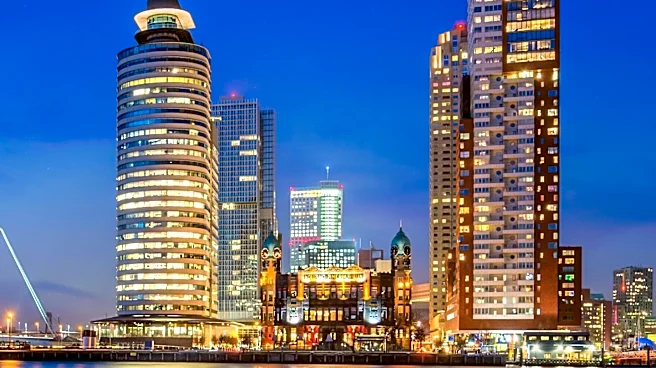
The Port of Rotterdam is set to host the Shore Power Summit 2026 on November 18-19, bringing together over 250 attendees from across Europe and beyond. Organized by WorldCargo News, the summit will serve as a critical forum for the shore-power industry,
focusing on the implementation challenges as the 2030 deadline for the EU’s Alternative Fuels Infrastructure Regulation (AFIR) and FuelEU Maritime approaches. Ports and shipping lines are facing pressure to transition from regulatory commitments to practical deployment of shore power, overcoming obstacles such as grid capacity limitations, terminal integration complexities, project financing, and commercial viability. The two-day event will gather ports, shipping lines, terminal operators, grid operators, and technology providers to address these key challenges in Onshore Power Supply (OPS) deployment. Regulatory developments, including the ongoing review of AFIR, will be a central focus, with discussions on potential changes to its scope and the difficulties of meeting the 2030 requirements.
Why It's Important?
The Shore Power Summit 2026 is crucial for the maritime industry's decarbonization efforts, particularly in the context of stringent EU regulations. The successful deployment of shore power is vital for reducing emissions from berthed vessels, contributing significantly to environmental sustainability and improving air quality in port cities. For U.S. ports and shipping companies, the outcomes and best practices discussed at this summit could provide valuable insights and a roadmap for their own decarbonization strategies, especially as global environmental standards become more harmonized. The challenges identified, such as grid capacity and financing, are universal, and solutions developed in Europe could be transferable. Failure to meet these regulatory deadlines could result in penalties and competitive disadvantages for shipping lines and ports, making the discussions on practical implementation and financial viability highly significant for the global maritime sector.
What's Next?
The summit will feature sessions examining the practical challenges of installing shore-power infrastructure at operational terminals while maintaining vessel calls and productivity. Discussions will include perspectives from COO of the Port of Aarhus, Anne Zachariassen; lead tender engineer at ABB, Esteban Dominguez; and head of decarbonization center of excellence at APM Terminals, Tim Miltenburg. A panel session with Henrik Gram Rasmussen of Maersk and Kristin Margenberg of Hapag-Lloyd will provide shipping lines' insights into the shore-power debate. The program will also explore shore-power opportunities for tanker fleets and address engineering challenges related to grid congestion and alternative electricity solutions. The insights gained and collaborations formed at this summit are expected to influence future investments, policy adjustments, and technological advancements in shore power infrastructure, guiding the industry towards meeting the 2030 decarbonization targets.
Beyond the Headlines
The push for shore power extends beyond mere regulatory compliance; it represents a fundamental shift in how ports operate and interact with their surrounding communities. The transition to shore power involves significant infrastructure investment and technological innovation, potentially creating new industries and job opportunities in green energy and maritime technology. However, it also highlights the complex interplay between environmental goals, economic realities, and technological feasibility. The discussions on grid capacity and alternative solutions for securing electricity underscore the broader energy transition challenges faced by nations. The summit's focus on practical implementation reflects a growing understanding that decarbonization requires not just ambition but also concrete, scalable solutions that address the operational and financial realities of the maritime industry. This could lead to a more integrated approach to energy planning, linking port infrastructure with national energy grids and renewable energy sources.