






What's Happening?
Stitch Fix, Inc. (NASDAQ: SFIX), an online personal styling company based in San Francisco, California, is actively recruiting an Industrial Engineering Lead. This role is crucial for driving process improvement and cost savings initiatives within the
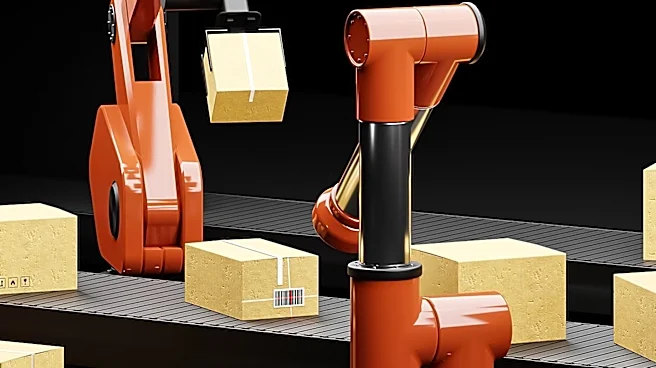
company's warehouses across the United States. The Industrial Engineering Lead will report to the Director of Industrial Engineering and collaborate with cross-functional operational partners. The position involves designing and implementing new technologies, processes, and equipment to support business growth, managing large cross-functional projects from ideation to implementation, and creating and updating engineering labor standards. A key aspect of the role is the economic evaluation of ideas and technologies, writing business cases, and tracking results to demonstrate success. Stitch Fix emphasizes its commitment to redefining retail by combining human creativity with advanced data science and Generative AI, aiming to build the future of personalized shopping. The company values integrity, innovation, and trust, fostering a community where diverse perspectives are heard and valued. The role requires a Bachelor's Degree in Industrial or Manufacturing Engineering and at least five years of experience, primarily in implementing automated systems.
Why It's Important?
This hiring initiative by Stitch Fix underscores a broader trend in the retail sector towards leveraging advanced data science and artificial intelligence to optimize supply chain and operational efficiencies. By investing in an Industrial Engineering Lead, Stitch Fix aims to enhance its warehouse operations, which are critical for timely and accurate delivery of personalized apparel and accessories to customers. Improved efficiency and cost savings in warehouses can directly impact the company's profitability and competitive edge in the e-commerce market. The focus on implementing automated systems and utilizing AI tools for data analysis and efficiency improvements reflects a strategic move to scale operations while maintaining high service standards. This approach could set a precedent for other online retailers facing similar logistical challenges, highlighting the increasing importance of industrial engineering expertise in technology-driven companies. For consumers, more efficient warehouse operations could translate to faster delivery times and potentially more competitive pricing, enhancing the overall customer experience.
What's Next?
The successful candidate for the Industrial Engineering Lead position will be tasked with immediately implementing lean warehousing programs, including waste elimination, 5S, value analysis, and standard work. They will also be responsible for designing layouts for facilities, equipment, inventory storage, and material flows, as well as creating technical specifications for equipment and facility standards. The role involves conducting inventory capacity forecasting and related capital investment planning, indicating a long-term strategic focus on infrastructure development. Furthermore, the lead will be expected to create AI tools to improve personal and team efficiency, suggesting a continuous integration of artificial intelligence into daily operations. The company's emphasis on equity and sustainability in its bold creation of the future implies that these initiatives will be undertaken with a consideration for ethical and environmental impacts. The ongoing integration of AI and data science into core operations is likely to lead to further innovations in personalized shopping and supply chain management within Stitch Fix.
Beyond the Headlines
The recruitment of an Industrial Engineering Lead with a strong emphasis on AI and data science at Stitch Fix highlights a significant shift in the retail industry's operational paradigm. This move transcends mere efficiency gains, pointing towards a future where the physical logistics of e-commerce are deeply intertwined with sophisticated technological capabilities. The ethical implications of AI in optimizing labor standards and processes will be a critical area to watch, ensuring that efficiency does not come at the expense of human welfare. Furthermore, the integration of AI tools for personal and team efficiency could redefine the nature of work within warehouse environments, potentially leading to new skill requirements and training programs for employees. This development also underscores the growing demand for interdisciplinary professionals who can bridge the gap between traditional engineering principles and cutting-edge data science, signaling a broader transformation in the job market for industrial engineers. The company's commitment to equity and sustainability in its innovation efforts suggests a conscious attempt to address the societal and environmental impacts of its technological advancements.