




What's Happening?
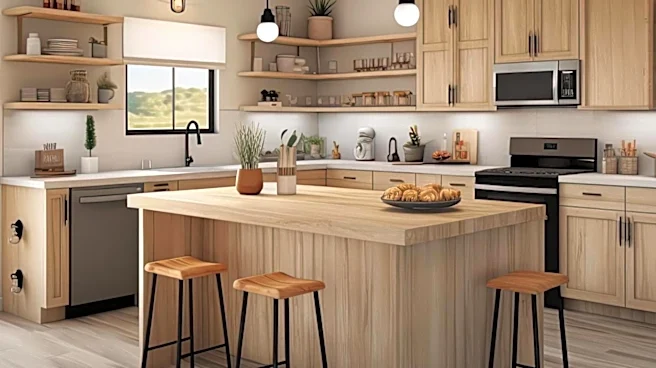
Modern residential architecture is increasingly focusing on creating connected living spaces that encourage interaction and can adapt to changing uses. While openness is a key principle, it is balanced with the need for privacy, acoustic comfort, and areas
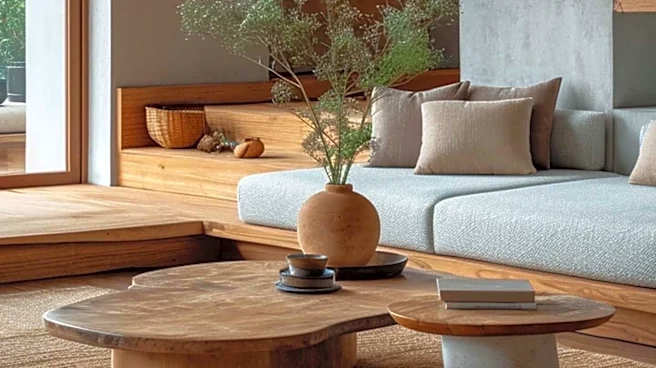
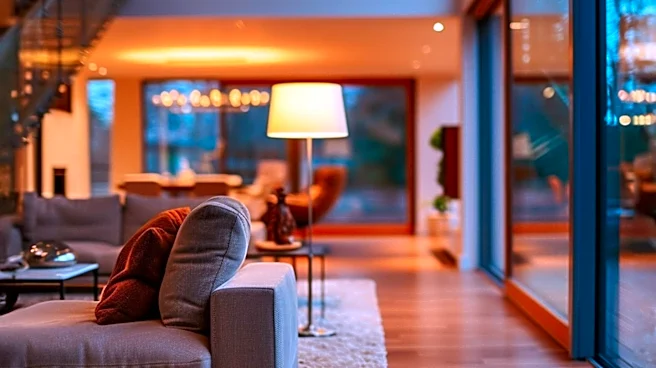
for retreat. Architects are employing various techniques, such as changes in ceiling height, material variations, and strategic lighting, to define distinct zones within larger open-plan areas. This approach allows homes to feel connected without making every activity visible or audible. The design philosophy also prioritizes natural light through windows, skylights, and clerestories, carefully placed to enhance atmosphere, frame views, and optimize energy performance. Material selection considers appearance, durability, maintenance, and how materials will age, often extending from outside to inside to create continuity.
Why It's Important?
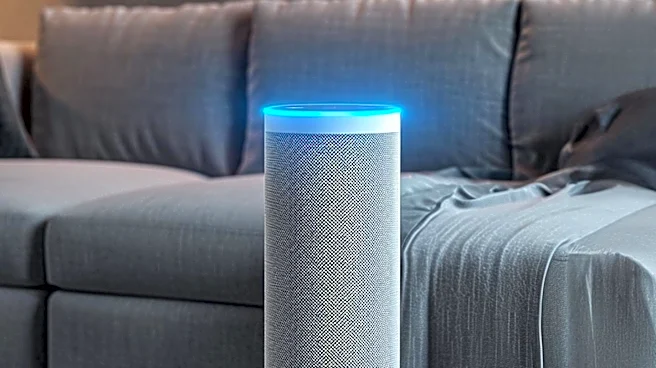
This evolution in modern residential architecture is significant for U.S. homeowners and the construction industry as it addresses contemporary lifestyle needs and environmental priorities. The demand for adaptable and connected spaces reflects a shift towards more flexible living arrangements, including multi-generational households and remote work. For architects and builders, this means a greater emphasis on thoughtful space planning, material innovation, and integrated design solutions that balance openness with privacy and comfort. The focus on natural light and material character also aligns with growing consumer interest in sustainable and aesthetically pleasing homes. This trend impacts the market for building materials, smart home technologies for acoustic control, and interior design services that complement open-plan living.
What's Next?
The principles of connected and adaptable living spaces are expected to continue shaping residential design. Future homes will likely feature even more sophisticated solutions for flexible layouts, such as movable walls or multi-functional furniture, to cater to evolving homeowner needs. Advancements in building materials and smart home technology will further enhance acoustic comfort and privacy in open environments. Architects will continue to explore innovative ways to integrate natural light and outdoor connections, potentially leading to more dynamic and responsive building envelopes. The demand for homes that can seamlessly transition between different uses and accommodate various stages of life will drive ongoing research and development in residential architecture.
Beyond the Headlines
The emphasis on connected yet adaptable living spaces in modern residential architecture reflects a deeper societal shift towards more fluid and integrated lifestyles. It challenges traditional notions of rigid room divisions, promoting a sense of community and shared experience within the home, while still acknowledging the need for individual retreat. This architectural philosophy also speaks to a growing awareness of well-being, where natural light, acoustic comfort, and a connection to the outdoors are seen as essential components of a healthy living environment. It highlights how design can profoundly influence daily routines, social interactions, and overall quality of life, moving beyond mere shelter to create spaces that truly support and enhance human experience.