








What's Happening?
A new report by FedEx, in collaboration with Frost & Sullivan, indicates that the escalating demand for Artificial Intelligence (AI), high-performance computing, electric vehicles (EVs), and advanced communications technologies is significantly accelerating
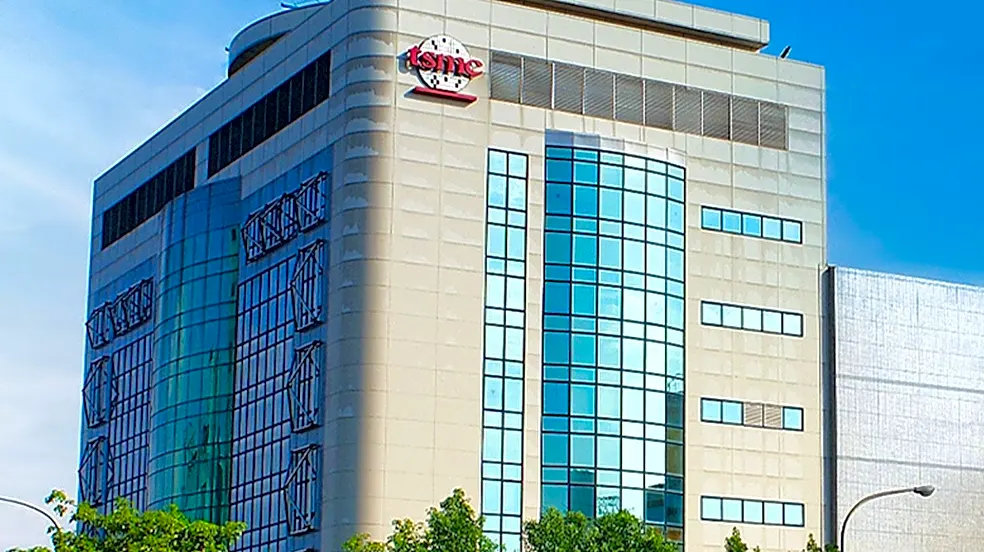
semiconductor production and investment in digital infrastructure across the Asia Pacific (APAC) region, including China. This surge is creating increasingly complex regional and global supply chains that necessitate speed, visibility, and resilience. The report, titled 'From AI to EVs: How APAC Semiconductors Drive the Global Innovation Map,' highlights APAC's central role in the global semiconductor ecosystem, accounting for approximately 58% of global semiconductor industry revenue. Mainland China alone represents over half of the APAC market and nearly 30% of the global market. The study also projects that more than 2,000 new data centers will be built globally between 2026 and 2035, further fueling semiconductor demand. This growth is shifting supply chain priorities from mere efficiency to strategic resilience, with businesses adopting geographic diversification and inventory buffers to mitigate geopolitical uncertainties and regulatory complexities.
Why It's Important?
The findings underscore a critical shift in global supply chain dynamics, moving from a 'just-in-time' model to one prioritizing resilience and diversification. This is particularly important for U.S. industries that rely heavily on semiconductors, as disruptions in the APAC supply chain can have ripple effects globally, impacting manufacturing, technology development, and consumer markets. The increased demand for AI-driven infrastructure means that companies in the U.S. will need to adapt their sourcing strategies and potentially invest more in resilient logistics to ensure a steady supply of critical components. The report also highlights the growing importance of specialized logistics networks capable of handling high-value, time-sensitive shipments, which could lead to increased demand for advanced logistics services. U.S. technology companies, especially those in AI, EVs, and high-performance computing, stand to benefit from the increased production but also face potential challenges related to supply chain stability and cost fluctuations.
What's Next?
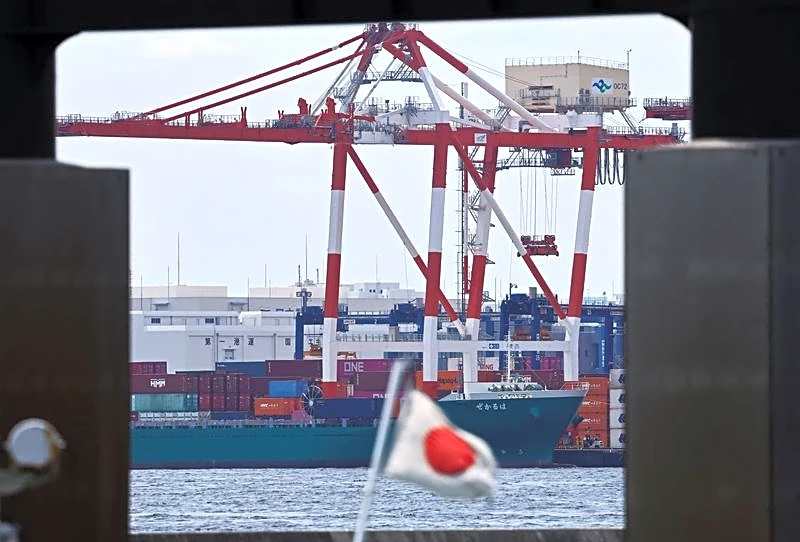
As semiconductor supply chains become more intricate and globally interconnected, the emphasis on speed and visibility in logistics strategies will intensify. Businesses are expected to further invest in advanced logistics solutions, such as real-time monitoring and AI-powered dashboards, to enhance supply chain control. The trend of geographic diversification in manufacturing and sourcing within APAC and globally is likely to continue, as companies seek to mitigate risks associated with geopolitical tensions and other disruptions. This could lead to new manufacturing hubs emerging or existing ones expanding, potentially altering global trade routes and logistics requirements. For logistics providers like FedEx, this means continued investment in network strengthening and specialized services to meet the evolving demands of the semiconductor industry. The ongoing build-out of AI infrastructure will sustain high demand for semiconductors and related components, influencing investment decisions and strategic partnerships across the technology sector.
Beyond the Headlines
The report's insights point to a broader transformation in global manufacturing and trade, driven by technological advancements like AI. The shift towards supply chain resilience reflects a growing awareness among businesses of the vulnerabilities inherent in highly optimized, but less robust, global networks. This could lead to a re-evaluation of globalization strategies, with a greater emphasis on regionalization and diversification to ensure stability. The increasing complexity of semiconductor supply chains also raises questions about intellectual property protection, cybersecurity, and the environmental impact of expanded manufacturing and logistics operations. Furthermore, the concentration of semiconductor production in APAC, particularly China, presents ongoing geopolitical considerations for the U.S. and its allies, potentially influencing future trade policies and strategic alliances aimed at securing critical technology supply chains.