







What's Happening?
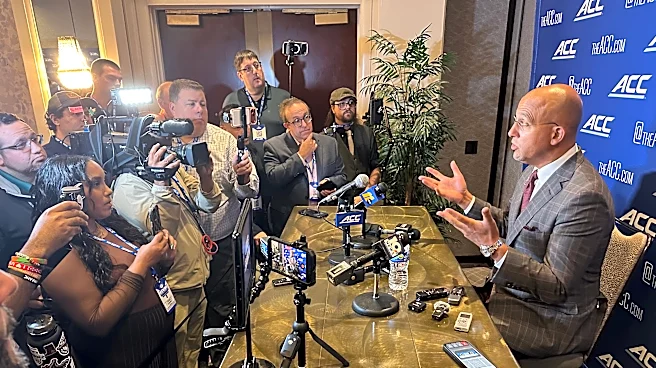
The Southeastern Conference (SEC) is preparing a contingency plan, referred to as 'Plan B', in response to potential legislative changes to the Protect College Sports Act. This plan involves the SEC moving towards self-governance, allowing the conference
to establish and enforce its own rules independently. This development comes as Congress deliberates on reforms to the Act, with SEC officials, including Commissioner Greg Sankey, discussing the plan with athletics directors and university presidents. The proposal aims to circumvent legal challenges that have historically affected the NCAA's amateurism rules. The SEC's consideration of self-governance reflects ongoing discussions about the future of college athletics, particularly in light of potential changes to postseason formats and conference alignments.
Why It's Important?
The SEC's move towards self-governance could significantly impact the landscape of college sports in the U.S. By establishing its own rules, the SEC may gain greater control over its operations, potentially leading to a more streamlined and efficient governance model. This shift could also influence other conferences to consider similar measures, thereby altering the traditional structure of college athletics. The potential for the SEC to form its own postseason playoff system highlights the growing desire for autonomy among major conferences. This development could lead to increased competition and innovation within college sports, benefiting athletes, institutions, and fans. However, it also raises questions about the future of the NCAA and its role in regulating college athletics.
What's Next?
As Congress continues to debate the Protect College Sports Act, the SEC will likely monitor legislative developments closely. If the Act is not amended to address the concerns of major conferences, the SEC may proceed with implementing its self-governance model. This could prompt other conferences to explore similar options, potentially leading to a significant restructuring of college sports governance. The outcome of these discussions will be crucial in determining the future direction of college athletics in the U.S. Stakeholders, including university leaders, athletic directors, and policymakers, will need to collaborate to ensure that any changes benefit the broader college sports community.