






What's Happening?
Tanzania is actively exploring partnerships to establish a railway locomotive manufacturing plant, as announced by President Samia Suluhu Hassan during her state visit to Uganda. This initiative is part of a broader strategy to strengthen local manufacturing and industrial
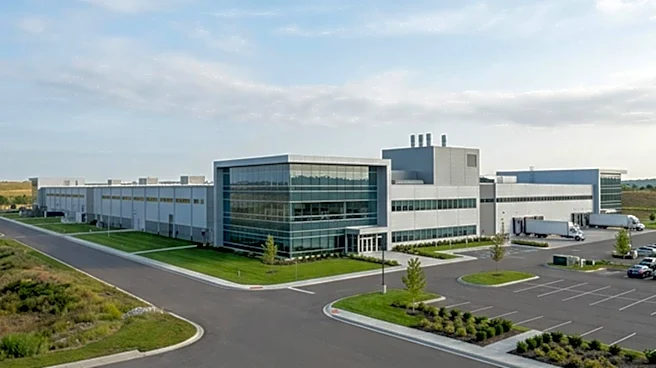
capacity within East Africa. President Hassan and President Yoweri Museveni of Uganda recently commissioned Double Q’s automotive assembly plant in Uganda, which has the capacity to assemble 4,000 trucks annually and plans to expand into vehicle parts and electric vehicles. Both leaders emphasized the importance of regional trade and manufacturing, advocating for a larger, cross-border market to benefit industrial development. President Museveni highlighted the potential of combining Uganda's iron ore resources with Tanzania's natural gas reserves to create greater economic opportunities. The discussions also touched upon the need for improved transport connections to facilitate the movement of manufactured goods across the region. This move aims to transition East African countries from consumers of imported goods to a regional production and marketing hub, encouraging local assembly and production.
Why It's Important?
This regional industrialization push, spearheaded by Tanzania and Uganda, signifies a strategic shift towards self-sufficiency and economic integration in East Africa. By establishing local manufacturing capabilities, such as a rail locomotive plant and expanding automotive assembly, the region aims to reduce its dependence on imported goods, create employment opportunities, and process its natural resources domestically. The emphasis on complementary industries rather than competitive ones, as exemplified by Sinotruk's operations in both Uganda and Tanzania, suggests a collaborative approach to building regional value chains. This could lead to a more robust and resilient East African economy, attracting further foreign investment and fostering technological transfer. The call for a harmonized approach to vehicle assembly and common regulations across East Africa is crucial for creating a seamless market and supporting the growth of ancillary industries. This strategy could ultimately enhance the region's global competitiveness and improve the living standards of its growing population.
What's Next?
Tanzania is expected to continue its search for suitable partners for the rail locomotive manufacturing plant, with further details on location and construction timelines anticipated. The East African Community (EAC) will likely see increased efforts towards harmonizing regulations for vehicle assembly and manufacturing to support the development of regional value chains. President Museveni and President Hassan's advocacy for a unified African market suggests ongoing diplomatic efforts to reduce trade barriers and foster greater economic cooperation among African nations. The Double Q plant in Uganda plans to expand into vehicle parts and electric vehicles, indicating a future focus on advanced manufacturing and sustainable transportation solutions. Additionally, the commitment to training engineers and skilled professionals, as well as increasing local sourcing of materials, points towards a long-term investment in human capital and local supply chain development within the region.
Beyond the Headlines
The initiative to establish a rail locomotive plant and expand automotive manufacturing in East Africa has deeper implications beyond immediate economic gains. It represents a significant step towards technological empowerment and industrial self-determination for the region. By moving beyond mere assembly to manufacturing parts and potentially developing electric vehicles, these countries are aiming to capture higher value in the production chain. This could lead to a virtuous cycle of innovation, skill development, and economic diversification. The emphasis on regional complementarity rather than competition also highlights a growing understanding of the benefits of collective action in a globalized economy. This approach could serve as a model for other developing regions seeking to build robust industrial bases and reduce their vulnerability to global supply chain disruptions. The long-term success of these ventures will depend on sustained political will, effective regional cooperation, and the ability to attract and retain skilled labor and investment.