





What's Happening?
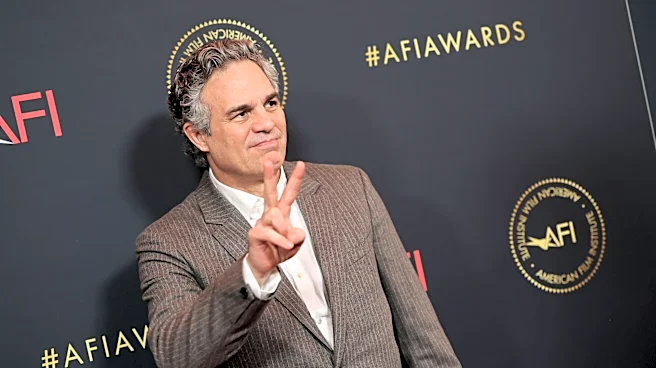
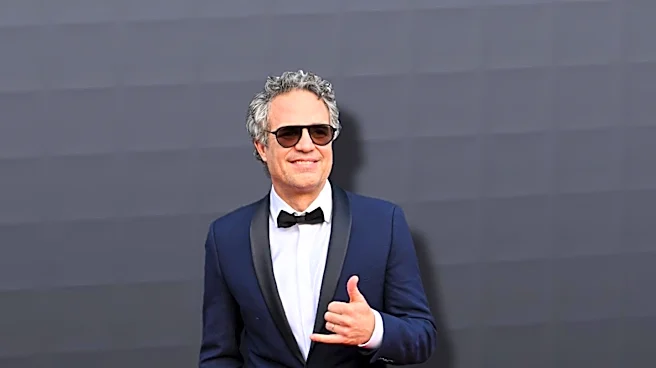
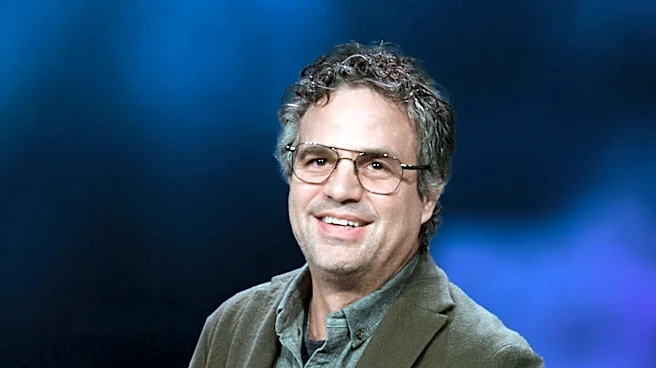
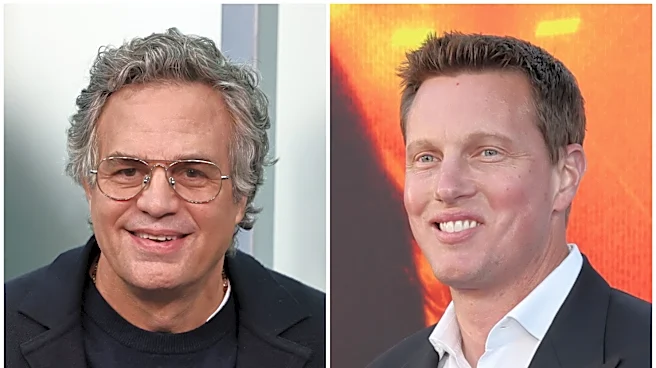
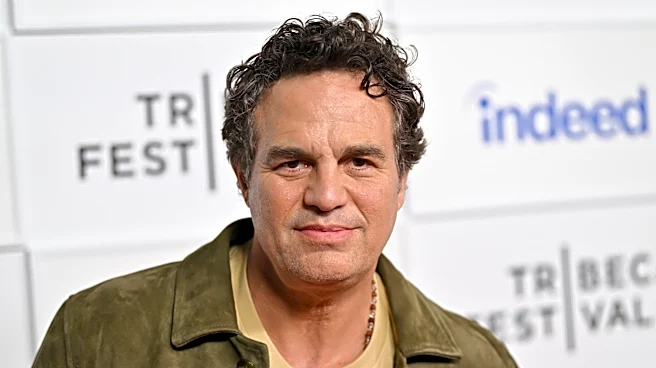
American actor and producer Mark Ruffalo is involved in an escalating antisemitism dispute with Paramount Pictures. The controversy began after Ruffalo posted on Instagram, alleging that Larry Ellison is using Oracle, a company he co-founded, to fund
his son David Ellison’s acquisition of Warner Bros. Ruffalo linked Oracle’s military technology contracts with Israel to this transaction. He shared an old video of an Oracle executive discussing technology provided to the Israeli military, stating that these technologies could be merged into a large media conglomerate and used on the public. Ruffalo, a vocal opponent of Paramount’s takeover of Warner Bros. and Israel’s actions in Gaza, used terms like “genocide” and “apartheid” in connection with the business deal, claiming it was built on an “apartheid system of oppression powered by Oracle.” Paramount responded by condemning Ruffalo’s use of these terms, calling them antisemitic tropes and stating that such language cheapens the suffering they are meant to describe. Ruffalo, however, rejected the accusation of antisemitism as “appalling and fundamentally dishonest,” asserting that criticizing the actions of the Israeli prime minister, military technology contracts, or executives is not equivalent to criticizing Jewish people.
Why It's Important?
This dispute highlights the increasing tension between artistic expression, corporate interests, and geopolitical issues within the U.S. entertainment industry. Mark Ruffalo's comments, linking a major corporate acquisition to the Israeli-Palestinian conflict and using strong terms like 'genocide' and 'apartheid,' reflect a growing trend among public figures to leverage their platforms for political advocacy. Paramount's swift condemnation underscores the sensitivity surrounding accusations of antisemitism, particularly in the context of business transactions and the broader U.S. media landscape. The involvement of the Simon Wiesenthal Center, which backed Paramount, further emphasizes the gravity of such accusations and the societal pressure on corporations to take a stance against perceived prejudice. This incident could influence how U.S. media companies navigate partnerships and acquisitions, potentially leading to increased scrutiny of the political and ethical implications of their business dealings. It also demonstrates the challenges faced by public figures in balancing their personal beliefs with their professional relationships, especially when those beliefs touch upon highly contentious international conflicts. The debate over what constitutes legitimate criticism versus antisemitism is a significant aspect of this controversy, impacting public discourse and corporate responsibility.
What's Next?
The immediate next steps in this dispute are likely to involve continued public statements from both Mark Ruffalo and Paramount Pictures, potentially escalating the rhetoric. Ruffalo may further elaborate on his stance, possibly garnering support from other public figures or activist groups who share his views on the Israeli-Palestinian conflict and corporate ethics. Conversely, Paramount, potentially with the backing of organizations like the Simon Wiesenthal Center, may reiterate its position and could face pressure to take further action, such as issuing formal reprimands or re-evaluating its relationship with Ruffalo, depending on the terms of any existing contracts. The proposed acquisition of Warner Bros. by David Ellison, which was the initial trigger for Ruffalo's comments, could also face increased public scrutiny, with activists potentially calling for boycotts or protests. This incident may also prompt other U.S. entertainment companies to review their internal policies regarding employee and talent conduct on social media, especially concerning politically sensitive topics. The broader conversation about antisemitism and criticism of Israel within the U.S. public sphere is likely to intensify, with this case serving as a prominent example.
Beyond the Headlines
This controversy delves into deeper implications concerning freedom of speech, corporate censorship, and the weaponization of terms like 'antisemitism' in public discourse. Mark Ruffalo's assertion that criticizing Israeli government actions or military contracts is not antisemitic, while Paramount and the Simon Wiesenthal Center argue otherwise, highlights a fundamental disagreement on the boundaries of acceptable criticism. This debate has significant ethical and cultural dimensions, as it touches upon how historical terms of immense suffering, such as 'genocide' and 'apartheid,' are applied to contemporary geopolitical situations. The incident also underscores the increasing pressure on U.S. corporations to align with specific political and ethical stances, moving beyond purely business-focused operations. The involvement of a major media acquisition further complicates matters, raising questions about the potential for media consolidation to influence public opinion and the ethical responsibilities of technology companies involved in military contracts. This case could set a precedent for how U.S. entertainment figures and corporations navigate highly sensitive international conflicts, potentially leading to a chilling effect on public commentary or, conversely, empowering more outspoken activism.