
What's Happening?
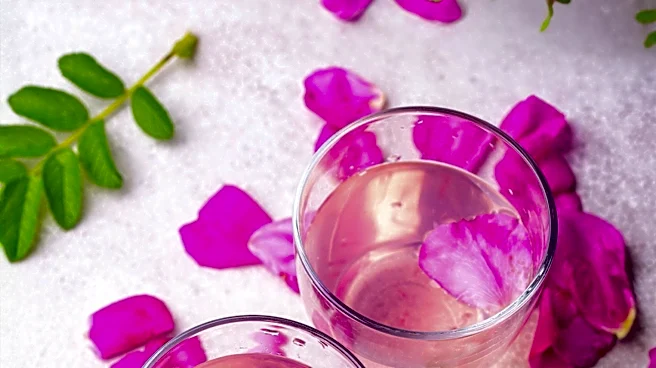
Kashmiril has published an article detailing the safety guidelines and health benefits of consuming food-grade rose water. The article emphasizes the importance of distinguishing between cosmetic and food-grade rose water, as the former contains additives
that can be harmful if ingested. Food-grade rose water is made through steam-distillation of organic Rosa damascena petals, ensuring it is safe for consumption. The article outlines potential health benefits, such as antioxidant and anti-inflammatory properties, and provides guidelines for safe consumption, recommending a dilution of 1 to 2 tablespoons in a full glass of water. It also warns against using florist roses due to pesticide risks and advises consulting healthcare providers before use during pregnancy.
Why It's Important?
The information provided by Kashmiril is crucial for consumers who may be unaware of the differences between cosmetic and food-grade rose water. Misuse of cosmetic rose water can lead to health issues due to the presence of synthetic additives. By educating consumers on the safe use of food-grade rose water, the article helps prevent potential health risks and promotes informed consumption. Additionally, the outlined health benefits, such as antioxidant support and digestive aid, highlight the potential positive impact on wellness routines. This guidance is particularly relevant for those interested in natural and holistic health practices.
What's Next?
Consumers are encouraged to verify product labels to ensure they are purchasing food-grade rose water. The article suggests starting with small, diluted amounts to gauge individual tolerance and consulting healthcare providers, especially for pregnant or nursing women. As awareness grows, there may be increased demand for organic and certified food-grade rose water products. Retailers and producers might respond by expanding their offerings to meet consumer interest in safe and beneficial natural products.
Beyond the Headlines
The article touches on the cultural and historical significance of rose water, which has been used in traditional medicine for centuries. This context adds depth to the modern resurgence of interest in rose water as a wellness product. The emphasis on organic sourcing and purity also reflects broader consumer trends towards sustainable and health-conscious purchasing decisions. As more people seek natural remedies, the demand for transparent and safe product labeling is likely to increase, influencing industry standards.