

What's Happening?
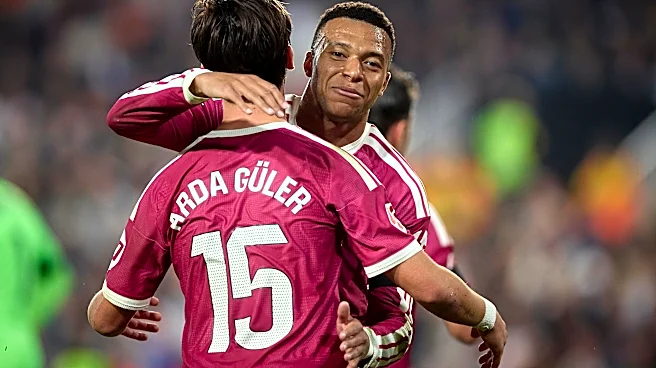
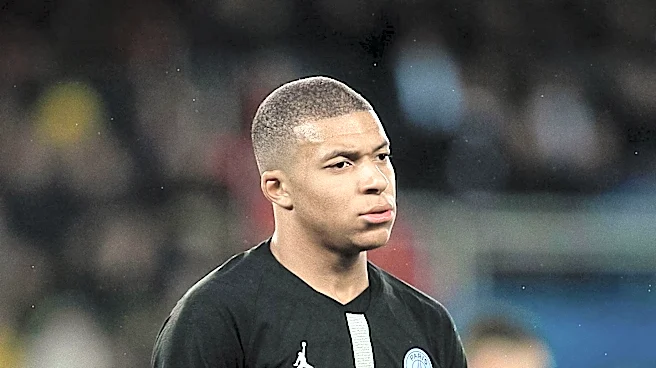
French football star Kylian Mbappé issued a trilingual apology on October 27 for comments he made regarding a meme depicting his face on Mao Zedong. Mbappé stated his reaction to the image was 'ill-judged' and expressed 'deep respect for the Chinese people
and their history.' This apology followed significant backlash in China, where his endorsement deals were terminated by Chinese sponsors for 'hurting national feelings.' The controversy escalated to the point where Chinese state media, including the China Media Group, demanded a formal apology from Mbappé and criticized his club, Real Madrid, for not disciplining him. La Liga, the Spanish football league, also expressed regret, with its president reportedly calling Mbappé's behavior 'unacceptable.' Consequently, broadcasts of all La Liga matches and Real Madrid's games have been suspended in China. The incident stemmed from an interview where Mbappé, when asked about his favorite meme of himself, cited one where his face was placed on 'the Chinese dictator [Mao Zedong],' which he admitted to using frequently with friends online.
Why It's Important?
This incident highlights the significant cultural and political sensitivities that international public figures must navigate when engaging with the Chinese market. The swift and severe reaction from Chinese sponsors, state media, and the government underscores China's zero-tolerance policy towards perceived disrespect of its historical figures and national sentiment. For athletes and brands, this event serves as a stark reminder that seemingly innocuous comments can lead to substantial financial and reputational damage in China, a crucial market for global sports and consumer goods. The suspension of La Liga broadcasts demonstrates the economic leverage China wields, impacting revenue streams for sports organizations. It also illustrates the broader challenge of cultural interpretation, where humor or casual remarks in one context can be deeply offensive in another, particularly concerning historical figures revered in China under its Heroes and Martyrs Protection Law.
What's Next?
The immediate future for Mbappé and Real Madrid in the Chinese market remains uncertain, with broadcast suspensions and terminated sponsorships indicating a prolonged period of strained relations. While Mbappé has apologized, the Chinese state media's continued rebuke suggests that a full restoration of his image and commercial ties may require further gestures or time. La Liga will likely continue efforts to mend relations with Chinese authorities and broadcasters to resume its lucrative media rights. Other international sports leagues and athletes will likely review their public relations strategies and cultural sensitivity training for their personnel, especially those with significant engagement in China. The incident may also prompt a broader discussion within the sports and entertainment industries about managing global brand images in politically and culturally diverse markets.
Beyond the Headlines
The controversy surrounding Mbappé's comments delves into deeper issues of historical memory, national identity, and freedom of expression versus cultural respect. In China, Mao Zedong is a foundational figure whose image is protected by law, making any perceived slight a serious offense. This contrasts with Western contexts where historical figures are often subject to satire or critical commentary. The incident also exposes the complexities of digital culture, where memes, often created without malicious intent, can cross cultural boundaries and trigger unforeseen diplomatic and commercial consequences. It underscores the power of social media and state-controlled media in shaping public opinion and driving boycotts in China. Furthermore, it highlights the ongoing tension between globalized entertainment and local cultural norms, forcing international entities to confront the ethical and practical challenges of operating in markets with differing values and political systems.