



What's Happening?
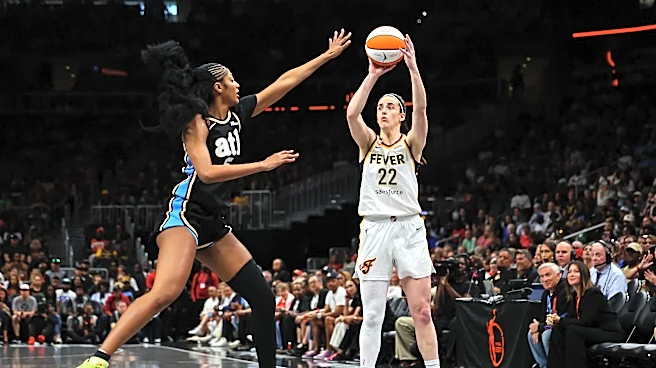
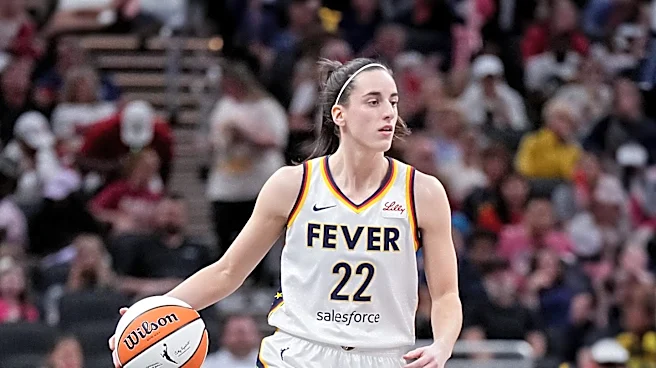
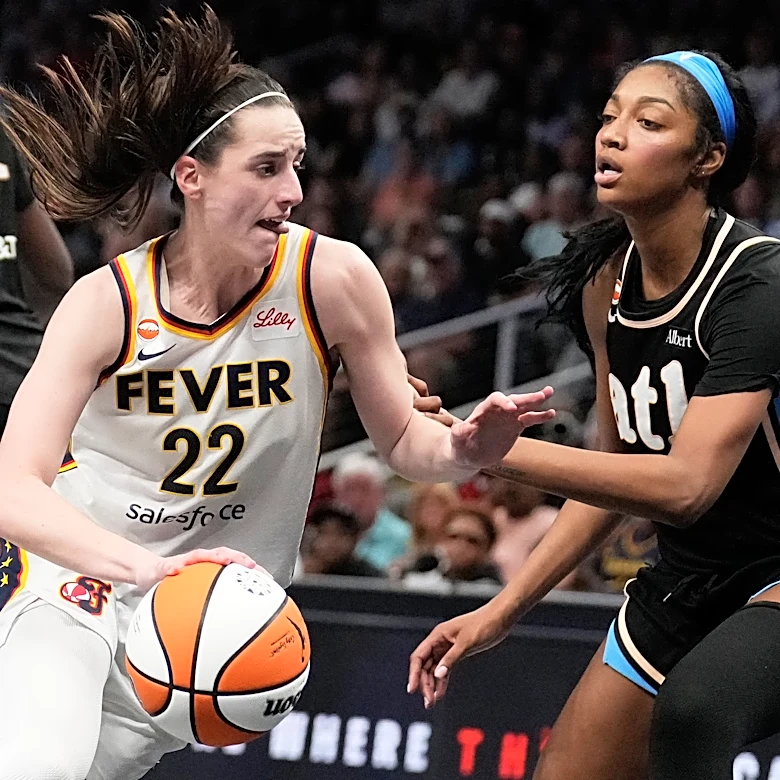
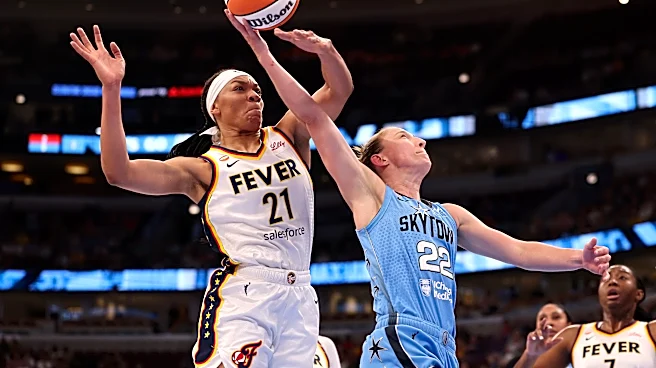
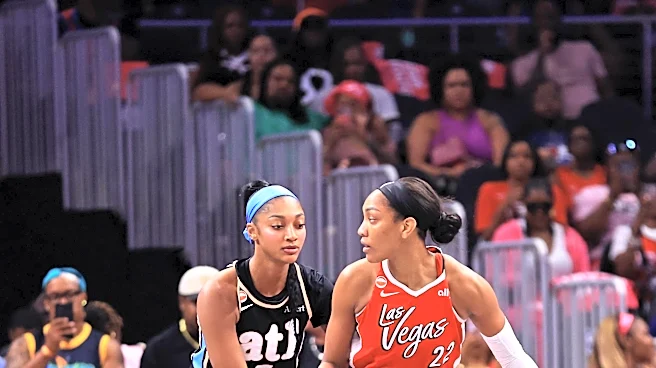
The WNBA has acknowledged an incident where two fans, a mother and daughter from Georgia, were instructed by league security to cover their 'XX-XY' shirts during an Indiana Fever vs. Atlanta Dream game on August 17 in Atlanta. The fans, Kasey Thomason
and her daughter Annie, were provided with Atlanta Dream shirts to cover their attire. XX-XY Athletics is a brand that advocates for the protection of women's sports and spaces, and has organized rallies in support of Indiana Fever star Sophie Cunningham, who has made public comments regarding transgender athletes in women's sports. The WNBA released a statement confirming that the fans 'should not have' been asked to cover their shirts, indicating that the actions taken by league security were inappropriate. The Atlanta Dream also issued a statement, clarifying that their personnel were not involved in the decisions made by WNBA security and emphasizing their commitment to creating a safe and inclusive environment for everyone.
Why It's Important?
This incident highlights the ongoing and sensitive debate surrounding transgender athletes' participation in women's sports, a discussion that has gained significant traction within the WNBA and broader sports community. The WNBA's swift acknowledgment and condemnation of its security's actions underscore the league's commitment to its stated values of inclusivity, as previously articulated in a statement from the Women's National Basketball Players Association (WNBPA) denouncing transphobia. The situation also brings to light the challenges sports organizations face in balancing diverse viewpoints among their fanbase while maintaining an inclusive atmosphere. The brand XX-XY Athletics, by actively engaging in this debate and organizing rallies, demonstrates a growing movement advocating for specific perspectives on gender and sports, which could influence fan engagement and public discourse around the league. The WNBA's response sets a precedent for how similar situations involving expressive attire and potentially contentious social issues will be handled in the future, impacting fan experience and the league's public image.
What's Next?
Following the WNBA's statement that the incident 'should not have happened,' it is likely that the league will review its security protocols and training regarding fan attire and freedom of expression at games. This review may lead to clearer guidelines for arena staff and security personnel to prevent similar incidents and ensure consistent application of policies across all venues. The WNBA and individual teams may also engage in further communication with fans and the public to reiterate their stance on inclusivity and address concerns raised by this event. The ongoing public discourse surrounding transgender athletes in women's sports, fueled by comments from players like Sophie Cunningham and advocacy groups like XX-XY Athletics, is expected to continue. This could lead to further discussions, policy considerations, or even protests at future WNBA games, as various stakeholders continue to voice their perspectives on these complex social issues within the context of professional sports.
Beyond the Headlines
The incident transcends a simple security misstep, touching upon deeper societal tensions regarding gender identity, free speech, and the evolving definition of fairness in sports. The 'XX-XY' shirts, while seemingly a biological reference, have become a symbol in a highly politicized debate, reflecting a broader cultural clash. The WNBA, by navigating this issue, is not just managing fan behavior but is also implicitly positioning itself within a larger national conversation about identity politics and human rights. The league's response, while aiming for inclusivity, also faces the challenge of satisfying all segments of its diverse fanbase, some of whom may hold opposing views on the matter. This event could contribute to a re-evaluation of how sports leagues manage political and social expressions by fans, potentially leading to more explicit policies on what is permissible in arenas. It also highlights the increasing pressure on public figures and organizations to take clear stances on social issues, as neutrality becomes increasingly difficult to maintain in a polarized environment.