




What's Happening?
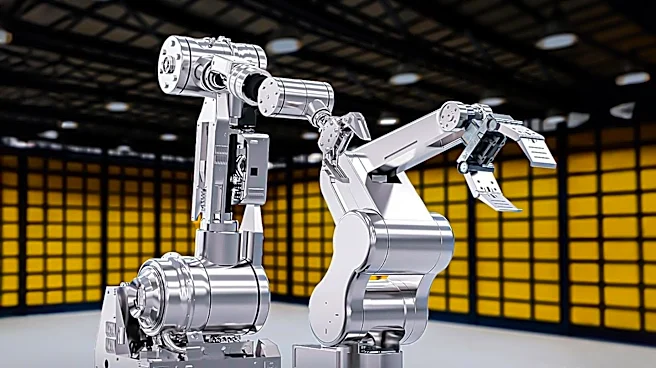
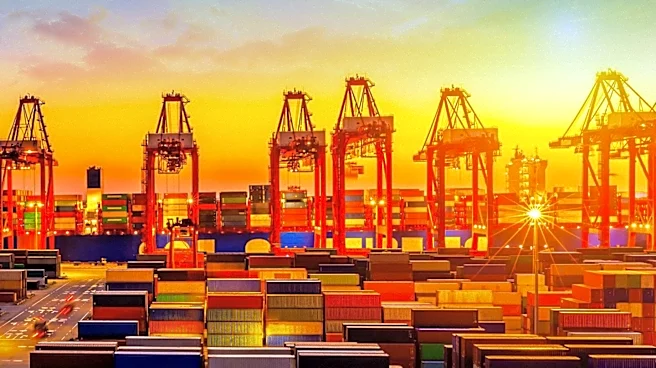
China has become the world's largest manufacturing power by 2025, surpassing traditional industrial leaders like the U.S. and the European Union. In 2005, the U.S. and EU accounted for nearly half of global manufacturing value added, but by 2025, China's
share had tripled to 27%. This shift is attributed to China's liberalization and accession to the World Trade Organization in 2001, which attracted multinational firms and significant manufacturing investment. Meanwhile, Japan's share of global manufacturing fell from 13% in 2005 to 5% in 2025. The U.S. and EU saw their combined share decline from 59% in 2005 to 39% in 2025.
Why It's Important?
China's rise as the leading manufacturing power has significant implications for global economic dynamics. The shift in manufacturing power reflects China's growing influence in global supply chains and its ability to attract foreign investment. This development challenges the traditional dominance of Western economies in manufacturing and may lead to shifts in trade policies and economic strategies. The decline in manufacturing shares for the U.S., EU, and Japan highlights the need for these economies to adapt to changing global economic conditions and explore new areas of competitive advantage.
What's Next?
As China continues to dominate global manufacturing, other countries may seek to strengthen their own manufacturing sectors through policy reforms and investment in technology and innovation. The U.S. and EU may focus on high-tech and advanced manufacturing to maintain competitiveness. Additionally, countries like India are looking to increase their share of global manufacturing by attracting more foreign investment. The ongoing shifts in manufacturing power will likely influence international trade relations and economic policies in the coming years.