





What's Happening?
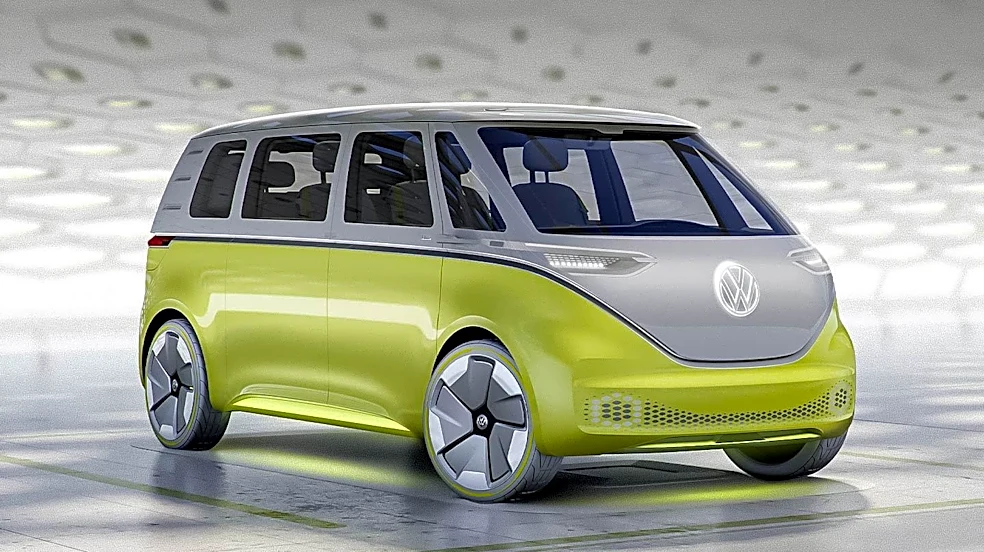
Volkswagen is planning a significant revamp for its ID.Buzz electric minivan, with the 2028 model year marking its re-entry into the U.S. market after sales were halted for 2026 and 2027. The original 2025 ID.Buzz faced challenges due to a high starting
price of $61,545, uncompetitive charging speeds, and limited range. The upcoming 2028 model will transition to the Volkswagen Group's new Scalable Systems Platform (SSP), replacing the older MEB architecture. This new platform aims to integrate updated electronics, software, and automated driving systems more easily, while also reducing costs through economies of scale. Additionally, the 2028 ID.Buzz will switch to more cost-effective lithium-iron-phosphate (LFP) batteries and incorporate software developed by RV Tech, a joint venture between Rivian and Volkswagen, which will feature a zonal software architecture to improve system response and reduce bugs.
Why It's Important?
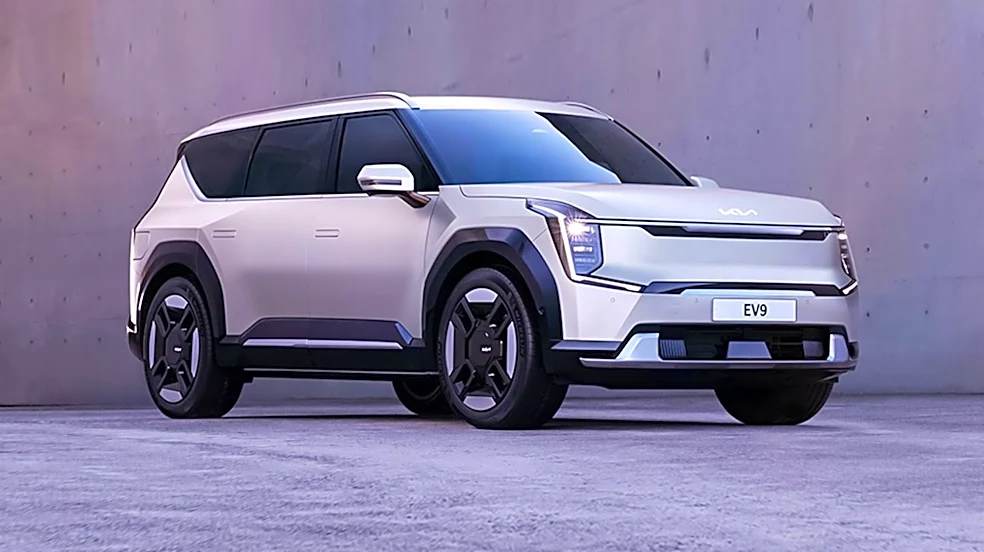
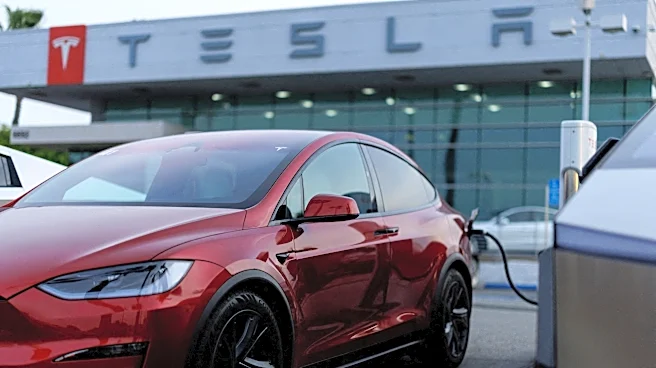
This overhaul of the ID.Buzz is critical for Volkswagen's electric vehicle strategy and its competitiveness in the U.S. market. The previous model's struggles highlighted the importance of competitive pricing, range, and charging infrastructure for EV adoption. By adopting the SSP platform and LFP batteries, Volkswagen aims to significantly reduce the vehicle's cost, with CEO Thomas Schäfer indicating a target U.S. MSRP closer to $50,000 to compete with rivals like the Honda Odyssey, Toyota Sienna, Kia EV9, and Tesla Model Y. The integration of Rivian-backed software is also a key development, potentially offering a more advanced and reliable user experience. Success with the 2028 ID.Buzz could bolster Volkswagen's EV sales and reputation in the U.S., a crucial market for electric vehicle growth, while failure could further impede its progress in the competitive EV landscape.
What's Next?
Volkswagen will continue development and testing of the 2028 ID.Buzz, focusing on optimizing the SSP platform, LFP battery performance, and the new software system. The company will need to finalize pricing strategies to ensure the vehicle is competitive upon its re-launch in the U.S. market. Marketing efforts will likely emphasize the improved range, charging capabilities, and advanced technology of the revamped model. The transition to more physical buttons in the interior, moving away from touch-capacitive controls, suggests a response to consumer feedback and a focus on user-friendliness. The success of the 2028 ID.Buzz will be closely watched as a barometer for Volkswagen's ability to adapt and innovate in the rapidly evolving electric vehicle sector.
Beyond the Headlines
The strategic decisions behind the 2028 ID.Buzz, particularly the adoption of the SSP platform and LFP batteries, reflect broader industry trends towards modular EV architectures and cost-effective battery technologies. The collaboration with Rivian for software development also highlights the increasing importance of software integration and partnerships in the automotive sector. This move by Volkswagen could set a precedent for how legacy automakers approach EV development, balancing innovation with cost efficiency to achieve mass market appeal. The emphasis on reducing the starting price to around $50,000 underscores the critical role of affordability in accelerating EV adoption in the U.S. The ID.Buzz's journey from initial struggle to a planned, technologically advanced re-launch offers insights into the challenges and opportunities within the electric vehicle revolution.