






What's Happening?
During the final practice session for the Brazilian Grand Prix, Lance Stroll, driving for Aston Martin, encountered a technical issue that significantly limited his track time. Stroll completed only seven laps before being forced to return his car to the garage.
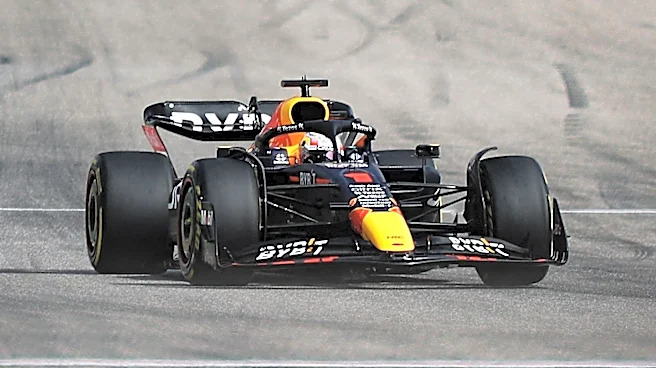
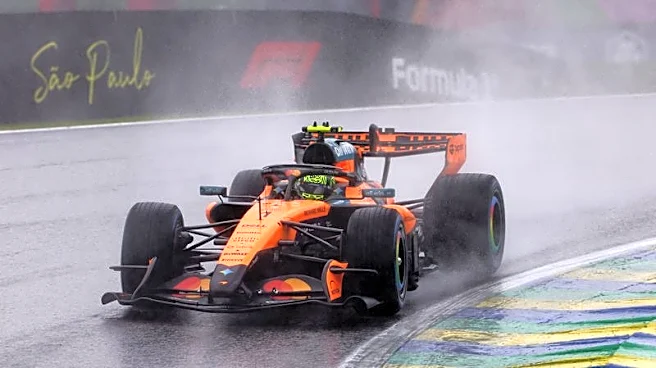
The problem prevented him from participating in the remainder of the session, impacting his preparation for qualifying. This incident occurred in a session where Max Verstappen of Red Bull topped the timings, despite facing a back-of-the-grid penalty for engine component changes. Several other frontrunners, including Ferrari drivers and George Russell, also faced penalties, setting the stage for a competitive qualifying session with altered grid positions. Stroll's early exit from practice means less data and setup refinement for his team ahead of crucial competitive runs.
Why It's Important?
Lance Stroll's limited participation in the final practice session is significant for Aston Martin's performance at the Brazilian Grand Prix. Reduced track time directly impacts a driver's ability to fine-tune car settings, understand tire degradation, and practice qualifying runs. This can lead to a disadvantage in qualifying, potentially placing Stroll further down the grid and making it harder to score points in the main race. For Aston Martin, every session is crucial for gathering data to optimize car performance and strategy, especially in a highly competitive Formula 1 season. The team will need to quickly diagnose and resolve the issue to ensure Stroll can perform optimally in subsequent sessions, as a strong showing in Brazil is vital for their constructors' championship standing.
What's Next?
Following the technical issue in practice, Aston Martin's immediate next step will be to thoroughly investigate and rectify the problem with Lance Stroll's car. The team will be working against the clock to ensure the car is in optimal condition for the upcoming qualifying session. Stroll will then need to adapt quickly during qualifying, potentially with less preparation than his competitors, to secure the best possible grid position. The performance in qualifying will largely dictate his race strategy and potential for points. The team will also analyze data from his limited laps and his teammate's performance to make informed decisions for the rest of the race weekend, aiming to mitigate the impact of the lost practice time.
Beyond the Headlines
The recurring theme of technical reliability issues in Formula 1 cars, as seen with Stroll's Aston Martin, highlights the immense engineering challenges and pressures within the sport. Teams constantly push the boundaries of performance, often leading to intricate and sometimes fragile components. Such incidents can have broader implications beyond a single race, affecting team morale, development priorities, and even sponsor confidence. For Aston Martin, ensuring consistent reliability is as crucial as raw pace for long-term success and challenging the top teams. These technical setbacks underscore the fine line between innovation and dependability that all F1 teams must navigate throughout a demanding season.