








What's Happening?
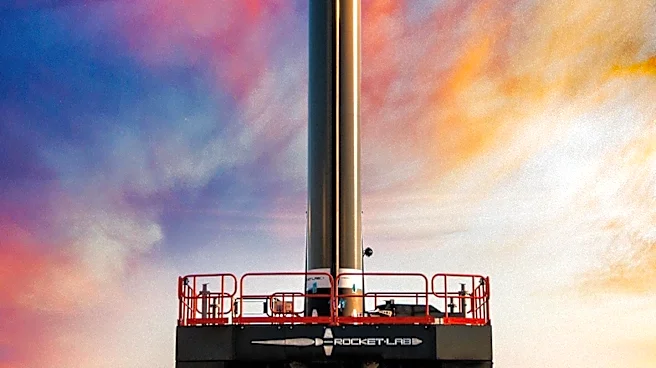
Rocket Lab, an end-to-end space company, is actively seeking an EDM Technician II for its Long Beach, California headquarters. This role is crucial for the manufacturing of precision components for Archimedes, the rocket engine powering the Neutron launch
vehicle. The Neutron is designed as a medium-lift, highly reusable launch platform intended to deliver mega constellations, high-assurance payloads, and facilitate human spaceflight. The EDM Technician II will be responsible for setting up and operating EDM machinery with precision, inspecting machined parts to ensure quality and dimensional specifications, and performing routine maintenance to optimize machine performance. Key duties also include selecting and loading appropriate programs, inputting necessary parameters into machine controls, and conducting regular cleaning and preventative maintenance. The position requires proficiency in reading and interpreting blueprints, a solid understanding of Geometric Dimensioning & Tolerancing (GD&T), and experience with precision measuring tools such such as calipers, height gauges, and indicators. Candidates should have at least two years of experience operating a Wire EDM machine and experience in R&D, prototyping, or high-mix manufacturing settings.
Why It's Important?
This job opening is significant for the U.S. aerospace industry, particularly in the context of advanced manufacturing and space exploration. The Neutron launch vehicle represents a critical development in Rocket Lab's strategy to provide cost-effective and reliable launch solutions, building on its success with the Electron program. The demand for skilled EDM technicians underscores the intricate and high-precision manufacturing processes required for modern rocket engines. The role contributes directly to the production of Archimedes, a revolutionary engine, which is vital for the Neutron's capabilities in deploying large satellite constellations and supporting human spaceflight missions. The emphasis on precision and quality control highlights the stringent standards necessary for aerospace components, where even minor deviations can have substantial consequences. Furthermore, the position's location in Long Beach, California, reinforces the region's role as a hub for aerospace innovation and manufacturing, potentially attracting specialized talent and fostering economic growth in the sector.
What's Next?
Rocket Lab will continue its recruitment efforts to fill this specialized position, aiming to integrate the new EDM Technician II into its manufacturing team. The successful candidate will immediately contribute to the production of critical components for the Neutron launch vehicle, which is currently under development. As the Neutron program progresses, Rocket Lab will likely expand its manufacturing capabilities and workforce, potentially creating more opportunities for skilled technicians in the future. The company's focus on a highly reusable launch platform suggests ongoing innovation and a long-term commitment to reducing the cost and increasing the frequency of space launches. Future developments will include further testing and eventual deployment of the Neutron vehicle, with the precision components manufactured by roles like the EDM Technician II being integral to these milestones. Rocket Lab's continued growth in the space sector will also influence the broader U.S. space economy, potentially driving demand for related engineering and manufacturing expertise.
Beyond the Headlines
The demand for highly specialized manufacturing roles, such as EDM Technician II, reflects a broader trend in the U.S. aerospace and defense industries towards advanced precision engineering. This trend is driven by the increasing complexity and performance requirements of next-generation space vehicles and defense systems. The skills required for this position, including expertise in Wire EDM machines, GD&T, and blueprint interpretation, are indicative of a growing need for a highly trained technical workforce. This highlights a potential skills gap in the U.S. manufacturing sector, where traditional manufacturing roles are evolving to incorporate more advanced technologies and processes. Investing in training and educational programs that focus on these specialized skills will be crucial for maintaining U.S. competitiveness in space exploration and advanced manufacturing. The development of reusable launch vehicles like Neutron also has significant environmental implications, as reusability can reduce the waste associated with single-use rockets, aligning with broader sustainability goals in the space industry.