







What's Happening?
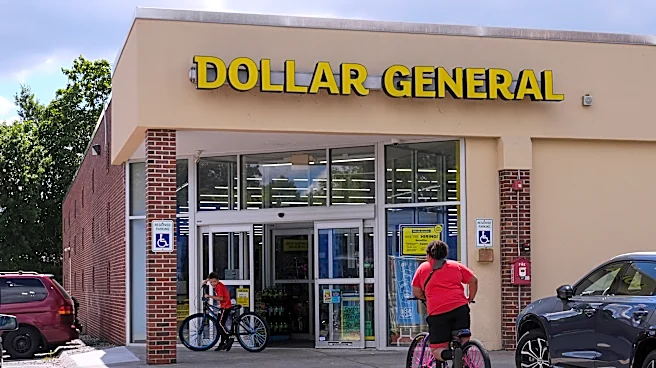
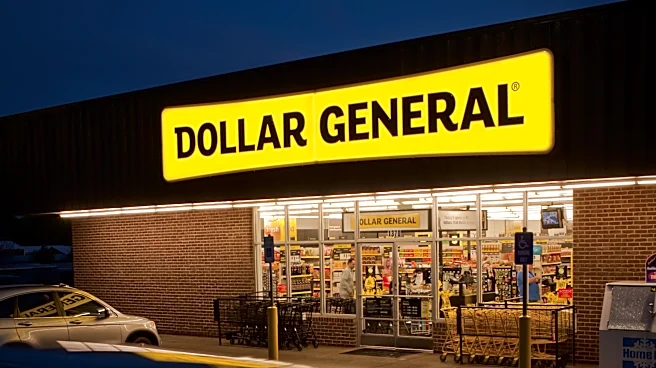
California, along with 19 other states, has joined a lawsuit filed by the Federal Trade Commission (FTC) against Dollar General. The lawsuit, submitted to the U.S. District Court for the Middle District of Tennessee, accuses the retail chain of engaging
in "long-running deceptive pricing practices." Specifically, the complaint alleges that Dollar General consistently charges customers higher prices at the register than those advertised on shelves and in advertisements. The FTC claims that Dollar General, which operates 21,000 stores nationwide, has failed to rectify this issue despite possessing "extensive corporate knowledge of the problem." The lawsuit highlights that understaffing contributes to the problem, as employees often lack the time to ensure shelf prices match register prices, even with corporate policies in place. Internal communications cited in the lawsuit indicate that company executives were aware of these discrepancies. Dollar General has denied the allegations, stating that their goal is 100% accuracy and that occasional discrepancies are addressed by store teams.
Why It's Important?
This lawsuit is significant because it addresses consumer protection and fair business practices on a national scale, impacting millions of American consumers, particularly those in communities served by Dollar General. The alleged overcharging practices disproportionately affect low-income individuals and families who rely on discount retailers for essential goods, potentially eroding their purchasing power and trust in retail pricing. The involvement of 20 states, including California, underscores the widespread nature of the issue and the collective effort to hold large corporations accountable. If the allegations are proven, it could lead to substantial financial penalties for Dollar General and mandate changes in their pricing and operational procedures, setting a precedent for other retailers. This case also highlights the challenges of maintaining pricing accuracy in large retail chains, especially in understaffed environments, and the potential for such issues to harm vulnerable consumers.
What's Next?
The lawsuit will proceed in the U.S. District Court for the Middle District of Tennessee, where the FTC and the coalition of states will present their evidence of Dollar General's alleged deceptive pricing practices. Dollar General is expected to continue to defend itself against these claims, as indicated by their public statement denying the allegations. The court proceedings will likely involve discovery, potentially revealing more internal communications and operational details regarding pricing discrepancies. Depending on the outcome, Dollar General could face significant fines, be compelled to implement stricter pricing accuracy measures, and potentially offer restitution to affected customers. This case may also prompt increased scrutiny of pricing practices across the retail sector, particularly among discount chains, leading to broader industry changes or new regulatory guidelines to protect consumers from similar issues.
Beyond the Headlines
Beyond the immediate legal battle, this case touches upon broader societal issues related to economic inequality and corporate responsibility. The alleged targeting of vulnerable communities, where Dollar General stores are often a primary retail option, raises ethical questions about how corporations operate in underserved areas. The issue of understaffing, cited as a contributing factor to pricing inaccuracies, also highlights the pressures on retail workers and the potential impact of labor practices on consumer experience and fairness. This lawsuit could spark a wider conversation about the role of discount retailers in low-income communities and the need for robust oversight to ensure fair treatment of all consumers. It also underscores the importance of consumer vigilance and the power of collective action by state and federal agencies to address systemic issues in the marketplace.