





What's Happening?
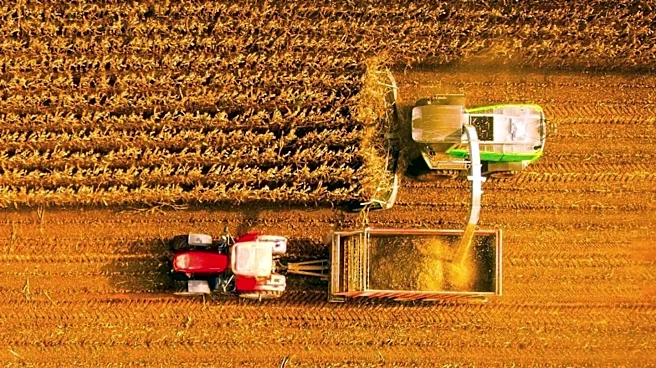
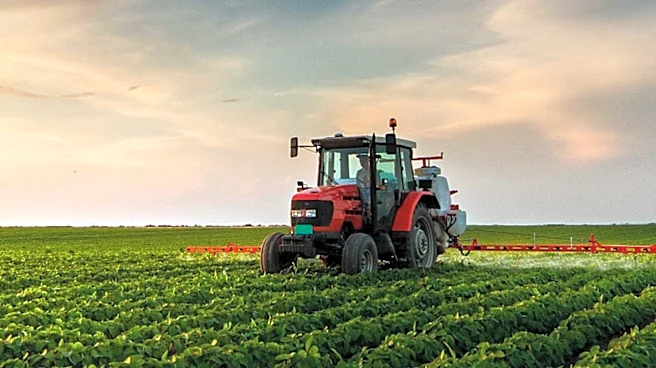
U.S. tenant farmers can obtain financing for essential farm equipment, such as tractors and combines, even without owning the land they cultivate. Lenders primarily evaluate the machinery itself as collateral, along with the farmer's business cash flow,
credit history, and the stability of their rented acreage. While land ownership is not a universal requirement, a written farmland lease is crucial for demonstrating consistent access to productive land, which reassures lenders about the farmer's ability to generate income for repayment. The financing terms, including approval and repayment schedules, depend on the specific provider and the farmer's financial profile. This flexibility allows many farmers to operate successful agricultural businesses by renting land and investing in necessary machinery.
Why It's Important?
This financing option is vital for tenant farmers, who represent a significant portion of the U.S. agricultural sector. It enables them to acquire modern equipment, which is essential for efficiency, productivity, and competitiveness, without the prohibitive cost of land ownership. The ability to finance equipment based on the machinery's value and the farmer's operational stability democratizes access to agricultural technology. This is particularly important for new and beginning farmers who may not have the capital to purchase land. By supporting tenant farmers, this financing model helps maintain a diverse agricultural landscape, prevents consolidation, and ensures that farming remains a viable livelihood for those who choose not to or cannot own land.
What's Next?
Tenant farmers seeking equipment financing should prepare a comprehensive application package that includes business and ownership information, written farmland lease records, farm financial statements, and production history. Lenders will scrutinize the stability of rented acreage, so clear, written leases with defined terms are highly beneficial. Farmers should also consider financing options that align payment schedules with seasonal income flows, such as annual or semi-annual payments, if available. Additionally, exploring USDA Farm Service Agency (FSA) loans, which are designed to support both owner-operators and tenant-operators, can provide further avenues for financing. Understanding the nuances of equipment loans versus leases and comparing offers from various providers will be crucial for making informed financial decisions.
Beyond the Headlines
The availability of equipment financing for tenant farmers highlights a broader trend in modern agriculture where operational capacity is increasingly decoupled from land ownership. This model can foster innovation and entrepreneurship by lowering the barrier to entry for individuals passionate about farming but lacking significant capital for land acquisition. However, it also underscores the importance of robust legal frameworks for land leases, ensuring fair terms and stability for tenant farmers. The reliance on equipment as collateral also means that lenders must accurately assess the value and lifespan of agricultural machinery. This approach could lead to more specialized financial products tailored to the unique needs of tenant farmers, further strengthening this segment of the agricultural economy and contributing to the overall resilience of the U.S. food system.