



What's Happening?
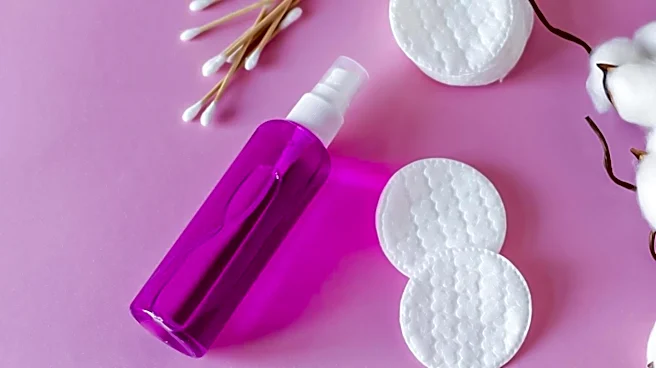
Many conventional eye makeup removers, even those marketed as 'gentle' or at premium price points, contain aggressive preservatives such as Benzalkonium Chloride (BAK) and Methylparaben. These ingredients are often used due to their low cost and effectiveness
in preventing bacterial growth in water-based products. However, BAK is identified as a known ocular toxin that can destabilize the tear film, leading to chronic dry eyes, irritation, and stinging. Methylparaben is a frequent sensitizer for individuals prone to eczema or blepharitis around the eyelids. The term 'clean beauty' and 'gentle' are unregulated marketing terms, allowing brands to use them even when products contain potentially irritating ingredients. Modern, ingredient-conscious formulations for sensitive eyes are moving away from these harsh chemicals, investing in premium preservation methods that prioritize safety without causing adverse reactions.
Why It's Important?
This issue is significant for consumer health and product transparency in the U.S. beauty market. The use of aggressive preservatives in eye makeup removers, particularly those labeled 'gentle,' highlights a gap between marketing claims and actual product formulations. Consumers, especially those with sensitive eyes or conditions like eczema, may unknowingly expose themselves to irritants, leading to discomfort and potential long-term eye health issues. This situation also underscores the lack of strict regulatory definitions for terms like 'clean' and 'gentle' in the beauty industry, which can mislead consumers. It emphasizes the need for consumers to scrutinize ingredient lists rather than relying solely on front-label marketing, pushing for greater transparency from beauty brands and potentially influencing future regulatory discussions on cosmetic labeling.
What's Next?
As consumer awareness of ingredient lists grows, there will likely be increased pressure on beauty brands to reformulate products, particularly those for sensitive areas like the eyes, to exclude aggressive preservatives. This could lead to a wider adoption of alternative, gentler preservation methods across the industry. Consumers may also demand clearer and more regulated definitions for marketing terms like 'clean' and 'gentle' to ensure product claims accurately reflect their formulations. Advocacy groups and dermatologists may continue to educate the public on the importance of reading ingredient labels. This shift could drive innovation in cosmetic science towards safer and more effective preservation technologies, ultimately benefiting consumers with more genuinely gentle and non-irritating eye care products.
Beyond the Headlines
The prevalence of aggressive preservatives in 'gentle' eye makeup removers points to a broader ethical dilemma within the beauty industry: the balance between cost-effectiveness, product stability, and consumer well-being. This practice highlights how economic pressures can sometimes override health considerations, especially when regulatory oversight is limited. It also exposes the power of marketing language to shape consumer perceptions, often creating a false sense of security. The issue encourages a deeper critical engagement with product claims and fosters a culture of informed consumerism, where individuals are empowered to make choices based on scientific understanding rather than marketing hype. This could contribute to a more ethical and transparent beauty landscape, where brands are incentivized to prioritize consumer health and ingredient integrity.