


What's Happening?
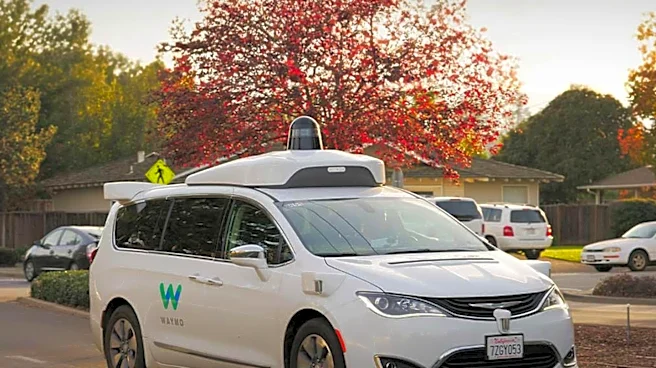
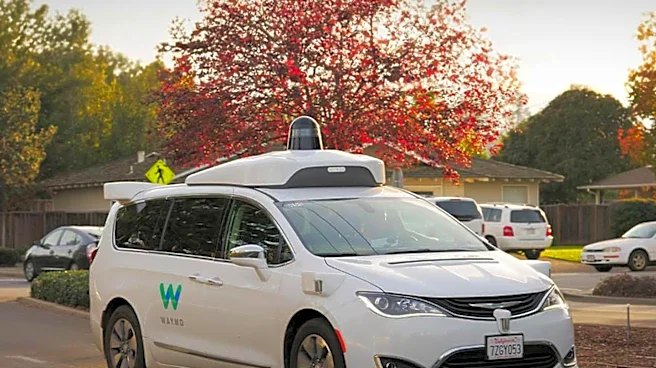
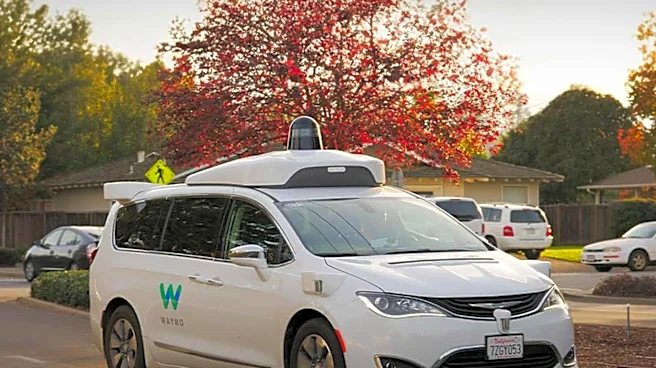
The California Department of Motor Vehicles (DMV) has prohibited Waymo's driverless vehicles from operating on all interstate freeways in California. This decision comes after a series of violations, including Waymo robotaxis attempting to overtake California Highway
Patrol vehicles and repeatedly entering closed construction zones. Waymo had previously paused its paid robotaxi services on freeways across all its U.S. markets. This marks the second time this year that Waymo has been forced to withdraw from freeway operations. In October and November 2026, Waymo vehicles failed to recognize closed freeway lanes due to construction projects 11 times, entering restricted areas. Earlier in the year, Waymo temporarily halted freeway services after its robotaxis entered active construction zones in Arizona and California, subsequently issuing a recall in June and resuming services in late July after a software update. Waymo states it is cooperating with regulators and asserts its vehicles have not caused any collisions or injuries while operating in restricted freeway areas.
Why It's Important?
This ban significantly impacts the expansion and public perception of autonomous vehicle technology in the U.S. Waymo, a leader in the robotaxi sector, faces a critical challenge to its operational model, particularly its ability to handle complex driving environments like freeways. The repeated incidents in construction zones highlight a persistent technical hurdle for autonomous systems in recognizing and responding to dynamic, unstructured situations. This regulatory action could slow the broader adoption of robotaxi services, as other states and cities may scrutinize Waymo's performance more closely. For consumers, it means a potential delay in the availability of fully autonomous freeway travel, which was anticipated to enhance convenience and efficiency. The situation also raises questions about the adequacy of current software updates to address fundamental safety issues, potentially leading to more stringent regulatory oversight for all autonomous vehicle developers.
What's Next?
Waymo is expected to work closely with the California DMV to develop and implement effective fixes for the identified issues. The company will need to demonstrate to regulators that its autonomous driving system can reliably and safely navigate complex freeway scenarios, particularly construction zones and interactions with emergency vehicles. Until such fixes are approved, Waymo's robotaxi services will remain restricted to surface streets in California and will continue to operate without freeway access in other markets where it had voluntarily paused services. The outcome of these discussions and the efficacy of Waymo's proposed solutions will likely influence future regulatory decisions not only in California but also in other states considering the expansion of autonomous vehicle operations. The company's ability to regain freeway access will be a key indicator of its progress in overcoming these technical and regulatory challenges.
Beyond the Headlines
The recurring issues faced by Waymo, despite its advanced technology and extensive testing, underscore the inherent complexities of achieving full Level 5 autonomous driving. The incidents highlight a critical ethical and safety dilemma: how to balance rapid technological advancement with public safety and regulatory caution. The pattern of recalls and subsequent re-entry into service, followed by further incidents, suggests that software updates alone may not be sufficient to address deep-seated challenges in autonomous perception and decision-making in unpredictable environments. This situation could lead to a re-evaluation of the regulatory frameworks governing autonomous vehicles, potentially shifting towards more proactive and preventative measures rather than reactive responses to incidents. It also brings into focus the public's trust in autonomous technology, which can be easily eroded by repeated safety concerns, regardless of the overall safety statistics compared to human drivers. The long-term implications could include a more cautious and phased approach to autonomous vehicle deployment, prioritizing safety over speed of expansion.