






What's Happening?
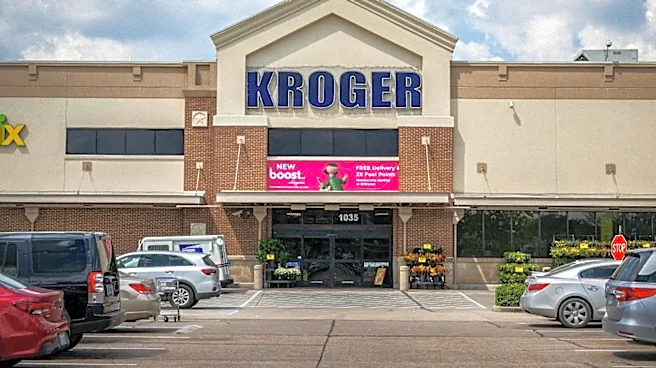
The Kroger Co. is significantly expanding its direct-sourcing capabilities as a core component of its long-term strategy. This initiative aims to improve supply chain visibility, reduce operational costs, and increase control across its business operations.
Announced at an October 20th analyst and investor day conference, Kroger plans to increase the percentage of goods sourced directly from manufacturers and producers from less than 1% to over 10% over time. By establishing direct relationships with suppliers, the retailer seeks to streamline procurement processes, enhance transparency, and decrease its reliance on intermediaries. This strategic shift is expected to be a key driver in delivering greater value to customers and supporting the company's sustainable growth objectives. Kroger is also setting up international sourcing hubs, with its first local hire already made in South America and plans to expand into Asia starting in 2027, to bolster its global sourcing network.
Why It's Important?
Kroger's accelerated direct-sourcing strategy is a critical move for the U.S. grocery giant, aiming to generate substantial long-term savings and improve its competitive position. This initiative is a cornerstone of Kroger's broader cost-reduction program, which targets $4 billion in annualized savings by 2029. Approximately $2 billion of these savings are projected to come from a lower cost of goods through more strategic purchasing, improved supplier negotiations, and enhanced sourcing efficiencies. By taking greater control of its supply chain, Kroger can potentially mitigate risks associated with global disruptions, improve product availability, and offer more competitive pricing to consumers. This strategy could also influence other large retailers to re-evaluate their supply chain models, potentially leading to broader shifts in procurement practices across the U.S. retail sector. Suppliers, particularly smaller ones, might face new dynamics in their relationships with Kroger as the company centralizes and streamlines its sourcing.
What's Next?
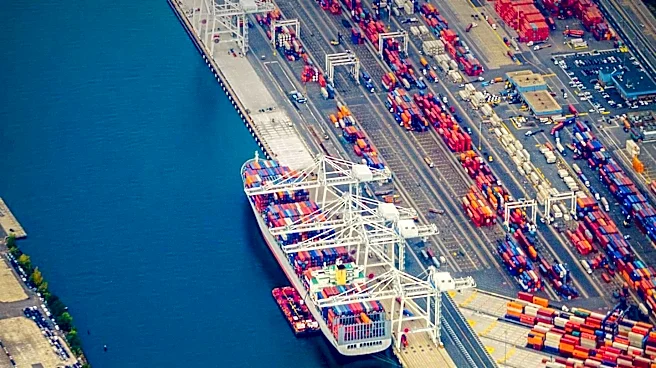
Kroger is moving towards a fully owned import and distribution model, which will allow the company to manage more of its supply chain directly. This approach is anticipated to boost efficiency, provide greater insight into sourcing operations, and enable the retailer to respond more effectively to evolving consumer demands and market conditions. The establishment of international sourcing hubs, with initial steps taken in South America and planned expansion into Asia by 2027, indicates a sustained investment in building a robust global sourcing network. These investments are designed to strengthen supplier partnerships and enhance product sourcing capabilities, creating greater flexibility across the supply chain. The company's progress in launching these hubs with spokes in key sourcing locations suggests a methodical implementation of its long-term vision for a more integrated and controlled supply chain.
Beyond the Headlines
This strategic pivot by Kroger towards direct sourcing has deeper implications beyond immediate cost savings. It represents a significant shift in how large U.S. retailers might manage their global supply chains, potentially leading to increased vertical integration and reduced reliance on third-party distributors. This could reshape the landscape for food and consumer goods suppliers, favoring those who can establish direct relationships and meet the stringent requirements of a major retailer. Furthermore, by enhancing supply chain visibility, Kroger could gain better control over ethical sourcing and sustainability practices, which are increasingly important to consumers. The move also highlights a broader trend in retail to build resilience against global supply chain shocks, a lesson learned from recent disruptions. This could set a precedent for how other U.S. companies approach their international procurement, emphasizing control and efficiency over traditional intermediary models.