





What's Happening?
China's sulphuric acid exports plummeted by 99% in June 2026, causing significant disruptions in global supply chains for battery metals. This decline is attributed to China's decision to prioritize domestic fertiliser production amid disruptions in sulphur import
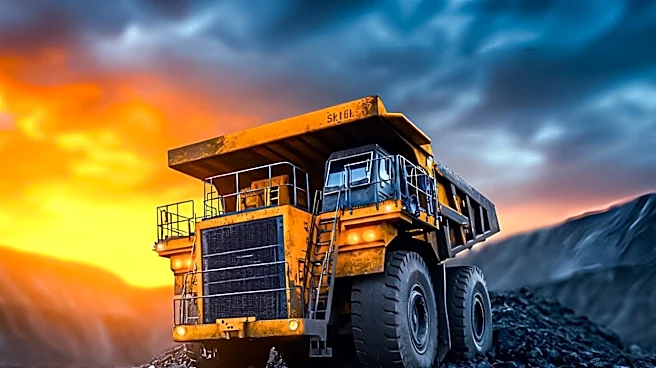
supply chains from the Middle East. The export ban has left major mining operations, particularly in Chile and Indonesia, scrambling for alternative acid supplies. Sulphuric acid is a critical component in the extraction of copper and nickel, essential for battery production. The sudden reduction in Chinese exports has led to increased competition for limited alternative supplies from countries like Japan and South Korea.
Why It's Important?
The drastic reduction in China's sulphuric acid exports highlights the fragility of global supply chains for critical industrial chemicals. This development poses a significant risk to the production of battery metals, which are vital for the electric vehicle industry and renewable energy technologies. Countries heavily reliant on Chinese acid, such as Chile and Indonesia, face potential output constraints, which could lead to increased costs and supply shortages in the global market. The situation underscores the need for diversification of supply sources and investment in domestic production capabilities to mitigate such risks in the future.
What's Next?
Countries affected by the export ban will likely accelerate efforts to secure alternative acid supplies and invest in domestic production capabilities. This may involve long-term capital commitments to build new sulphur-burning acid plants. The global market may also see a realignment of sulphuric acid supply chains, with increased reliance on producers in Japan, South Korea, and the Middle East. The situation could lead to sustained high prices for sulphuric acid and increased costs for battery metal production, impacting the broader electric vehicle and renewable energy sectors.