






What's Happening?
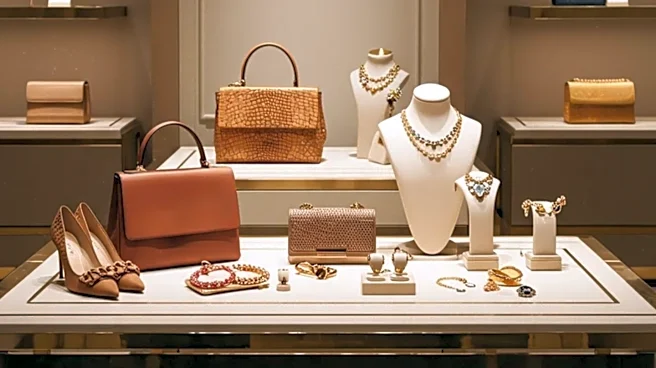
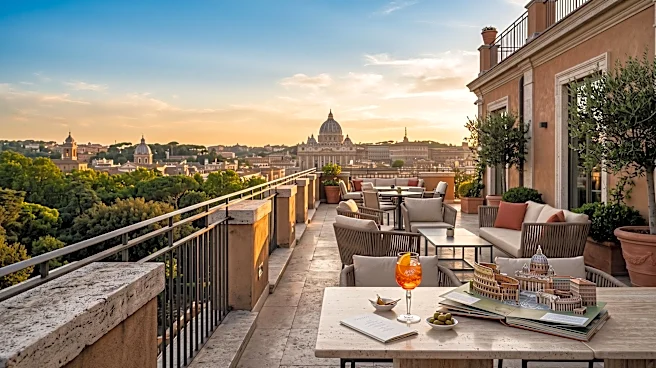
Luxury brands are increasingly moving beyond selling individual products to creating entire immersive 'worlds' for consumers. This expansion includes fashion-branded cafés, hotels, and even residential properties designed around established luxury marques.
The strategy aims to extend consumer relationships beyond mere ownership, offering engagement opportunities in dining, travel, leisure, and everyday living. This shift is driven by affluent consumers' growing preference for experiences over material possessions, as indicated by McKinsey's 2026 survey showing travel ranked above all luxury product categories for discretionary spending. Deloitte's Global Powers of Luxury 2026 survey also found that luxury travel and hospitality have the strongest growth potential, with customer experience and loyalty being key growth opportunities. Brands like Louis Vuitton, Gucci, Bvlgari, and Armani are developing destinations that integrate their heritage and aesthetic into broader cultural and lifestyle experiences, such as exhibitions, fine dining, and bespoke hospitality services. This allows brands to participate in more of their customers' spending decisions and cultivate long-term relationships.
Why It's Important?
This strategic shift by luxury brands signifies a fundamental evolution in how they engage with affluent consumers and compete for discretionary spending. By creating immersive environments, brands aim to build deeper, more enduring relationships that are not solely dependent on transactional purchases. This approach allows them to capture a larger share of the luxury market, as consumers increasingly prioritize experiences. The expansion into hospitality and branded residences also offers new revenue streams and strengthens brand loyalty by integrating the brand identity into consumers' daily lives. For consumers, it means a more holistic and integrated luxury experience, where the brand's ethos extends from a handbag to a hotel stay or even a home. However, this also raises the stakes for brands, as they must maintain consistent quality and authenticity across diverse categories, ensuring that the experience remains distinctive even without overt branding. The success of these ventures will depend on their ability to deliver compelling experiences that justify repeat visits and uphold the brand's reputation.
What's Next?
The trend of luxury brands creating immersive worlds is expected to continue and intensify. More fashion, automotive, and lifestyle companies are projected to enter the branded residential market, with non-hotel brands' share of supply increasing significantly by 2028. Brands will likely further refine their strategies to integrate cultural programming, unique dining experiences, and personalized services into their physical spaces. Partnerships with experienced operators in hospitality and real estate will become crucial for luxury brands to navigate the complexities of these new ventures while maintaining their core identity and service standards. The focus will be on creating experiences that are compelling enough to foster long-term engagement and loyalty, moving beyond novelty to deliver genuine value. Brands will also face the challenge of balancing expansion with exclusivity, ensuring that increased accessibility through diverse offerings does not dilute their distinctiveness. The industry will closely watch how brands manage operational execution and maintain authenticity across these varied extensions.
Beyond the Headlines
The expansion of luxury brands into 'entire worlds' reflects a deeper cultural shift where identity and lifestyle are increasingly intertwined with consumption. This trend blurs the lines between product, service, and experience, transforming luxury from mere ownership into a comprehensive way of living. Ethically, it raises questions about the extent to which brands can permeate and shape personal environments and daily routines. Legally, it may lead to new challenges in intellectual property and brand protection across diverse sectors like real estate and hospitality. Culturally, it signifies a move towards a more curated and branded existence for affluent consumers, where every aspect of their life, from dining to dwelling, can be an extension of a luxury marque. This could lead to a homogenization of high-end experiences, or conversely, foster unique brand-specific subcultures. The long-term implication is a potential redefinition of luxury itself, moving from tangible goods to intangible experiences and environments that offer a sense of belonging and curated identity.