







What's Happening?
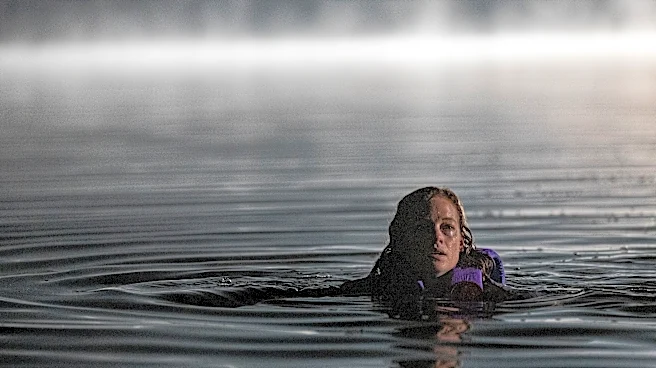
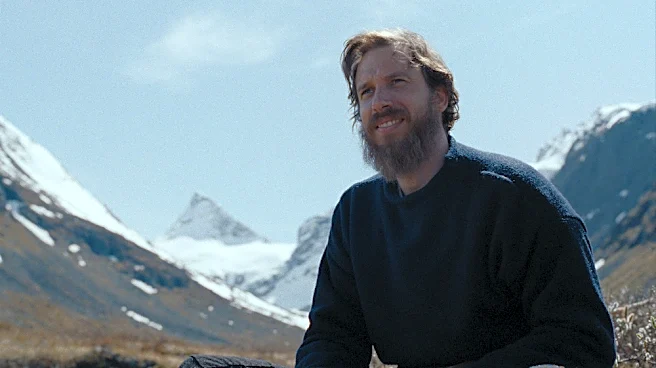
Rwandan filmmaker Marie-Clementine Dusabejambo, whose debut feature film "Ben'imana" won the Camera d'Or at this year's Cannes Film Festival, has officially signed with Creative Artists Agency (CAA). "Ben'imana" was recognized as the best first feature at the 2026
Cannes edition and also received the Fipresci Prize for the Un Certain Regard section. This marks a significant milestone as it was the first film by a Rwandan director to be included in the Cannes Official Selection. The film, which took a decade to produce, is a co-production involving Rwanda, Gabon, France, and Norway, with 90% of its crew sourced from Rwanda's local film industry. Following its success at Cannes, "Ben'imana" was selected by Rwanda as its inaugural entry for the best international feature category at the 99th Academy Awards and has also secured a nomination for best international feature at the Gotham Film Awards. The film has continued its festival run, appearing at Toronto, the BFI London Film Festival, and AFI Fest.
Why It's Important?
This signing with CAA is a pivotal moment for Marie-Clementine Dusabejambo, signaling increased international recognition and opportunities for her work within the global film industry. CAA's representation can significantly elevate her profile, potentially leading to larger projects, broader distribution deals, and collaborations with prominent figures in Hollywood. For Rwandan cinema, this development is immensely important as it shines a spotlight on the country's burgeoning film industry and its talent. Dusabejambo's success with "Ben'imana" and subsequent representation by a major agency like CAA can inspire and pave the way for other African filmmakers to gain international traction. It also highlights a growing trend of global film markets recognizing diverse voices and narratives, enriching the cinematic landscape with unique perspectives that might otherwise remain underexposed. The film's journey from a decade-long production to international acclaim underscores the perseverance and artistic merit present in emerging film industries.
What's Next?
With CAA now representing Marie-Clementine Dusabejambo, the immediate next steps will likely involve strategic planning for her career trajectory. This could include securing distribution deals for "Ben'imana" in broader markets, particularly in the U.S., where Alexander holds the rights. CAA will also likely focus on identifying and developing her next directorial projects, potentially connecting her with producers, screenwriters, and studios interested in her unique vision. Her nomination for the Gotham Film Awards and selection for the Academy Awards' international feature race will keep "Ben'imana" in the spotlight, generating further buzz and critical attention. This increased visibility could lead to more festival invitations, special screenings, and discussions about the film's themes and production. Furthermore, Dusabejambo's involvement as an archivist on Steven Spielberg and Alex Gibney's documentary series "Why We Hate" suggests a breadth of experience that CAA could leverage for future documentary or narrative projects.
Beyond the Headlines
Marie-Clementine Dusabejambo's journey from teaching herself filmmaking in a neighborhood collective in Kigali to winning a major award at Cannes and signing with CAA represents a powerful narrative of artistic perseverance and the global reach of talent. Her success challenges traditional notions of where cinematic excellence originates, demonstrating that compelling stories and skilled filmmakers can emerge from any part of the world, regardless of established industry hubs. The fact that 90% of her film's crew was local to Rwanda also highlights the potential for sustainable film industries to develop in regions often overlooked by mainstream cinema. This development could encourage more investment in local film infrastructure and training programs in Rwanda and other African nations. Ethically, her rise underscores the importance of diverse representation both in front of and behind the camera, offering audiences new perspectives and fostering a more inclusive global film culture. Her work on "Why We Hate" also suggests a commitment to exploring complex social and historical themes, indicating a filmmaker with a profound artistic vision.