





What's Happening?
Porsche AG has introduced a new nine-year strategic plan, dubbed 'Sportwagenschmiede ’35,' at its Capital Markets Day held at the Weissach Development Centre. This comprehensive plan aims for a long-term operating return on sales target of 15% and an Automotive
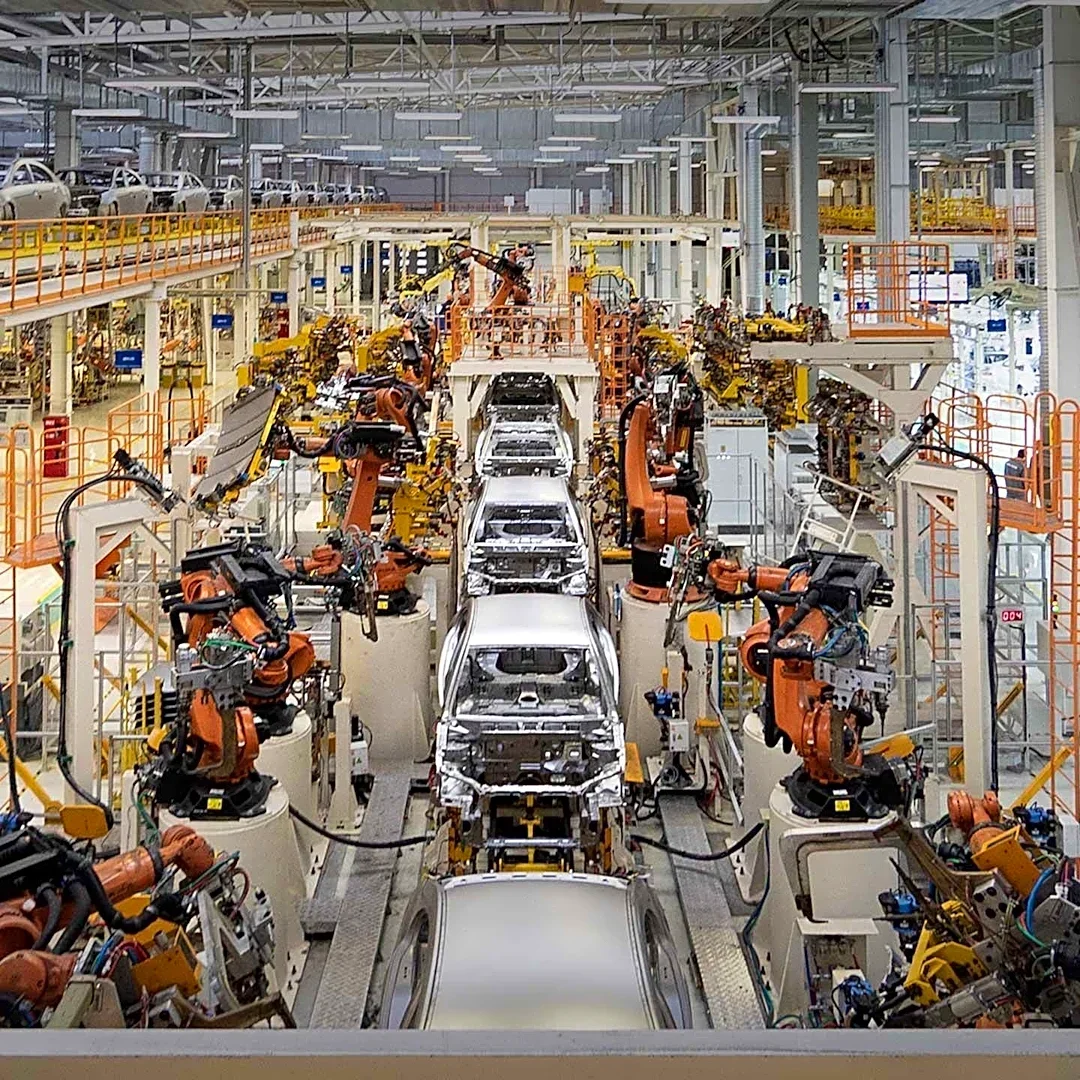
net cash flow margin of 12%. Medium-term ambitions are set between 10% to 15% for operating return on sales and 9% to 12% for net cash flow margin. The company is also targeting group revenue of 41 to 45 billion euros in the medium term. A core component of this strategy is a structural reduction in the break-even point to below 200,000 vehicles sold, which will be achieved through a combination of workforce reduction, decreased development costs, and a strategic shift towards higher-margin model segments. Porsche acknowledges that achieving the upper end of these targets is contingent on an improved macroeconomic, geopolitical, and regulatory environment.
Why It's Important?
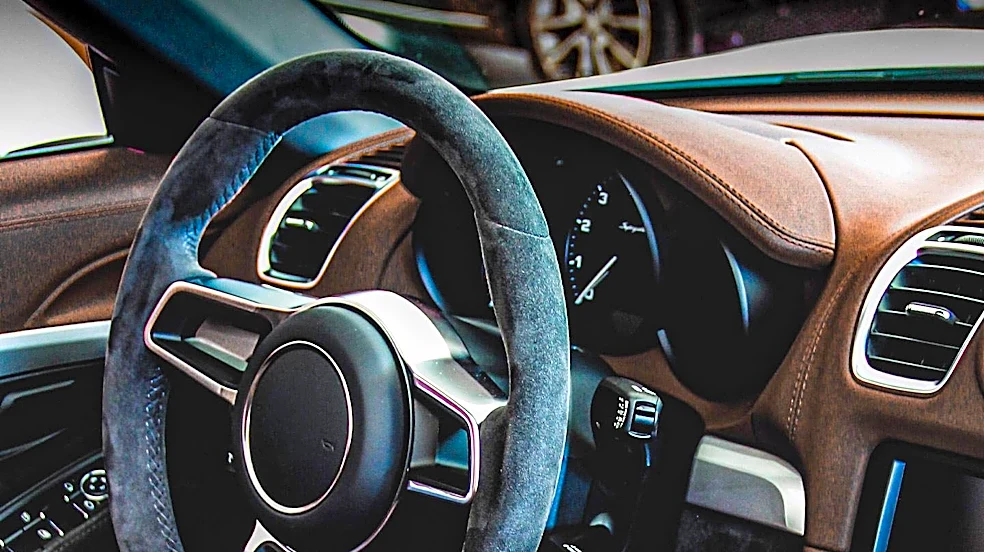
This strategic overhaul by Porsche AG is significant for the global automotive industry, particularly within the luxury segment. The plan's focus on reducing the break-even point and shifting towards higher-margin models reflects a broader trend among premium manufacturers to prioritize profitability over volume, a strategy long employed by ultra-luxury brands like Ferrari. This move could influence other high-end automakers to re-evaluate their own production and sales strategies in response to evolving market conditions. The targeted 40% reduction in management positions and a 25-30% cut in the overall workforce, alongside a 30% reduction in production personnel costs, indicates a substantial restructuring effort. This could set a precedent for how established automotive companies manage costs and optimize operations in a challenging economic landscape, potentially impacting employment trends and operational models across the sector. Furthermore, the emphasis on individualization through scaling its 'Sonderwunsch' bespoke program sixfold in revenue terms highlights a growing consumer demand for personalized luxury products, which could reshape marketing and product development strategies for premium brands.
What's Next?
Porsche AG is set to implement significant cost and workforce restructuring measures as part of its 'Sportwagenschmiede ’35' plan. This includes a workforce reduction of 9,000 jobs, which has already been agreed upon with employee representatives, alongside a commitment to job security for the core workforce through 2035. The company plans to reduce development costs for future model lines by up to 20% through shorter development cycles and increased use of modular processes. Sales and distribution costs are also targeted for a 20% reduction, partly by consolidating sales regions from five to four. Porsche Engineering and Porsche Digital will merge into a single entity, Porsche Technologies. In terms of product strategy, Porsche will reduce model variants by approximately 20% while increasing its presence in the higher-margin D and E segments. New products include an electric 718 Boxster and Cayman, expected by 2028, and a new B-segment SUV. Investors will closely monitor the execution of these complex programs, especially given the current pressures on premium automotive manufacturers, particularly in markets like China.
Beyond the Headlines
The 'Sportwagenschmiede ’35' strategy by Porsche AG signals a deeper shift in the luxury automotive sector, moving beyond traditional volume-driven models towards a more exclusive, margin-focused approach. This strategy, which includes a substantial workforce reduction and a focus on higher-margin segments, raises ethical considerations regarding job displacement and the social responsibility of large corporations during economic shifts. The plan's success hinges on its ability to navigate a challenging macroeconomic and geopolitical environment, particularly in key markets like China, where sales volumes have been under pressure. The emphasis on individualization and bespoke programs also reflects a cultural evolution in luxury consumption, where unique, personalized experiences are increasingly valued over mass-produced goods. This could lead to a redefinition of luxury itself, pushing brands to offer more tailored and exclusive products. The merger of Porsche Engineering and Porsche Digital into Porsche Technologies underscores the growing importance of technological integration and digital innovation in the automotive industry, suggesting a future where software and engineering are inextricably linked in vehicle development.