


What's Happening?
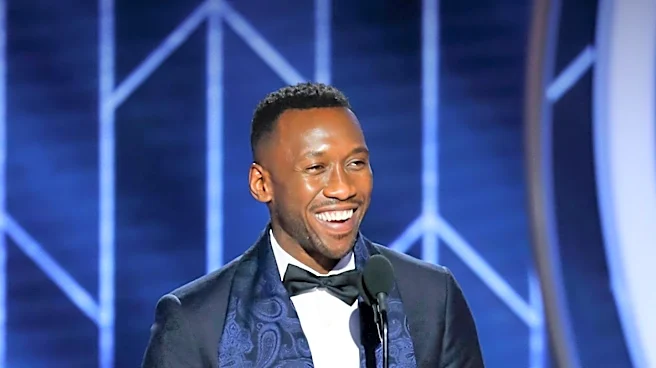
Actor Mahershala Ali, a two-time Academy Award winner for Best Supporting Actor in 'Moonlight' (2016) and 'Green Book' (2018), has spoken out about the scarcity of suitable roles available to him in Hollywood. During an interview on the '7PM in Brooklyn'
podcast with Carmelo Anthony and Kazeem Famuyide, Ali explained that despite his accolades, the 'vast majority of projects' that receive greenlights do not offer roles for him. He emphasized that the issue is not a lack of talented actors, but rather a shortage of quality material that 'check certain boxes' and align with his profile. Ali also suggested that the rollback of diversity, equity, and inclusion (DEI) funding and initiatives might contribute to what projects are being greenlit, leading to a continued centering of narratives around those already represented in decision-making offices. He noted that for actors, creating their own projects is an alternative, but it is a lengthy process, often taking five years.
Why It's Important?
Mahershala Ali's comments highlight a significant issue within the U.S. entertainment industry regarding diversity and opportunity, even for highly acclaimed actors. His experience suggests that systemic biases in project development and greenlighting processes can limit the range of roles available to actors from underrepresented groups, regardless of their talent or critical success. This situation impacts not only individual careers but also the broader landscape of storytelling, potentially leading to a less diverse and representative array of films and television shows. The discussion around DEI rollbacks further underscores concerns that progress made in promoting inclusivity could be eroding, affecting who gets to tell stories and whose stories get told. This could lead to a less equitable industry and a less reflective portrayal of society on screen, impacting audience engagement and cultural representation.
What's Next?
The ongoing conversation sparked by Mahershala Ali's remarks may prompt further discussion within Hollywood about the efficacy of DEI initiatives and the criteria used for greenlighting projects. Industry executives and studios might face increased pressure to re-evaluate their development pipelines and ensure a wider range of stories and roles are being created. Actors and creators from underrepresented communities may continue to advocate for more equitable opportunities, potentially leading to more independent productions or collaborations aimed at filling the void of diverse material. The impact of DEI rollbacks will likely remain a contentious point, with ongoing debates about their influence on industry practices and representation. This could also encourage more actors to pursue producing their own content as a means to control their narratives and create opportunities.
Beyond the Headlines
Ali's candidness delves into the deeper systemic issues within Hollywood that extend beyond individual talent or awards. It challenges the notion that merit alone guarantees equitable opportunities, particularly for actors of color. The implication is that the industry's power structures and decision-making bodies may still operate with inherent biases, consciously or unconsciously, that limit the scope of narratives and characters deemed commercially viable. This raises ethical questions about Hollywood's responsibility to reflect the diverse society it serves and whether current practices perpetuate a narrow worldview. The long-term shift could involve a more significant push for diverse representation in executive and creative roles, as well as a re-evaluation of how 'marketability' is defined, moving beyond traditional, often homogenous, benchmarks. It also highlights the emotional and professional toll on actors who, despite reaching the pinnacle of their craft, still face significant barriers.