


What's Happening?
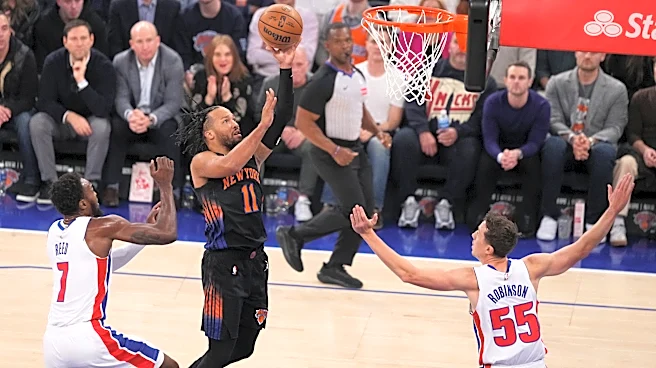
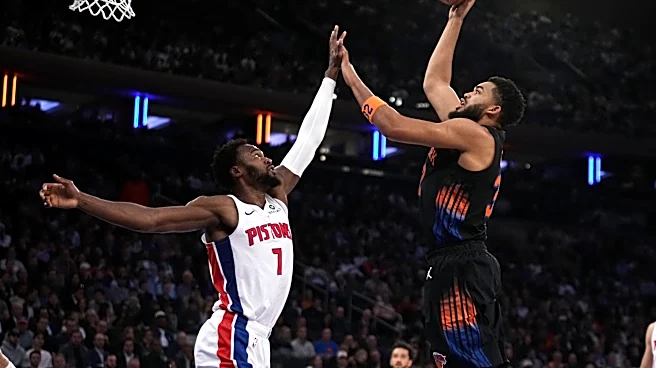
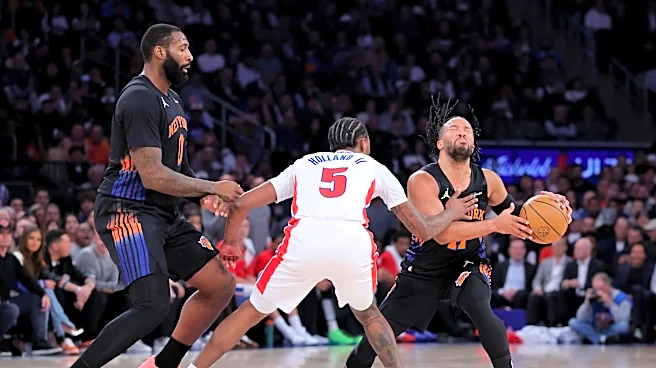
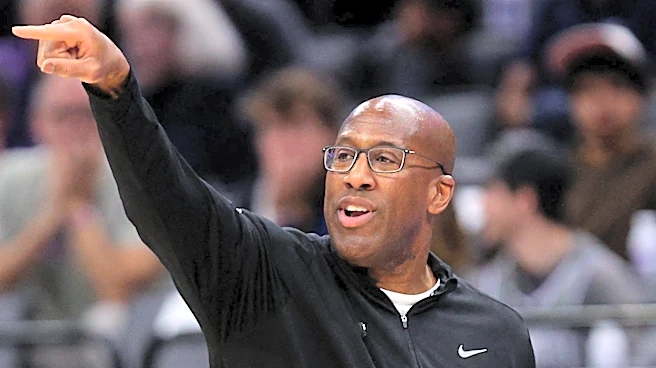
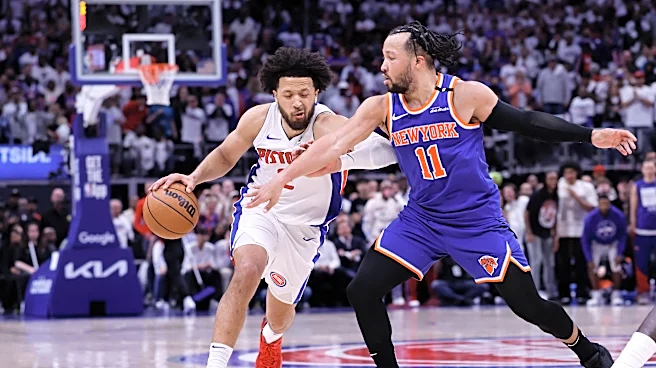
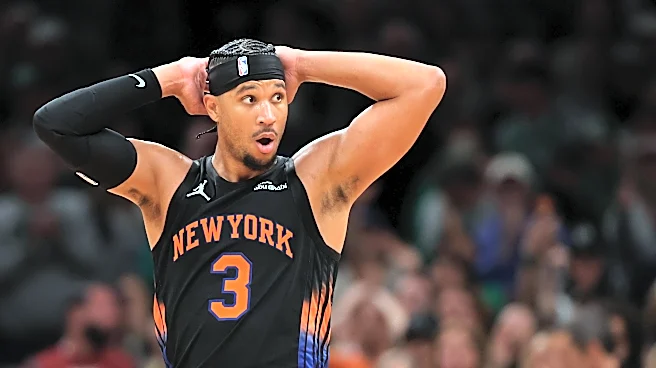
New York Knicks head coach Mike Brown is re-evaluating his team's rotation strategy following a challenging start to the 2026-27 NBA season. After an initial 0-3 record, the Knicks secured their first win against the Detroit Pistons. Brown had planned
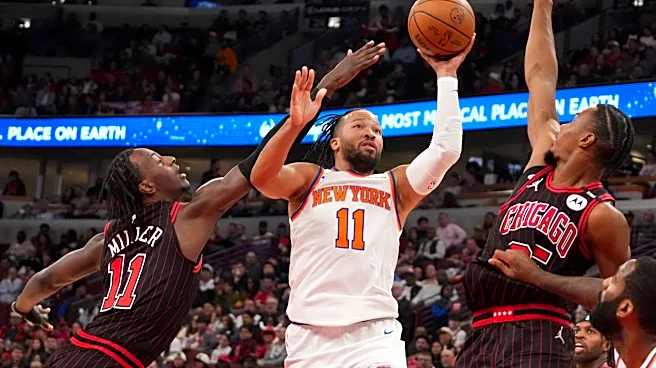
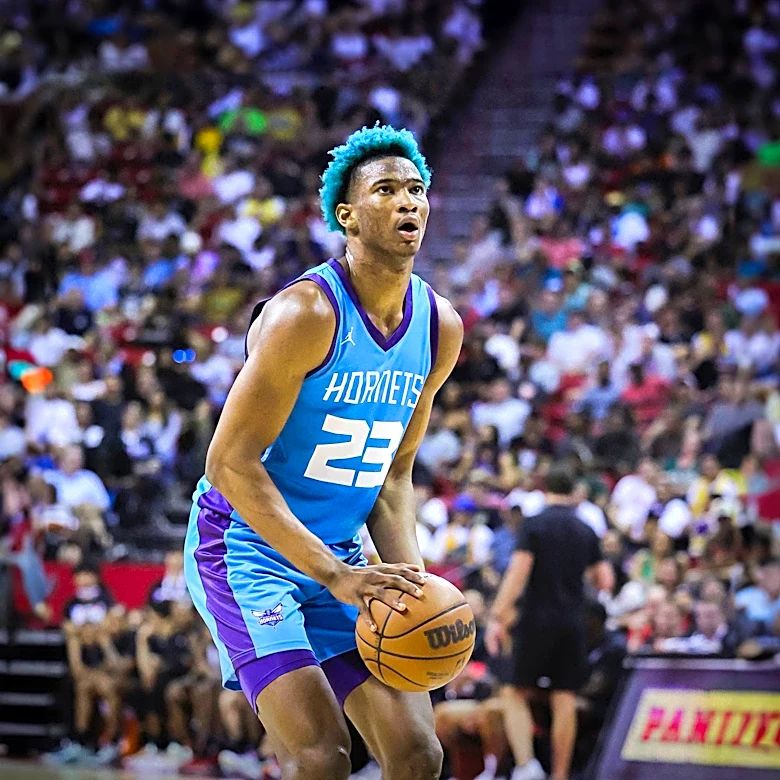
to experiment with a deeper rotation, including younger players like Mo Diawara and Pacôme Dadiet, but early struggles have led him to prioritize a veteran-heavy lineup to stabilize the team. He stated that the starting five is set, but the bench rotation remains fluid, with opportunities for different players until consistent performance is achieved. Brown also admitted that an early-season experiment involving playing Karl-Anthony Towns and Jalen Brunson together in two distinct stretches, which resulted in both stars being off the floor simultaneously, did not work as intended and will likely be discontinued. This adjustment reflects Brown's commitment to finding effective combinations to get the defending champions back on track.
Why It's Important?
This shift in strategy by Coach Brown is significant for the New York Knicks as it directly impacts player development and team chemistry. By temporarily sidelining younger players like Diawara and Dadiet, the team prioritizes immediate results and stability, which could delay the integration of future talent. For veteran players, this means increased playing time and pressure to perform consistently. The decision to abandon the dual-bench strategy for Towns and Brunson highlights the critical importance of having star power on the court at all times for offensive flow and leadership. This strategic pivot underscores the high stakes of early-season performance in the NBA, especially for a defending champion team expected to maintain a high level of play. The success of these adjustments will determine the Knicks' trajectory in a competitive league and influence how other teams approach their own roster management and in-game strategies.
What's Next?
Moving forward, Coach Brown will continue to experiment with his bench rotation, albeit with a more veteran-focused approach in the short term. He has indicated that younger players will get opportunities once the team finds more consistent success. The Knicks will need to quickly integrate new effective rotations to build momentum and climb the standings. Players like Mo Diawara, who signed a new contract but has seen limited playing time, will be waiting for their chance to prove their value. Brown's willingness to challenge players, as seen with Andre Drummond's brief benching and Karl-Anthony Towns' halftime challenge, suggests that performance and accountability will be key factors in who earns minutes. The team's upcoming games will be crucial in demonstrating whether these adjustments lead to improved performance and a more cohesive unit, as Brown seeks to refine his lineup for sustained success.
Beyond the Headlines
The Knicks' early-season adjustments under Coach Brown reveal a deeper philosophical tension between immediate competitive success and long-term player development. While Brown's priority is to win now, especially as a defending champion, the delayed integration of promising young talent could have implications for the team's future depth and salary cap management. The decision to bench players like Andre Drummond to send a message, similar to John Harbaugh's approach with Cam Skattebo, highlights a coaching philosophy that values accountability and adherence to team standards above individual status. This approach, while potentially effective for motivating players, also carries the risk of creating locker room unrest if not managed carefully. The ongoing fluidity of the bench rotation also speaks to the dynamic nature of NBA coaching, where strategies must constantly adapt to player performance, injuries, and opponent strengths, all while balancing the expectations of a championship-caliber franchise.