






What's Happening?
Mozart's Requiem, an unfinished work commissioned anonymously in 1791 and completed by his student Franz Xaver Süssmayr after Mozart's death at 35, continues to resonate deeply within popular culture, particularly in film. Its dramatic melodies and choral
sounds are frequently used to convey emotions ranging from terror and tragedy to mystery and transcendence on screen. Notable cinematic appearances include Miloš Forman’s 1984 film 'Amadeus,' which centered the Requiem in its depiction of Mozart’s final days, and 'The Big Lebowski,' where the 'Lacrimosa' accompanies a darkly comic sequence. The 'Dies irae' has also been featured in films like 'X2: X-Men United.' These uses highlight the Requiem's enduring power to evoke strong emotions and its pervasive presence in contemporary media, often without audiences knowing the piece by name.
Why It's Important?
The widespread use of Mozart's Requiem in cinema underscores the profound and lasting impact of classical music on modern storytelling. Its ability to instantly convey complex emotions like impending catastrophe, physical grief, and grandeur demonstrates its timeless relevance. This integration into popular films introduces classical music to new generations, bridging the gap between historical compositions and contemporary audiences. The Requiem's cinematic life also reinforces its cultural staying power, transforming it from a historical masterpiece into a dynamic element of modern artistic expression. The piece's dramatic history, including the mystery surrounding its commission and completion, adds to its allure, making it a compelling choice for filmmakers seeking to enhance narrative depth and emotional resonance.
Beyond the Headlines
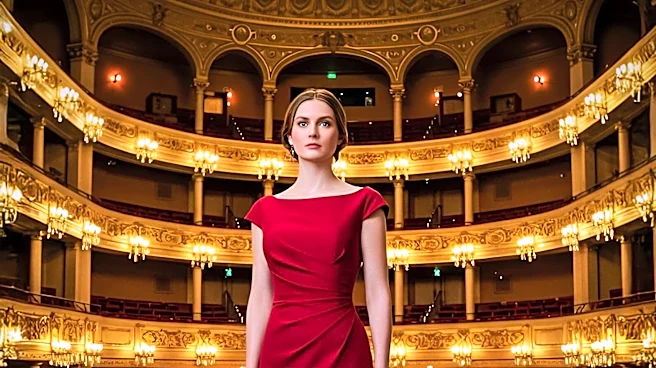
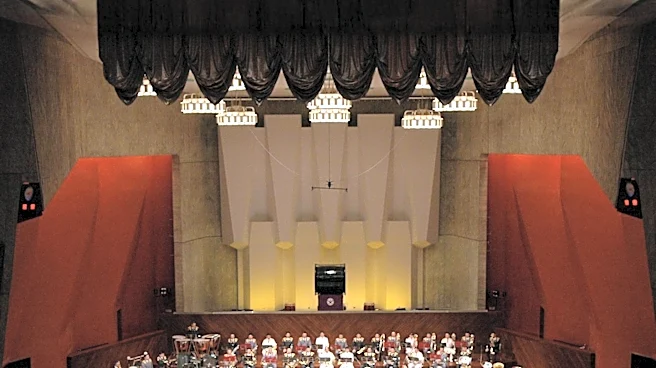
The phenomenon of Mozart's Requiem in film raises broader questions about the consumption and appreciation of classical music in the digital age. While cinematic exposure can popularize these works, it also risks reducing them to mere soundtracks, potentially overshadowing the experience of hearing them in a live concert setting. The article emphasizes that experiencing the Requiem in a renowned concert hall, with its intended surround sound and human voices filling a physical space, offers a unique and profound experience that cannot be replicated by film. This highlights a tension between passive consumption through media and active engagement with live performance, suggesting that while film can introduce, the true depth of classical music is best appreciated in its original context. The ongoing cultural dialogue between classical art forms and modern media continues to shape how audiences perceive and value artistic heritage.