









What's Happening?
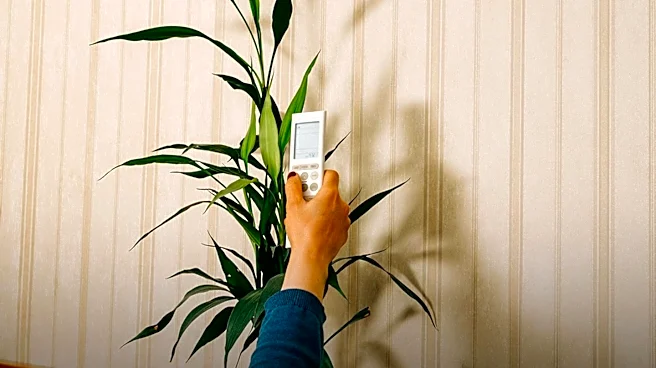
Experts have provided guidance on optimizing air conditioning use to balance energy efficiency and comfort. They suggest setting the thermostat a few degrees higher when away from home to save energy and reduce costs. This approach can prevent mold issues
in humid environments and reduce wear on AC units. The U.S. Department of Energy notes that adjusting the thermostat by 7-10 degrees for eight hours daily can save up to 10% annually on heating and cooling. The effectiveness of these strategies can vary based on climate, building insulation, and AC unit type. Smart thermostats are recommended for their ability to adjust settings automatically based on occupancy.
Why It's Important?
With rising energy costs and environmental concerns, optimizing air conditioning use is crucial for both financial savings and reducing carbon footprints. Implementing efficient AC strategies can significantly lower household energy consumption, contributing to broader efforts to combat climate change. For homeowners, these practices offer a practical way to manage utility bills while maintaining comfort. The advice also highlights the importance of considering local climate conditions and building characteristics when deciding on energy-saving measures. As energy efficiency becomes a priority, such strategies can play a vital role in sustainable living.
What's Next?
As awareness of energy efficiency grows, more homeowners may adopt smart thermostats and other technologies to optimize their AC use. This could lead to increased demand for energy-efficient appliances and home insulation improvements. Utility companies and government agencies might offer incentives or programs to encourage energy-saving practices. Additionally, ongoing research and innovation in HVAC technology could provide new solutions for reducing energy consumption and improving indoor air quality. Public education campaigns may also be launched to inform consumers about the benefits of efficient AC use and other energy-saving measures.
Beyond the Headlines
The focus on air conditioning efficiency reflects a broader trend towards sustainable living and environmental responsibility. It underscores the need for individuals to consider their energy consumption habits and their impact on the environment. This shift may also influence building codes and regulations, promoting the construction of more energy-efficient homes and commercial buildings. As climate change continues to affect weather patterns, the demand for effective cooling solutions will likely increase, driving further innovation in the HVAC industry.