







What's Happening?
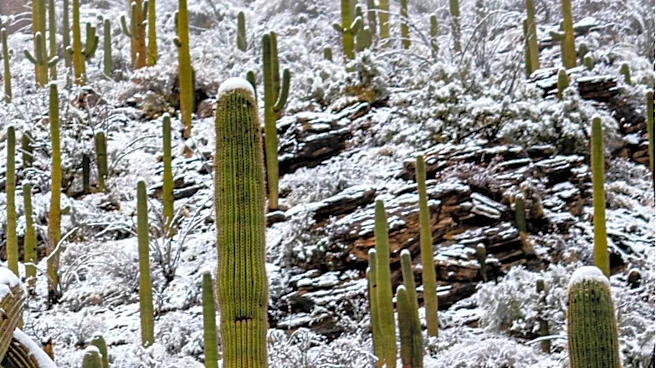
In 1979, Paul McCartney and his wife Linda acquired a secluded 151-acre ranch near Tucson, Arizona, establishing it as a private family retreat. This property, situated near the foothills of the Rincon Mountains, offered the McCartneys a rare sanctuary
from the intense public scrutiny that accompanied Paul's global fame as a member of The Beatles. The ranch featured a modest two-story home with a tin roof and stucco exterior, emphasizing privacy and peace over celebrity extravagance. It became a central location for family life, including ordinary trips into Tucson, holiday celebrations with friends and neighbors, and activities like horseback riding, hiking, and swimming. Linda McCartney's personal connection to Tucson, having studied at the University of Arizona and developed an affection for the desert landscape, further cemented the ranch's significance. The family's ability to engage in everyday activities without constant interference was a key aspect of the property's value to them. The ranch remained a vital part of their lives, even after Linda's death in 1998, which occurred at the property.
Why It's Important?
The establishment of Paul McCartney's Arizona ranch highlights the profound impact of celebrity on personal life and the lengths to which public figures go to maintain a semblance of normalcy. For a musician of McCartney's stature, the ranch provided an essential escape, allowing his family to prioritize private life over the demands of global stardom. This retreat underscores the psychological toll of constant public attention and the need for spaces where individuals can simply 'live' away from the spotlight. Linda McCartney's role in creating this haven, rooted in her personal affinity for the Arizona desert, emphasizes the importance of personal connections and preferences in shaping a celebrity's lifestyle choices. The ranch's enduring significance, even after Linda's passing, illustrates how certain places can become deeply intertwined with personal history, offering solace and continuity amidst profound loss. It also subtly critiques the relentless nature of celebrity culture, which often deprives public figures of basic privacy and anonymity.
What's Next?
The Arizona ranch continues to be a part of the McCartney family's legacy, with Paul McCartney still owning the property. While the immediate future of the ranch as an active family retreat isn't explicitly detailed, its historical role as a sanctuary suggests its continued importance as a private holding. Members of the McCartney family have reportedly been seen in the area, and Paul's son, James McCartney, has spoken fondly of the desert and his mother's attachment to it. This indicates that the family maintains a connection to the property and the region. The ranch will likely remain a symbol of the McCartneys' desire for privacy and a testament to Linda's influence on their family life, serving as a quiet reminder of a more personal side of one of the world's most famous musicians.
Beyond the Headlines
The story of Paul McCartney's Arizona ranch delves into the broader theme of identity beyond public persona. For someone as globally recognized as Paul McCartney, the ranch represented an attempt to reclaim a private identity, distinct from his public image as a Beatle. It highlights the tension between the extraordinary demands of celebrity and the universal human need for privacy, family, and a sense of 'normalcy.' The ranch also serves as a poignant reminder of Linda McCartney's influence, not just as his wife and musical collaborator, but as a grounding force who helped create a stable environment for their family. Her death at the ranch imbues the property with a deeper emotional resonance, transforming it into a site of both cherished memories and profound grief. This narrative offers a glimpse into the often-unseen struggles of public figures to balance their public and private lives, and the lasting impact of personal relationships on their well-being.