





What's Happening?
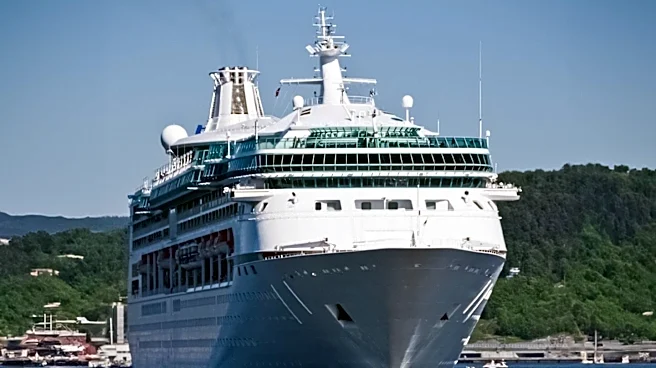
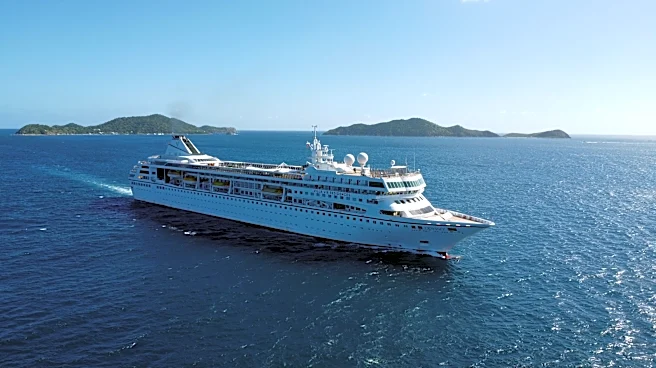
A U.S. cruise ship was forced to disembark 203 passengers due to escalating fuel costs, leading to the suspension of its planned three-year journey around the world. The incident, reported on October 29, 2026, highlights the significant impact of operational
expenses, particularly fuel prices, on the cruise industry. The decision to suspend the voyage and remove passengers underscores the financial pressures faced by cruise operators when confronted with unforeseen and substantial increases in key operating costs. The specific cruise line and the exact location of the disembarkation were not detailed in the report, but the event directly affected a large number of travelers who had embarked on a long-term global cruise.
Why It's Important?
This event is important because it illustrates the vulnerability of the cruise industry to volatile global energy markets. Rising fuel costs can directly impact the profitability and operational viability of cruise lines, potentially leading to itinerary changes, increased ticket prices, or, as seen in this case, the suspension of voyages. For consumers, it highlights the financial risks associated with long-term travel bookings, particularly those spanning multiple years, and the potential for unexpected disruptions. The disembarkation of over 200 passengers also has significant implications for customer satisfaction and trust in cruise operators. This incident could prompt a re-evaluation of fuel hedging strategies within the industry and potentially lead to new clauses in passenger contracts regarding voyage cancellations due to economic factors.
What's Next?
The immediate next steps for the affected passengers would involve arrangements for their return travel and potential compensation from the cruise operator. The cruise line involved will likely face scrutiny regarding its handling of the situation and its communication with passengers. In the broader industry, this incident could trigger a review of operational cost management and risk mitigation strategies, especially for extended voyages. Cruise lines might explore more robust fuel hedging mechanisms, implement dynamic pricing models that can adjust to fluctuating costs, or even redesign itineraries to optimize fuel consumption. Regulators and consumer protection agencies might also examine the terms and conditions under which such long-term voyages are offered, particularly concerning cancellations due to economic factors.
Beyond the Headlines
Beyond the immediate financial and logistical challenges, this incident touches upon the broader economic stability of the travel and tourism sector. It underscores how global geopolitical events or supply chain disruptions that affect energy prices can have direct and immediate consequences on consumer travel plans and industry operations. The concept of a 'three-year journey around the world' itself represents a significant commitment for both passengers and operators, and its suspension due to fuel costs highlights the delicate balance between ambitious travel offerings and economic realities. This event could also lead to increased demand for travel insurance that specifically covers cancellations due to unforeseen operational costs, shifting some of the financial risk from operators to insurers and consumers.