




What's Happening?
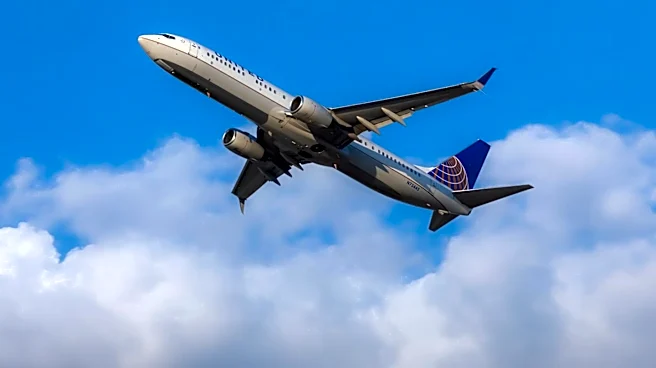
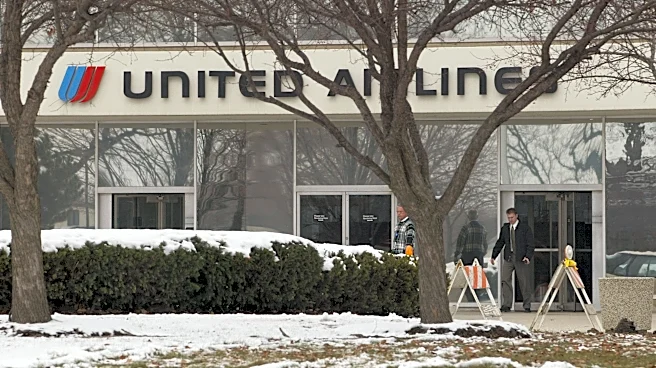
United Airlines CEO Scott Kirby, in a Thanksgiving message to employees, expressed his conviction that United is the best airline globally and anticipates its lead over rivals will expand. The message, delivered in a video filmed at San Francisco International
Airport, thanked employees working during the holiday period. Kirby highlighted positive customer feedback regarding employee interactions, citing instances where staff made travel easier or provided special assistance. He emphasized that these individual employee efforts contribute significantly to customer loyalty and overall passenger experience. While acknowledging the airline's current strengths, Kirby also noted that the consistency of the onboard product across United's fleet still varies, with newer aircraft offering a different experience compared to older models. The CEO's remarks underscore a strategic focus on employee performance and customer service as key differentiators in the competitive airline industry.
Why It's Important?
Kirby's assertion about United's growing lead has significant implications for the U.S. airline industry. Such a declaration from a major airline CEO can influence investor confidence, competitive strategies among other carriers like American and Delta, and potentially impact consumer choices. If United successfully widens its lead, it could lead to increased market share, greater profitability, and potentially set new industry standards for customer service and operational efficiency. For consumers, a more dominant United could mean a more consistent and improved travel experience, particularly if the airline addresses the variability in its onboard product. Conversely, rival airlines might intensify their efforts to innovate and improve their services to counter United's perceived advantage, potentially benefiting the entire sector through heightened competition and better offerings for travelers. The emphasis on employee contributions also highlights the critical role of labor in the service industry, suggesting that airlines recognizing and empowering their workforce may gain a competitive edge.
What's Next?
Following CEO Kirby's Thanksgiving message, United Airlines is likely to continue its focus on enhancing customer experience and operational consistency. The airline may invest further in fleet modernization to standardize its onboard product, ensuring a more uniform and positive experience across all flights. Competitors will likely monitor United's progress closely, potentially adjusting their own strategies in areas such as customer service training, fleet upgrades, and route expansion to maintain their market positions. For employees, Kirby's message could serve as a morale booster, reinforcing the importance of their roles in the airline's success. Future communications from United's leadership may elaborate on specific initiatives aimed at achieving the predicted 'growing lead,' which could include technological advancements, service enhancements, or new partnership announcements. The broader aviation industry will be watching to see if United's ambitious predictions translate into tangible market shifts and sustained competitive advantage.
Beyond the Headlines
The deeper implications of Kirby's message extend beyond immediate market competition, touching upon the evolving nature of customer loyalty in the travel sector. In an industry often characterized by price sensitivity and operational disruptions, the emphasis on individual employee interactions as a key driver of customer satisfaction suggests a shift towards valuing human elements over purely transactional ones. This approach could foster a more service-oriented culture across the airline industry, where empathy and personalized assistance become as crucial as punctuality and amenities. Furthermore, Kirby's confidence in United's trajectory, despite ongoing challenges like the staffing crisis in aviation, reflects a strategic long-term vision that prioritizes internal strengths and employee engagement. This could set a precedent for how major corporations navigate complex operational environments, by leveraging their human capital as a primary source of competitive advantage and resilience. The message also subtly underscores the psychological aspect of brand perception, where a CEO's public confidence can significantly shape both internal morale and external market perception.