

What's Happening?
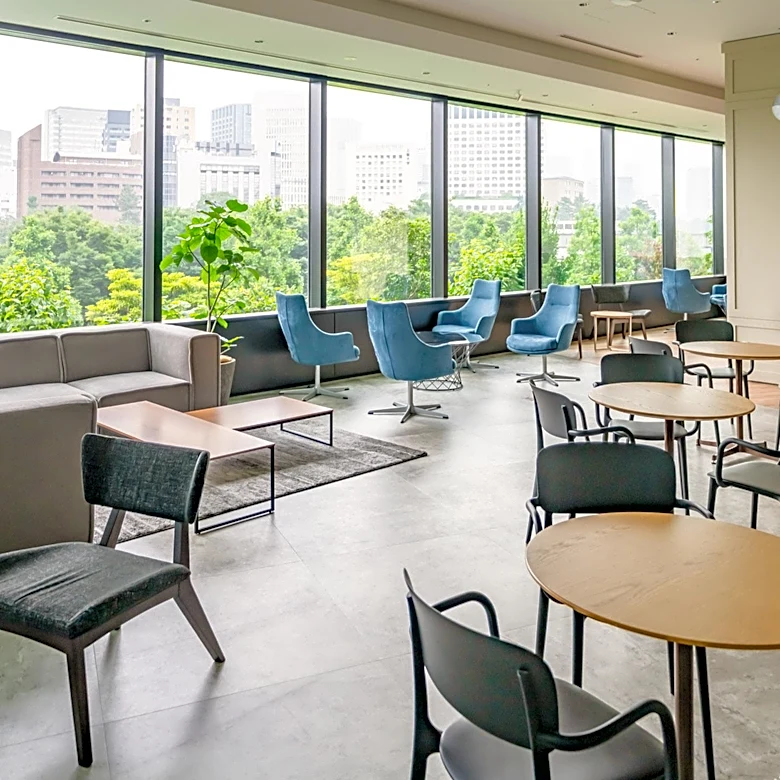
Vietnam's urban centers are experiencing a rise in 'tổ hợp,' creative hubs that repurpose old factories, collective housing blocks, and other existing structures into vibrant spaces for art, fashion, food, and culture. These 'tổ hợp' serve as 'Third Places'
where urbanites, including locals, expats, and Việt Kiều (overseas Vietnamese), can gather, socialize, and participate in various communities outside of their homes and workplaces. Examples include Complex 01 in Hanoi, a former printing factory site now hosting retail, food, education, and cultural events, and OBJoff in Ho Chi Minh City, a fashion and community hub for Vietnamese designers. These spaces often emerge organically within existing neighborhoods, offering an attainable way for young entrepreneurs to enter the market by working with existing architecture rather than building new commercial developments.
Why It's Important?
The emergence of 'tổ hợp' is significant for Vietnam's urban development and cultural landscape. These creative hubs provide crucial spaces for community building and cultural exchange, bridging gaps between different social groups, including locals and expats. They foster a sense of belonging and offer platforms for emerging artists, designers, and entrepreneurs, contributing to the local economy and creative industries. By repurposing existing infrastructure, 'tổ hợp' also represent a sustainable approach to urban revitalization, preserving historical elements while injecting new life into old neighborhoods. This trend reflects a growing desire for authentic, community-oriented experiences that contrast with conventional commercial malls, offering unique social and economic opportunities.
What's Next?
The 'tổ hợp' movement is expected to continue evolving and expanding in Vietnamese cities. As urban populations grow and seek more diverse social and cultural outlets, these creative hubs will likely become even more integral to city life. Future developments may see more innovative repurposing of historical buildings and a greater emphasis on collaborative ventures between local and international creatives. The success of these spaces could also influence urban planning policies, encouraging more adaptive reuse projects and supporting community-led initiatives. The ongoing challenge will be to maintain the authentic, community-driven spirit of 'tổ hợp' as they gain popularity and potentially attract larger commercial interests.
Beyond the Headlines
Beyond their immediate economic and social benefits, 'tổ hợp' represent a fascinating cultural phenomenon. They challenge traditional notions of urban space by transforming 'non-places'—areas typically devoid of local history or personal identity—into vibrant centers of community and creativity. This adaptive reuse reflects a broader cultural shift towards valuing heritage and sustainability, offering a counter-narrative to rapid modernization and the proliferation of generic commercial spaces. The ability of 'tổ hợp' to bring together diverse groups, softening the 'expat bubble' and fostering shared experiences, highlights their role in promoting social cohesion and cross-cultural understanding in a rapidly globalizing world. They embody a unique blend of nostalgia for the past and forward-looking innovation.