







What's Happening?
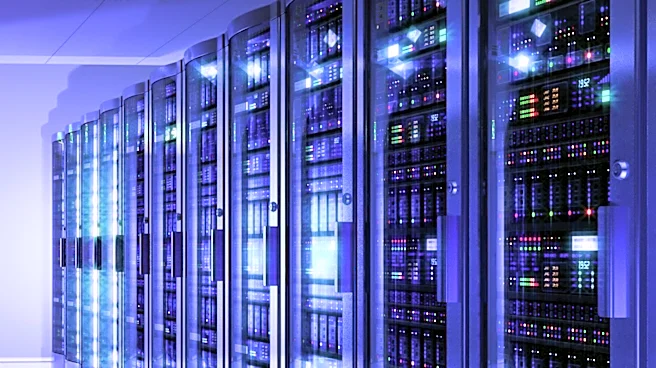
The expansion of AI data centers in Texas and Wyoming is raising environmental concerns due to their proximity to the Ogallala Aquifer, a crucial groundwater resource for U.S. agriculture. Several proposed and under-construction AI facilities are located
above or near this aquifer, which is already under stress from agricultural withdrawals. The aquifer supports about 30% of U.S. groundwater irrigation and is vital for one-fifth of American agricultural production. Local governments in Texas and Wyoming are facing pressure to balance the economic benefits of AI infrastructure with the long-term sustainability of water resources. Some data centers are adopting lower-water cooling technologies, but the cumulative impact of multiple facilities remains a concern.
Why It's Important?
The development of AI data centers in regions dependent on the Ogallala Aquifer could have significant implications for water availability and agricultural sustainability. As these facilities require substantial water for cooling, their presence could exacerbate existing water shortages, affecting local agriculture and potentially leading to higher food prices. The situation highlights the need for careful consideration of water management and cooling technologies in data center planning. The economic benefits of AI infrastructure must be weighed against the potential for long-term depletion of a critical water resource, which could have far-reaching effects on U.S. agriculture and rural economies.
What's Next?
Local communities and officials are increasingly scrutinizing the water use of proposed data centers, demanding transparency in water sourcing and cooling technologies. Decisions made by developers, regulators, and local governments will be crucial in determining the long-term impact on the Ogallala Aquifer. Potential outcomes include permanent loss of irrigation capacity, shifts in crop production, and increased water costs. The debate is shifting towards sustainable development practices that balance economic growth with resource conservation. The future of these data centers will depend on the adoption of water-efficient technologies and effective regulatory frameworks.
Beyond the Headlines
The situation underscores a broader challenge of balancing technological advancement with environmental sustainability. The reliance on water-intensive cooling systems in AI data centers highlights the need for innovation in cooling technologies. The issue also raises ethical questions about resource allocation and the responsibility of tech companies to minimize their environmental footprint. As AI infrastructure continues to expand, the industry must address these challenges to ensure that technological progress does not come at the expense of critical natural resources.