







What's Happening?
Utah Governor Spencer Cox recently addressed the Intermountain Critical Minerals Summit in Salt Lake City, reiterating his call to 'We must build' in the context of critical minerals infrastructure. He emphasized that a modern electrical grid, advanced
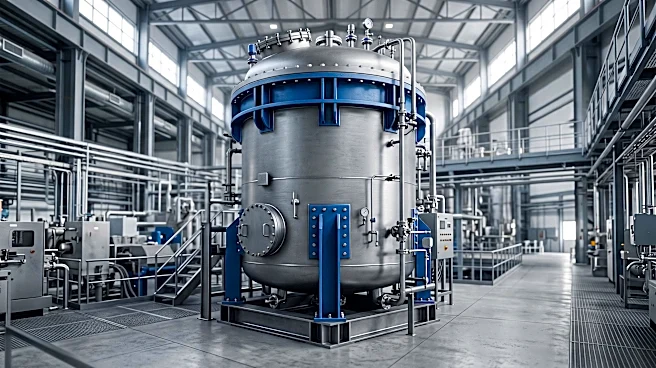
aerospace manufacturing, and a resilient domestic economy, along with national security, depend on these minerals. Since his State of the State address on January 23, 2025, where he first issued this challenge, Utah has actively pursued this goal. Governor Cox launched the 'Mission Critical' initiative in January 2026, aiming to position Utah as the leading U.S. destination for critical mineral mining and processing. This initiative includes the establishment of the nation's first Critical Minerals Council and a partnership with the University of Utah to create the MIND Center, intended to become a federally recognized critical minerals processing testbed. Additionally, Senate Bill 254, enacted in May, prioritizes permits for critical minerals projects.
Why It's Important?
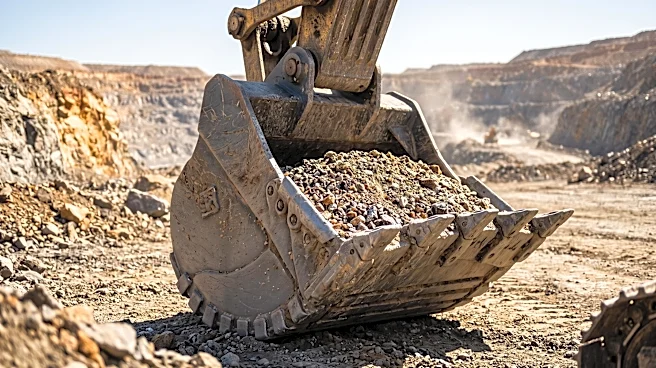
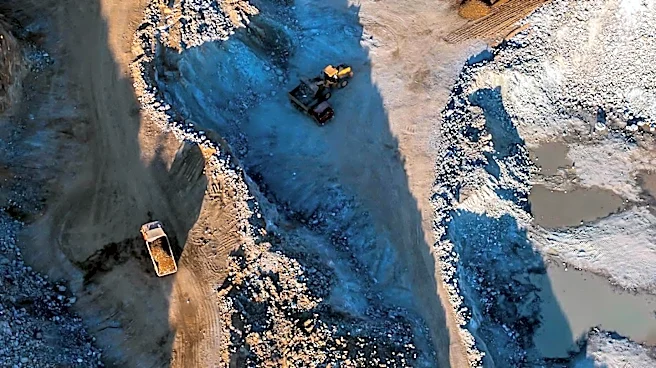
The push for critical minerals independence in Utah is crucial for U.S. national security and economic resilience. Governor Cox highlighted that the nation's reliance on foreign competitors and geopolitical adversaries for extraction and processing creates vulnerabilities, citing China's significant control over global production of minerals like germanium, gallium, and graphite. Utah, which produces 10 of the 60 minerals on the 2025 federal critical minerals list and is the sole domestic producer of beryllium, magnesium metal, and potassium sulfate, is strategically positioned to reduce this dependency. By developing a robust domestic supply chain, the U.S. can secure essential materials for defense, technology, and manufacturing, mitigating risks associated with international supply chain disruptions and export bans. This initiative also aims to create economic opportunities within Utah, fostering growth in its mining industry, which already produced $5 billion last year.
What's Next?
Utah's 'Mission Critical' initiative has set ambitious goals for the coming years. The state aims to supply a quarter of domestic critical mineral demand, process at least half of its extracted minerals within Utah, and reduce permitting delays to under 18 months. The plan also includes approving five critical minerals projects within 18 months and establishing a research center that could evolve into a federally recognized U.S. Critical Minerals National Laboratory. Governor Cox has stressed the importance of achieving these goals while maintaining high environmental standards, stating that faster progress does not necessitate lowering protective measures for air, water, and communities. The success of these efforts will depend on continued collaboration between state regulators, industry executives, and university researchers, as well as navigating environmental concerns raised by critics regarding mining's impact on resources like the Great Salt Lake.
Beyond the Headlines
The drive for critical minerals independence in Utah carries broader implications beyond immediate economic and national security benefits. It underscores a significant shift in U.S. industrial policy, moving towards reshoring and strengthening domestic supply chains for strategic resources. This initiative could set a precedent for other states to develop their own critical mineral capabilities, fostering a more decentralized and resilient national resource base. However, it also brings to the forefront the ongoing tension between industrial development and environmental protection. The concerns raised by environmentalists regarding water usage and potential pollution, particularly in relation to the Great Salt Lake, highlight the need for innovative and sustainable mining practices. The success of Utah's approach could demonstrate whether it is possible to achieve industrial growth and national security objectives while simultaneously safeguarding natural resources and addressing environmental impacts effectively.