





What's Happening?
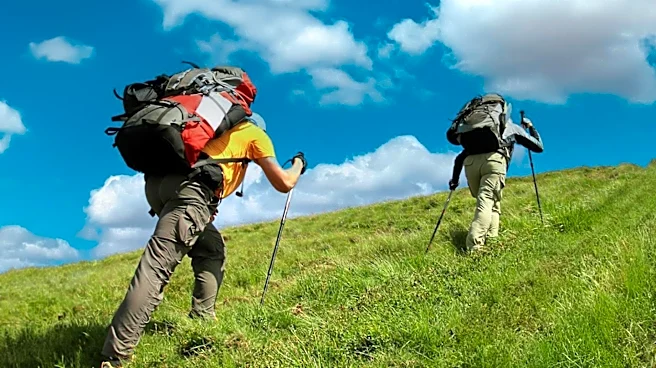
REI is actively promoting backpacking as a recreational activity by offering 'backpacking basics' classes and gear rentals. This initiative aims to make backpacking more accessible to a wider audience, including those who may be new to the activity or do
not own the necessary equipment. The classes are designed to educate individuals on fundamental backpacking skills, while the gear rental program provides an affordable alternative to purchasing expensive equipment outright. This approach by REI seeks to lower the barriers to entry for outdoor enthusiasts, encouraging participation in activities like hiking and backcountry exploration. The company's efforts align with a broader trend of increasing interest in outdoor recreation and sustainable tourism.
Why It's Important?
REI's program is significant for several reasons. Firstly, it democratizes access to outdoor activities, particularly backpacking, which can often be cost-prohibitive due to the specialized gear required. By offering rentals and educational classes, REI is enabling more individuals to experience nature and engage in physical activity, potentially improving public health and well-being. Secondly, this initiative could foster a greater appreciation for environmental conservation by connecting more people with natural landscapes. As more individuals participate in backpacking, there's a potential for increased advocacy for the protection of wilderness areas. Lastly, for the outdoor retail industry, this strategy could cultivate new customers and expand the market for outdoor gear and services in the long term, as rental users may eventually become purchasers.
What's Next?
It is anticipated that REI will continue to expand its 'backpacking basics' classes and gear rental services, potentially introducing more advanced courses or specialized equipment for rent. Other outdoor retailers might follow suit, recognizing the potential for market growth and customer engagement through similar initiatives. This could lead to a more competitive landscape in outdoor gear rentals and educational programs. Furthermore, as more people gain access to backpacking through these programs, there might be an increased demand for well-maintained trails and wilderness areas, potentially influencing public land management policies and funding for outdoor infrastructure. The success of these programs could also inspire similar initiatives in other niche outdoor activities.
Beyond the Headlines
Beyond the immediate benefits of accessibility and education, REI's program touches upon deeper societal trends. It reflects a growing desire for experiential travel and a reconnection with nature in an increasingly digital world. The emphasis on renting rather than owning also aligns with broader sustainability movements, promoting a more circular economy and reducing consumer waste. This shift in consumer behavior could have long-term implications for how goods are produced, consumed, and disposed of in the outdoor industry and beyond. Moreover, by fostering a sense of community among backpackers through shared learning experiences, REI is contributing to the social fabric of outdoor culture, potentially leading to stronger advocacy groups for environmental protection and responsible outdoor recreation.